Cuban Gar Facts For Kids
The Cuban gar is a large, predatory freshwater fish native to Cuba, recognizable by its elongated body and distinctively sharp teeth.
Select reading age
Cuban Gar Facts For Kids
Videos & Quizzesincluded
About this topic
The Cuban gar is a cool fish found in the waters of Cuba and parts of the Bahamas. 🌊It is known for its long, slender body and sharp teeth! This fish is part of a family called "gars," which have been around for about 100 million years! 🎣These fish love to roam in freshwater habitats, especially in slow-moving rivers, lakes, and swamps. The Cuban gar can grow up to 4 feet long, making it quite impressive! These predatory fish play an important role in their ecosystems by keeping fish populations balanced. 🌟
Explore with ChatDinoKey Points
The Cuban gar is currently listed as "Vulnerable" due to habitat loss and overfishing.
Did you know that Cuban gars have been around since the age of dinosaurs?
In Cuban culture, the Cuban gar is important to many fishermen!
Cuban gars are carnivores, meaning they love to eat meat!
Catching Cuban gars can be a thrilling experience!
Cuban gars live in the warm, tropical waters of Cuba and the nearby Bahamas.
Cuban gars have a unique and striking appearance!
Cuban gars typically spawn in the warmer months, which is usually between May and August.
Like many fish, Cuban gars can face health issues.
Photos of Cuban Gar

Cuban Gar — photo 1

🌍 Conservation Status
The Cuban gar is currently listed as "Vulnerable" due to habitat loss and overfishing. 🌍Pollution and the destruction of wetlands make it hard for them to find safe homes and food. Conservation efforts are being made to protect Cuban gar habitats and promote sustainable fishing. You can help too by learning about protecting local environments and telling others! Awareness is key to saving these amazing fish for future generations! 🛑
Go deeper🦕 Fun Facts And Myths
Did you know that Cuban gars have been around since the age of dinosaurs? 🦕They are like living fossils! Some people believe that if you see a Cuban gar, it brings good luck to fishers. 🍀Another fun fact is that they can hold their breath for up to 2 hours, thanks to their special swim bladder! 🏊Their unique appearance has made them part of local legends, with some saying they can bring messages from the water. Isn’t that cool? These fish are truly fascinating! 🌟
Go deeper🎣 Cultural Significance
In Cuban culture, the Cuban gar is important to many fishermen! 🎣They respect this fish not only for its beauty but also for the challenge it brings when catching. In some communities, catching a gar is considered a fun sport! People also enjoy cooking them, preparing traditional dishes. Additionally, the Cuban gar represents the richness of Cuban aquatic life and the need to protect it. 🌺This fish plays a significant role in local folklore, symbolizing strength and resilience.
Go deeper🍽️ Diet And Feeding Habits
Cuban gars are carnivores, meaning they love to eat meat! 🍽️ They mainly feast on smaller fish and crustaceans found in their habitats. Cuban gars are very clever hunters; they often lie in wait for prey, and when their dinner comes close, they strike fast with their sharp teeth. 🦈Sometimes, they'll even ambush catfish and minnows swimming by! Their ability to gulp air helps them stay near the surface while they hunt. The combination of stealth and speed makes them great at finding food! 👀
Go deeper🎉 Fishing And Aquaculture
Catching Cuban gars can be a thrilling experience! 🎉Fishermen often use specialized tools and gear to target these fish. Anglers sometimes catch them for sport and fun! However, it's essential for fishermen to follow local rules to help maintain their populations. 🧑🌾 Aquaculture, which means farming fish, can also help provide a sustainable way to enjoy Cuban gars without harming their natural habitats. Responsible farming and fishing practices are super important to keeping these fish safe! 🌿
Go deeper🌴 Habitat And Distribution
Cuban gars live in the warm, tropical waters of Cuba and the nearby Bahamas. 🌴They usually make their homes in brackish waters, which are a mix of fresh and saltwater. You can often find them in slow-moving rivers, ponds, and wetlands where they can hide among plants and roots. These habitats are important because they provide food and safety from other larger fish. In Cuba, places like the Zapata Swamp are perfect homes for Cuban gars! 🐟
Go deeper🐠 Physical Characteristics
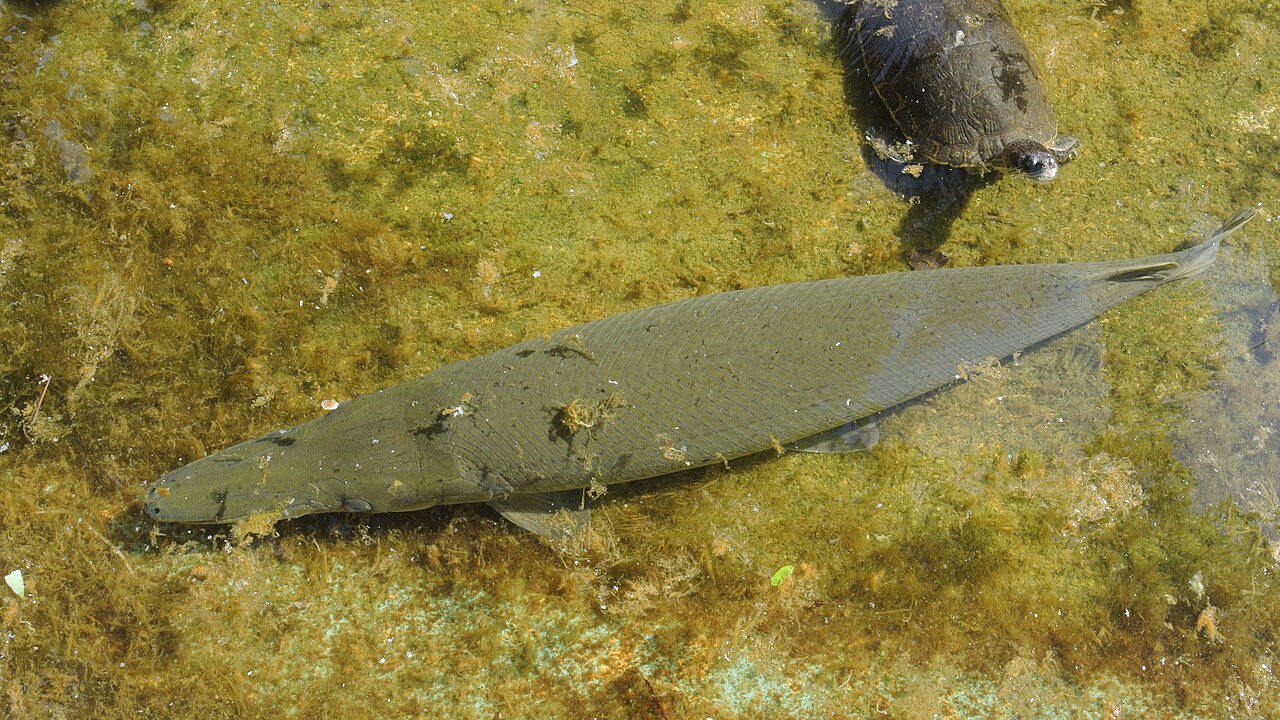
Cuban gars have a unique and striking appearance! They have long, skinny bodies that can reach lengths of up to 4 feet. 🐠Their teeth are sharp, helping them catch slippery fish. Their scales are shiny and are usually greenish or brown with a beautiful pattern. This helps them blend into their surroundings. 🥇Gars also have a long snout, which gives them a cool look! They have a swim bladder that allows them to breathe air, enabling them to live in low-oxygen waters. 🌬️
Go deeper🌞 Reproduction And Lifecycle
Cuban gars typically spawn in the warmer months, which is usually between May and August. 🌞Female Cuban gars lay lots of eggs in shallow water, often among aquatic plants. The male fertilizes these eggs, and soon baby Cuban gars hatch! 🐣The young fish stay close to their protective environments as they grow. They will mature into adult fish in about 2 to 3 years. By then, they can be nearly as long as a full-sized human! Growing up takes time and lots of yummy food! 🍭
Go deeper😷 Common Diseases And Health Issues
Like many fish, Cuban gars can face health issues. 😷They may suffer from parasites, which can make them sick. Regular checks and clean water are vital to keeping them healthy. Fish in aquariums or fish farms can also have diseases that spread easily, so good care and hygiene are key to their well-being. 🌊Keeping their environment clean helps minimize diseases and allows Cuban gars to thrive happily!
Go deeper