Crucian Carp Facts For Kids
The crucian carp is a medium-sized freshwater fish known for its adaptability and golden-yellow to greenish body.
Select reading age

Crucian Carp Facts For Kids
Videos & Quizzesincluded
About this topic
The crucian carp 🐟 is a cool fish that lives in freshwater lakes, rivers, and ponds! These fish are often found in Europe and Asia, especially in countries like Germany, France, and China. They're known for their golden or bronze color, which makes them look beautiful as they swim. Crucian carp can grow up to 18 inches long and weigh around 4.4 pounds. They like to be in slow-moving waters with plenty of plants. Let’s dive deeper into the fascinating world of crucian carp!
Explore with ChatDinoKey Points
The International Union for Conservation of Nature (IUCN) lists crucian carp as "Least Concern."
Did you know crucian carp have been part of human culture for centuries?
Crucian carp play a big role in freshwater ecosystems!
Crucian carp are omnivores, which means they eat both plants and animals!
Crucian carp love to live in freshwater areas like lakes, ponds, and marshes!
Crucian carp have a distinctive shape that is both sleek and strong.
Crucian carp are important to people for many reasons!
Crucian carp reproduce in spring when the water gets warmer!
Crucian carp belong to the family Cyprinidae, which is a large family of freshwater fish!
Crucian carp are mostly solitary fish but can also be found in small groups.
Photos of Crucian Carp

Crucian Carp — photo 1

Crucian Carp — photo 2
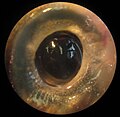
Crucian Carp — photo 3

Crucian Carp — photo 4

Crucian Carp — photo 5

Prussian carp Carassius gibelio as comparison
🌱 Conservation Status
The International Union for Conservation of Nature (IUCN) lists crucian carp as "Least Concern." 🌱 This means they are not currently in danger of extinction! However, habitat loss and pollution can threaten their populations. It’s essential to keep their habitats clean and healthy so that future generations can enjoy them! Organizations worldwide are working to protect freshwater habitats and ensure these fish continue to thrive.
Go deeper🎉 Cultural Significance
Did you know crucian carp have been part of human culture for centuries? 🎉In some parts of Europe, they are a symbol of good fortune and are often used in festive dishes during holidays! In China, they are admired in aquariums and are often featured in art due to their beauty and resilience. Also, they are popular among fishermen because they are relatively easy to catch, making them a fun target for anglers enjoying the outdoors!
Go deeper🌍 Ecological Importance
Crucian carp play a big role in freshwater ecosystems! 🌍They help keep the water clean by eating algae and detritus, which is dead organic material. This keeps water healthy for other creatures. Their feeding habits also help distribute nutrients in the mud and plants of their habitat. Plus, they serve as food for bigger fish, birds, and other wildlife! By supporting the food web, crucian carp help maintain the balance of their environment.
Go deeper🌱 Diet And Feeding Habits
Crucian carp are omnivores, which means they eat both plants and animals! 🌱🐌 They nibble on insects, worms, and small crustaceans, but they also love to munch on algae and water plants. They often feed near the water's surface, and sometimes they even stir up the mud at the bottom to find tasty treats! Their strong jaws help them crush hard food, making them quite the little foragers in their watery homes!
Go deeper🌊 Habitat And Distribution
Crucian carp love to live in freshwater areas like lakes, ponds, and marshes! 🌊They are usually found in shallow waters where there are lots of plants and hiding spots. You can find them in countries such as Sweden, Poland, and the United Kingdom. They prefer calm and warm waters with temperatures around 60-75°F (15-24°C). In some places, they are introduced into waters for fishing fun! These fish can tolerate rough conditions, like low oxygen levels, and that helps them thrive in many areas.
Go deeper🐠 Physical Characteristics
Crucian carp have a distinctive shape that is both sleek and strong. 🐠They usually have a golden, bronze, or greenish hue, which helps them blend in with their watery homes. These fish have a rounded body and a forked tail. Their fins are short and set higher on their bodies compared to other fish. Crucian carp also have large scales that can make them glisten in the sunlight! Fun fact: their color can change depending on their environment!
Go deeper🎣 Human Interaction And Use
Crucian carp are important to people for many reasons! 🎣They are often caught for food and sport, enjoyed by anglers in lakes and rivers. They are also popular in aquaculture, which is the farming of fish. People raise crucian carp for consumption and as pets! Being hardy, they are easy to care for in backyard ponds. By learning about and interacting with crucian carp, we can appreciate the amazing nature around us!
Go deeper🌞 Reproduction And Life Cycle
Crucian carp reproduce in spring when the water gets warmer! 🌞They lay thousands of eggs in shallow waters, often among plants. The female can lay up to 300,000 eggs at a time! The eggs hatch within a few days, and baby carp, called fry, emerge. They grow quickly, reaching about 4-5 inches in their first year. Crucian carp can live for over ten years, and they achieve maturity in about 2-3 years. Isn't nature amazing?
Go deeper🎣 Taxonomy And Classification
Crucian carp belong to the family Cyprinidae, which is a large family of freshwater fish! 🎣The scientific name for the crucian carp is *Carassius carassius*. This means it has many relatives! Some of these relatives include the common carp and the goldfish. The crucian carp is unique because it can survive in low-oxygen environments, which many other fish can’t! Scientists study these fish to learn about their classification and how they fit into the family tree of fish!
Go deeper🌊 Behavior And Social Structure
Crucian carp are mostly solitary fish but can also be found in small groups. 🌊They love to explore their surroundings and are often seen foraging for food. When startled, they can quickly dart away. They are known to be more active during the early morning and late evening. Crucian carp can recognize one another, forming simple social bonds. They have different ways of communicating, too, like swimming close together or making subtle movements to signal each other!
Go deeper