Crassulaceae Facts For Kids
The Crassulaceae family, known as the stonecrop family, consists of diverse flowering plants with succulent leaves and a unique method of photosynthesis that helps them survive in dry environments.
Select reading age
Crassulaceae Facts For Kids
Videos & Quizzesincluded
About this topic
The Crassulaceae family, also called the stonecrop or orpine family, is a group of plants that love sunny places! 🌞These plants are special because they have thick, juicy leaves called succulents. They store water in their leaves, which helps them survive in dry environments. Did you know there are over 1,400 different types of Crassulaceae plants around the world? 🌍Some common members include jade plants and hen and chicks. They often have colorful flowers that can bloom in many shapes and sizes! 🌼Let’s explore more about these amazing plants!
Explore with ChatDinoKey Points
Crassulaceae plants play a big role in nature!
Growing Crassulaceae plants is super easy!
Crassulaceae plants reproduce by using both flowers and leaves!
People around the world have a special connection to Crassulaceae plants!
Crassulaceae plants are found in many places around the world!
The Crassulaceae family belongs to the order Saxifragales.
There are many different types of Crassulaceae plants to discover!
Plants from the Crassulaceae family are unique because of their thick, fleshy leaves!
Crassulaceae plants are popular in gardens because they’re so pretty and easy to care for!
Photos of Crassulaceae

Crassulaceae — photo 1

Crassulaceae — photo 2

Crassulaceae — photo 3


Kalanchoe tomentosa

Sempervivum tectorum

Crassulaceae — photo 7

Crassulaceae — photo 8

Crassula helmsii growing in wetland
🌿 Ecological Role
Crassulaceae plants play a big role in nature! 🌿They help provide food and shelter for small animals, insects, and birds. 🐦Many pollinators, like bees and butterflies, are attracted to their flowers, helping plants grow by spreading their pollen. Crassulaceae plants can also help prevent soil erosion by holding the soil together with their roots. 🌍They are important to their ecosystems and help keep nature’s balance, showing just how helpful these unique plants can be!
Go deeper🌱 Cultivation And Care
Growing Crassulaceae plants is super easy! 🌱They love sunny spots, so make sure to place them where they can get a lot of light. You don't need to water them too much because they store water in their leaves. 💧Just water them when the soil is dry to the touch! They also prefer well-draining soil, so using cactus or succulent soil is a great idea! 🌵With a little care, these colorful and fun plants will thrive and add beauty to your home or garden.
Go deeper🌺 Reproductive Biology
Crassulaceae plants reproduce by using both flowers and leaves! 🌺The flowers are often bright and colorful, attracting bees and butterflies for pollination. After pollination, they create seeds that can grow into new plants! 🌱Some Crassulaceae plants, like hen and chicks, can also produce new plants from their leaves. When a leaf falls off or touches the ground, it can start growing into another plant! 🌿This means that one little plant can create a whole family of new plants in no time!
Go deeper🌍 Cultural Significance
People around the world have a special connection to Crassulaceae plants! 🌍In some cultures, the jade plant represents good luck and prosperity, often gifted during special occasions. 🍀Many people believe that these plants can bring positive energy to their homes! Additionally, Crassulaceae plants are used in traditional medicine in some cultures to help with skin problems and other ailments. 🌱This shows how plants can hold cultural meaning and help us in many ways over generations!
Go deeper🌍 Habitat And Distribution
Crassulaceae plants are found in many places around the world! 🌍You can see them in deserts, rocky cliffs, and even in your garden. They are especially common in Africa, Central Asia, and parts of North America. 🌵Some species love to grow in dry, sunny areas, while others can thrive in cooler climates. For example, the jade plant is often grown indoors, while stonecrops can be found in gardens. 🌷These plants love to soak up the sun, so you’ll likely find them in bright spots!
Go deeper🏷️ Taxonomy And Classification
The Crassulaceae family belongs to the order Saxifragales. 🏷️ In this family, the plants are grouped into different types, called genera. Some well-known genera include Sedum and Echeveria. 🌱Scientists have identified about 34 genera in the Crassulaceae family. Each genus contains many different species. For example, the genus Sedum includes Sedum acre, also known as goldmoss stonecrop! 🟡This amazing diversity makes the Crassulaceae family a fascinating topic for plant lovers and scientists alike!
Go deeper🌼 Common Varieties And Species
There are many different types of Crassulaceae plants to discover! 🌼Some popular ones include:
1. Jade Plant (Crassula ovata) – a lucky indoor plant!
2. Stonecrop (Sedum) – perfect for gardens!
3. Echeveria – known for its rosette shapes!
4. Hen and Chicks (Sempervivum) – these plants grow baby plants, too!
5. Kalanchoe – has bright, beautiful flowers! 🌸Each of these varieties brings something special to gardens and homes, making the Crassulaceae family truly wonderful!
Go deeper1. Jade Plant (Crassula ovata) – a lucky indoor plant!
2. Stonecrop (Sedum) – perfect for gardens!
3. Echeveria – known for its rosette shapes!
4. Hen and Chicks (Sempervivum) – these plants grow baby plants, too!
5. Kalanchoe – has bright, beautiful flowers! 🌸Each of these varieties brings something special to gardens and homes, making the Crassulaceae family truly wonderful!
🍃 Morphological Characteristics
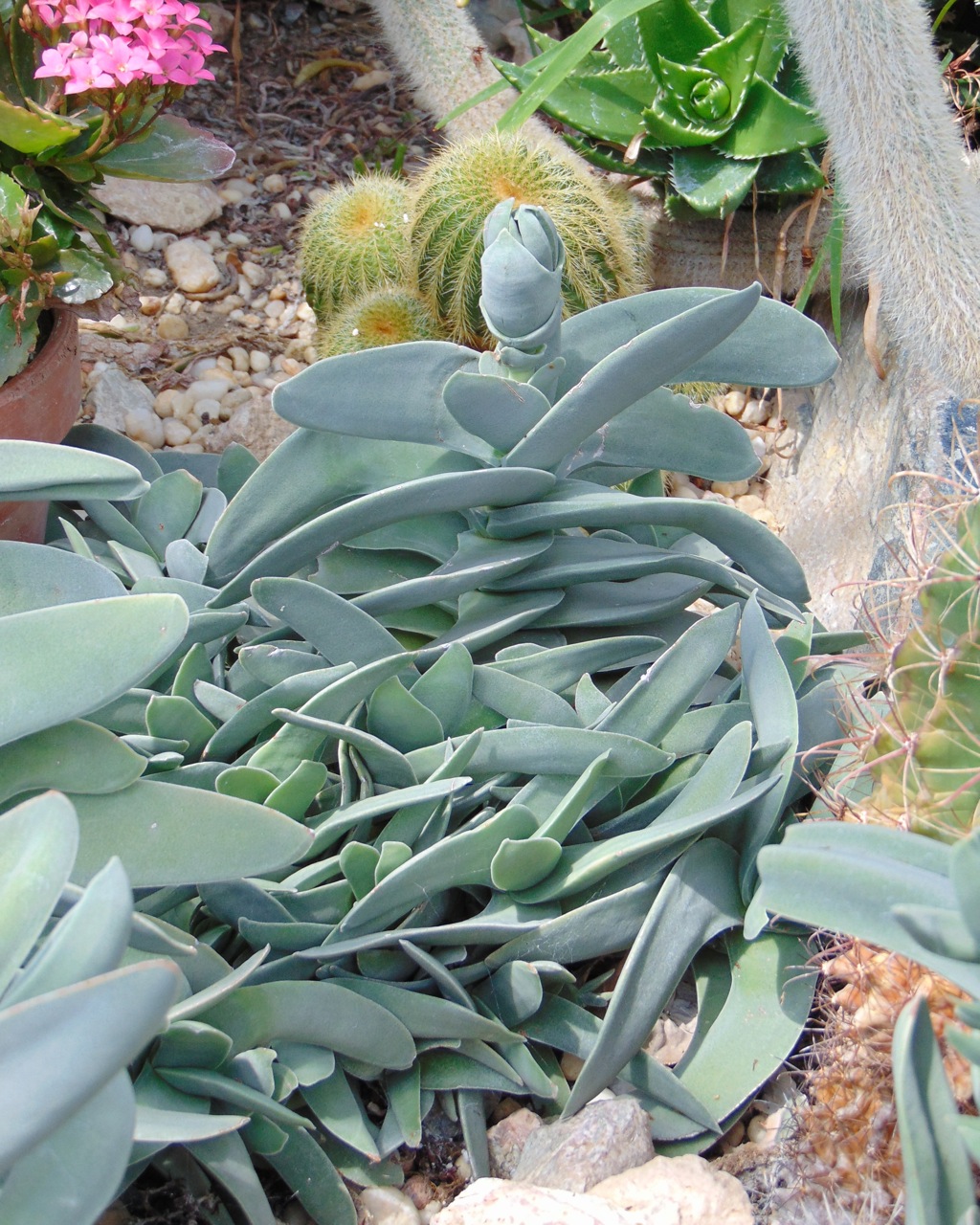
Plants from the Crassulaceae family are unique because of their thick, fleshy leaves! 🍃These leaves store water, which helps the plants survive in dry conditions. They can be green, gray, or even red, and come in different shapes and sizes. 🌈Some have leaves that form rosettes—like a pretty flower! The flowers of Crassulaceae plants also stand out with their bright colors and star-like shapes. 🌟They grow in clusters and attract many birds and bees. Isn’t it cool how nature creates such beautiful designs?
Go deeper🌸 Uses In Landscaping And Gardening
Crassulaceae plants are popular in gardens because they’re so pretty and easy to care for! 🌸They come in many colors and shapes, making gardens colorful and interesting. Many people use them for rock gardens, as ground cover, or in pots. 🪴Some people even create succulent arrangements, mixing different types together for a beautiful display! 🌈Their hardy nature means they can survive in various weather and soil conditions, making them a perfect choice for gardeners everywhere!
Go deeper