Common Goldeneye Facts For Kids
The Common Goldeneye is a diving duck recognized for its distinctive appearance and behavior, found mainly in North America and Europe.
Select reading age
Common Goldeneye Facts For Kids
Videos & Quizzesincluded
About this topic
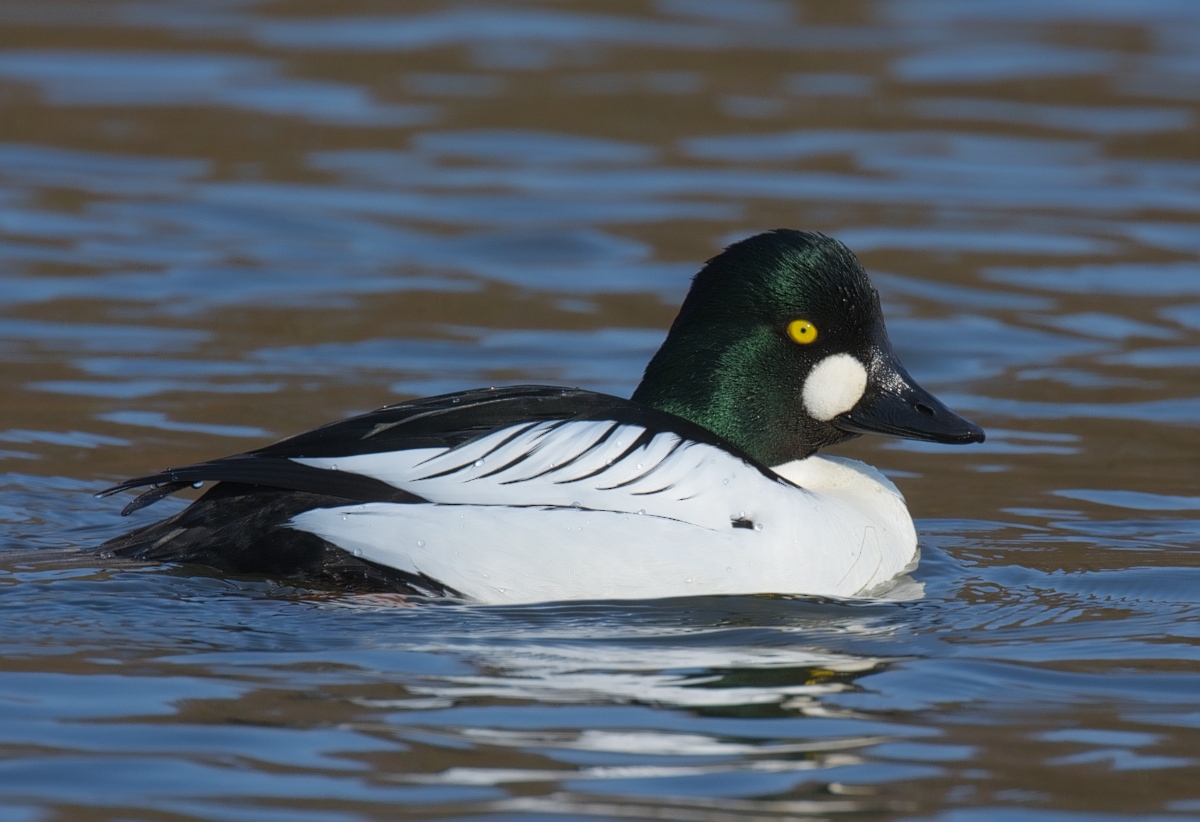
The Common Goldeneye is a beautiful duck found in North America and Europe! 🦆They have a bright green head and a round white spot near their eyes. These ducks are about 30-40 cm long and weigh around 1-1.5 kg. They are most recognizable during the winter months when they gather in large groups on lakes and rivers. Their scientific name is *Bucephala clangula*, and they love to dive for food underwater! Goldeneyes are very agile swimmers and can often be seen bobbing on the water or diving for fish and crustaceans.
Explore with ChatDinoKey Points
Did you know that Common Goldeneyes can dive deeper than most ducks?
The Common Goldeneye is currently classified as "Least Concern" by the International Union for Conservation of Nature (IUCN) 🐥.
In many cultures, ducks hold special meanings and are often seen as symbols of adaptability and grace.
Goldeneyes love to dive deep underwater to find their favorite foods!
Common Goldeneyes are very dedicated parents!
Common Goldeneyes are found in both North America and Europe.
The male Common Goldeneye shines with a stunning dark green head and a white chest.
Common Goldeneyes are known for their interesting social behavior!
Photos of Common Goldeneye
Common Goldeneye — photo 1

Common Goldeneye — photo 2

Bucephala clangula Pair

Female goldeneye with chicks

Eggs, Collection Museum Wiesbaden

Common Goldeneye — photo 6

Common Goldeneye — photo 7

Common Goldeneye — photo 8

Common Goldeneye — photo 9
🌊 Interesting Facts
Did you know that Common Goldeneyes can dive deeper than most ducks? 🌊They're also known for their impressive agility when flying. Another fun fact is that the male's striking colors fade a bit during the summer. These ducks migrate long distances, covering over 1,500 km (900 miles) to find warmer homes during winter. Their name "Goldeneye" comes from their bright yellow eyes! Also, fishermen love to spot these ducks because they often indicate healthy, fish-filled waters. Enjoy observing the wonderfully lively Common Goldeneyes! 🦆✨
Go deeper🐥 Conservation Status
The Common Goldeneye is currently classified as "Least Concern" by the International Union for Conservation of Nature (IUCN) 🐥. This means they have a stable population and are not considered endangered. However, they face threats like habitat destruction and pollution. Conservationists work hard to protect their wetland habitats and clean up polluted waters, ensuring these beautiful ducks continue to thrive for generations to come!
Go deeper🦆 Cultural Significance
In many cultures, ducks hold special meanings and are often seen as symbols of adaptability and grace. 🦆In Native American folklore, Goldeneyes represent friendship and community. They are sometimes celebrated in art and stories for their striking beauty and unique behaviors. Birdwatchers and nature lovers enjoy observing these lovely ducks, making them popular in wildlife photography and conservation projects. Migrations of Goldeneyes are also a sign of changing seasons, marking the arrival of winter in many regions!
Go deeper🌊 Diet And Feeding Habits
Goldeneyes love to dive deep underwater to find their favorite foods! 🌊They mainly eat fish, insects, and crustaceans. Their strong beaks help them catch slippery fish, and they can even dive up to 15 meters deep! While mainly carnivorous, they also snack on aquatic plants. These ducks spend a lot of time foraging, using their keen eyesight to spot their meals. Watching a Goldeneye dive is fun, as they can stay underwater for around 30 seconds before coming up for air!
Go deeper💕 Reproductive Strategies
Common Goldeneyes are very dedicated parents! 💕During the spring, males do their best to attract females through displays and calls. Once they mate, the female builds a nest near water, often near tree roots or in grassy areas. She lays about 7-10 eggs, and after around 28 days of incubation, the ducklings hatch! The mother leads her little ones to water, teaching them how to swim and find food. Goldeneyes are great at protecting their young, staying alert to any dangers nearby.
Go deeper🗺️ Habitat And Distribution
Common Goldeneyes are found in both North America and Europe. 🗺️ They like to live in freshwater lakes, rivers, and ponds that have lots of trees around. In North America, they can be spotted in Canada and the northern United States during the summer, while many winter in the southern parts of the U.S. and along the coasts. In Europe, they are commonly found in Scandinavian countries and parts of Russia. They prefer places with clean water and plenty of food for hunting.
Go deeper🌰 Physical Characteristics
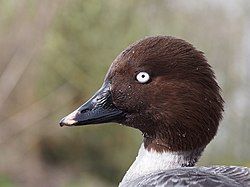
The male Common Goldeneye shines with a stunning dark green head and a white chest. A white spot near their eye makes their face stand out! Females have a brown head, which helps them camouflage better. 🌰Their wings are black and white, and their body is shaped like a smooth oval for easy swimming. They also have webbed feet that help them paddle efficiently. When they flap their wings, you can hear a soft whistling sound! They are capable of flying quickly, reaching speeds up to 80 km/h (50 mph).
Go deeper🦆 Behavior And Social Structure
Common Goldeneyes are known for their interesting social behavior! 🦆These ducks usually form groups, especially during the winter. Males are very protective and can be territorial during the breeding season. They often display fascinating courtship dances, where they bob their heads and flap their wings to impress females. Goldeneyes also communicate using soft calls and whistles. They are known to be friendly with other ducks and can often be seen swimming together in mixed groups.
Go deeper