Common Dace Facts For Kids
The Common Dace is a sociable, sleek freshwater fish native to Europe, known for its beautiful silver color and love for swimming in schools.
Select reading age
Common Dace Facts For Kids
Videos & Quizzesincluded
About this topic
The common dace is a special fish that lives in freshwater! 🐟They belong to the Cyprinidae family and are often found in rivers and lakes. These fish are usually around 20-30 centimeters long and have a sleek, silver body, along with a forked tail. Common dace are native to Europe, which means they originally lived there, but they've been introduced to other places around the world too! They love to swim in groups called shoals. Isn't that cool? 🌍💦
Explore with ChatDinoKey Points
Common dace are not currently endangered, which is great news!
Fishing for common dace is a popular activity in Europe!
When spring arrives, common dace get ready for fun!
Common dace are like little food detectives!
You can find common dace in many places!
Common dace have a streamlined body, which helps them swim fast!
The common dace is classified scientifically as Leuciscus leuciscus.
Keeping common dace in an aquarium can be fun!
Common dace live in harmony with many other aquatic creatures!
Photos of Common Dace

Common Dace — photo 1

Cans of fried dace with salted black beans
🌍 Conservation Status
Common dace are not currently endangered, which is great news! 🌍However, it's important to take care of their homes and the rivers where they live. Pollution and habitat destruction can harm fish. People are learning about how to keep rivers clean, so common dace and their friends can continue living happily. You can help, too, by not littering and keeping water clean! 🧼♻️
Go deeper🎣 Cultural Significance
Fishing for common dace is a popular activity in Europe! 🎣Many people enjoy catching them for fun or for a tasty meal. In some cultures, dace symbolize good luck. They are also important for ecology and help keep the waters healthy. Many stories and folklore include fish, teaching us to respect nature and care for our rivers. 🌊📖
Go deeper🎉 Reproductive Behavior
When spring arrives, common dace get ready for fun! 🎉They reproduce by laying eggs. Females can lay thousands of eggs in shallow areas of rivers and lakes. 🌱The male dace swim around the female to help protect the eggs from other fish that might want to eat them. The eggs hatch in 7-10 days, and then tiny baby dace begin their new adventure in the water! 🐟
Go deeper🕵️♂️ Diet And Feeding Habits
Common dace are like little food detectives! 🕵️♂️ They mainly eat small insects, crustaceans, and even some plant material. During the spring and summer, they swim through the water looking for yummy snacks. Dace prefer to eat during the daytime when it's easier to find food. They use their small mouths to nibble on plants or catch tiny insects. 🍃🐜
Go deeper🏞️ Habitat And Distribution
You can find common dace in many places! They mainly live in freshwater rivers, lakes, and sometimes even brackish waters. 🏞️ These fish enjoy cool, clean waters with plenty of oxygen and plants around them. Common dace are especially found in Europe, including countries like Germany, France, and the UK. However, they've also been introduced to parts of Asia and other regions, like North America, where people wanted to enjoy fishing for them! 🌊
Go deeper🏊♂️ Physical Characteristics
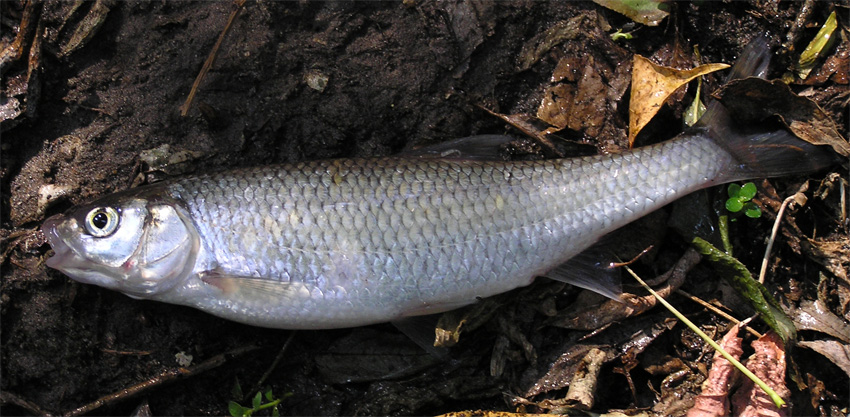
Common dace have a streamlined body, which helps them swim fast! 🏊♂️ They have a shiny, silver color with a slightly darker back. When you look closely, you'll find they have a small, pointed snout and fins that help them navigate through the water. Their tails are forked, giving them a nice push when they swim. Additionally, common dace have tiny scales that sparkle in the sunlight, making them look beautiful! ✨
Go deeper🤓 Taxonomy And Classification
The common dace is classified scientifically as Leuciscus leuciscus. 🤓This big name helps scientists and students talk about it! The family Cyprinidae includes other fish like carp and goldfish. Dace are closely related to these fish, but they have their own special features. They belong to the subclass Actinopterygii, which means they are ray-finned fish. This classification helps us understand how different fish are connected to each other. 🐠
Go deeper🐟 Aquarium Care And Maintenance
Keeping common dace in an aquarium can be fun! 🐟They need plenty of swimming space, clean water, and plants to hide in. Make sure the water is cool and has good oxygen levels. Dace prefer to swim in small groups, so keep at least 4-5 together for happiness! Feed them high-quality fish food, and change some water regularly. Keeping them healthy is important for happy swimming! 💧🏠
Go deeper🐡 Interaction With Other Species
Common dace live in harmony with many other aquatic creatures! 🐡They often swim alongside fish like roach and chub. They are also prey for larger fish, birds, and other animals, helping to keep the balance in their ecosystem. Dace can be helpful for water plants by spreading seeds and nutrients when they swim around and feed. 🦅🌱
Go deeper