Common Bream Facts For Kids
The common bream is a European freshwater fish known for its oval-shaped silvery body and adaptability to various habitats.
Select reading age
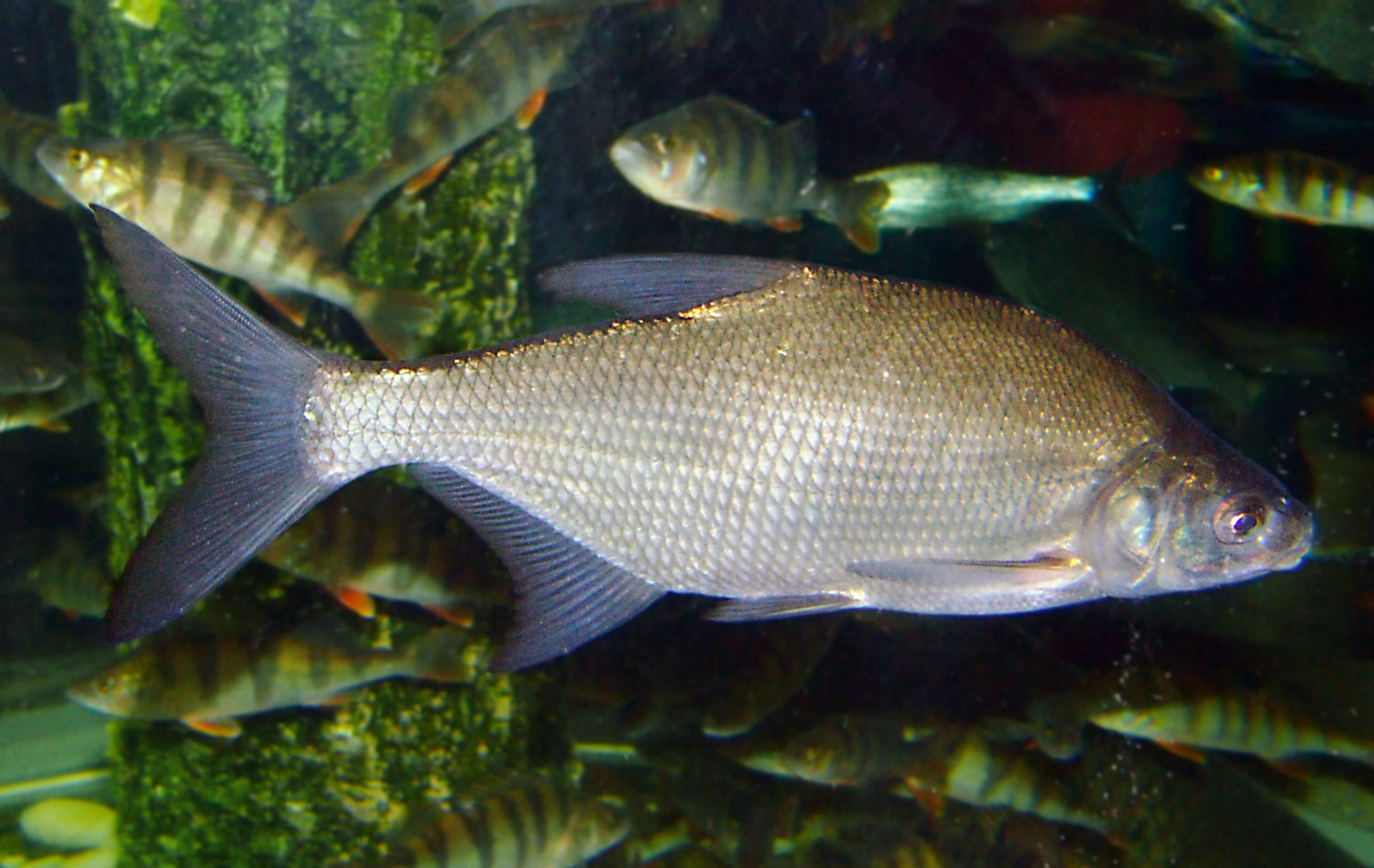
Common Bream Facts For Kids
Videos & Quizzesincluded
About this topic
The common bream is a fascinating fish found in many lakes and rivers across Europe! 🐟This fish can grow up to 40 cm long and weigh around 4 kg! Bream are known for their flat, silver-colored bodies and rounded fins. They are part of the Cyprinidae family, which means they are related to carp and goldfish. Bream love to swim in schools, which helps protect them from predators. They are active swimmers and can be quite fun to watch! Did you know that bream can be found from the UK all the way to Russia? 🌍
Explore with ChatDinoKey Points
The common bream has a few predators that keep it on its fins!
The common bream is currently considered a species of "Least Concern," meaning they are not endangered.
The common bream has been important to people for centuries!
The common bream loves warm, shallow waters like lakes, rivers, and canals.
The common bream has a shiny, silver body that helps it blend into watery surroundings.
The common bream is not a picky eater!
Common bream can live for about 10 to 15 years.
Fishing for common bream can be really fun!
Photos of Common Bream

Silver bream above, common bream below

Common bream on fish exhibition in Prague

A mature bronze-coloured common bream from the Netherlands
🦅 Common Predators
The common bream has a few predators that keep it on its fins! 🦅Birds like herons and kingfishers often hunt bream, while larger fish such as pike and catfish see them as tasty snacks. Bream have to be very careful and stay in groups to avoid being eaten. They use their flat bodies and shiny skin to blend into the underwater environment, helping them escape detection. 🏃♂️ Safety in numbers is key for these fish!
Go deeper🌿 Conservation Status
The common bream is currently considered a species of "Least Concern," meaning they are not endangered. 🌿This is great news! However, it's still important to protect their natural habitats from pollution and overfishing. Many countries have rules to help preserve bream populations, making sure we can enjoy them for a long time! Sustainable fishing practices help ensure that their numbers remain healthy. Remember, keeping our lakes and rivers clean is essential for all fish, including our friend, the bream! 🌍✨
Go deeper🎉 Cultural Significance
The common bream has been important to people for centuries! 🎉In many European countries, bream is a popular type of fish to catch and eat. People enjoy cooking it in various ways, like grilling or frying. Bream can also be found in local festivals and fish markets. In art and literature, bream symbolizes the beauty of freshwater ecosystems. Fishermen often share stories about their greatest catches, making the bream a special part of their fishing culture! 🎨🐡
Go deeper🏞️ Habitat And Distribution
The common bream loves warm, shallow waters like lakes, rivers, and canals. 🏞️ They prefer places with plenty of plants where they can hide and find food. Bream are found in many countries across Europe including the UK, France, Germany, and even in some parts of Russia! 🗺️ They are freshwater fish, which means they live in freshwater bodies and are not found in oceans. Bream like muddy bottoms in their habitats, where they can dig for delicious goodies to eat. Just look for them near riverbanks or lake edges!
Go deeper🌊 Physical Characteristics
The common bream has a shiny, silver body that helps it blend into watery surroundings. 🌊Its body can be about the width of a dinner plate! Bream have large, flat heads with big eyes that help them see better underwater. They also have small mouths, which are perfect for eating tasty food like plants and tiny creatures. Their fins are a bit rounded, making them good swimmers. Young bream are usually more colorful with a bronze hue, while adults tend to look more silver. This cool color change helps them stay safe as they grow! 🎨
Go deeper🥗 Diet And Feeding Behavior
The common bream is not a picky eater! 🥗They love munching on yummy snacks like aquatic plants, tiny bugs, and even crustaceans. Their small mouths are perfect for sifting through mud to find tasty bits! Bream often feed in groups, which helps them find food faster and stay safer from predators. They will nibble throughout the day, but are especially active during early morning or late afternoon. You can even see them poking around the bottom of lakes and rivers to enjoy their meals! 🍽️
Go deeper🐠 Reproduction And Lifespan
Common bream can live for about 10 to 15 years. But during their life, they like to reproduce! 🐠They usually spawn in spring or early summer when the water starts to warm up. During this time, female bream will lay thousands of eggs in shallow, weedy areas. The male bream then fertilizes the eggs. The baby bream, known as fry, hatch after a few days! They start out very tiny but can grow fast with plenty of food. Once they reach maturity, they'll be ready to start the cycle all over again! ♻️
Go deeper🎣 Fishing And Angling Techniques
Fishing for common bream can be really fun! 🎣Many anglers use a rod and reel, along with special bait like corn, worms, or prepared dough balls. Bream love to nibble on these treats! It’s best to fish for them in shallow waters, especially around dawn or dusk when they’re looking for snacks. A float can help you see when a bream bites! Catching bream can be exciting as they often put up a fight once they're hooked. Remember to always handle them gently and release them back to the water if you're not eating! 🐚
Go deeper