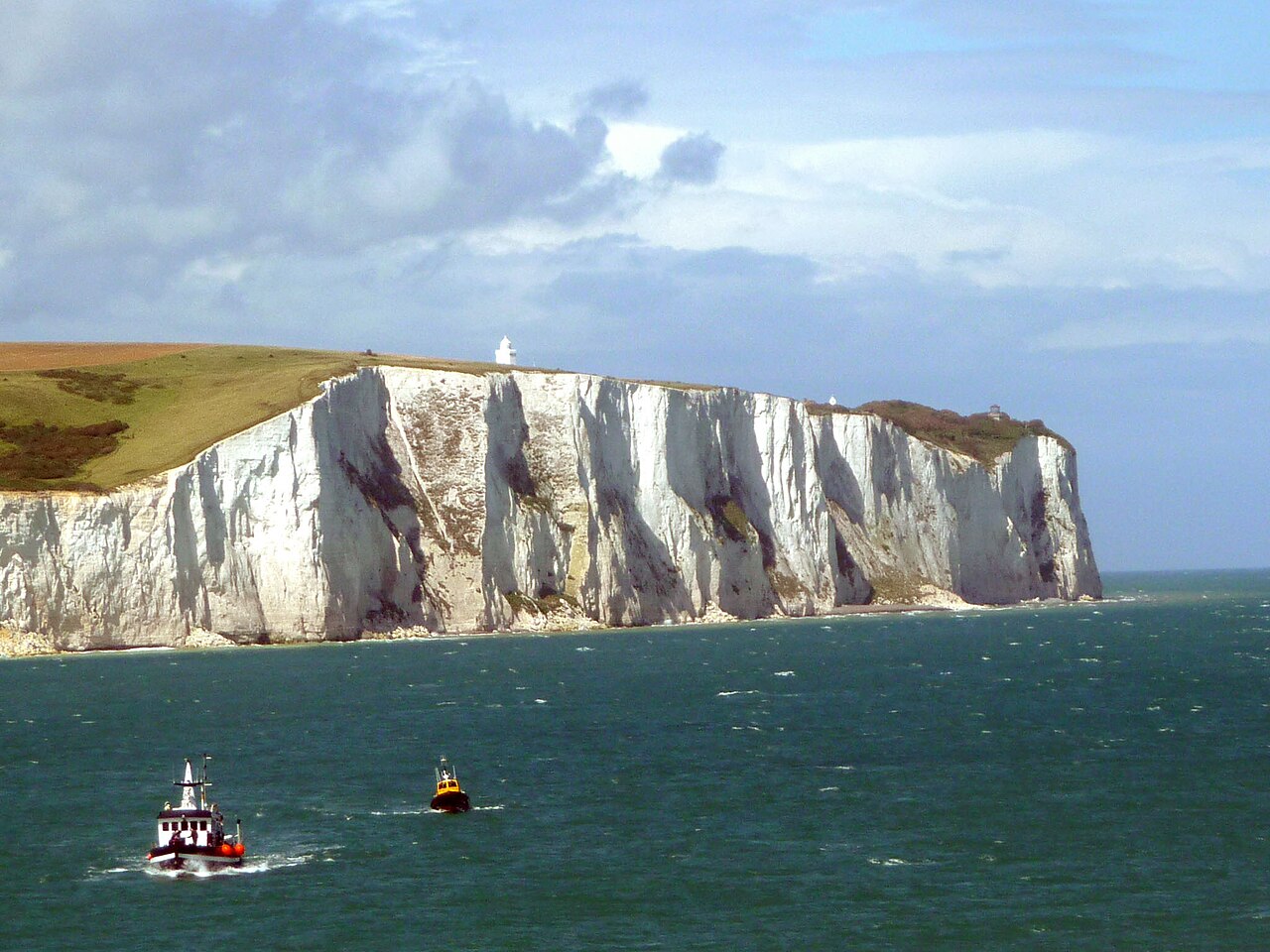
A cliff is a steep rock face or wall that is often vertical or nearly vertical, formed by geological processes such as erosion and tectonic activity.
Set reading age
View for Kids
Easy to read and understand
View for Students
Clear, detailed explanations
View for Scholars
Deep dives and big ideas
Cliffs are tall, steep areas of rock that rise high above the ground! 🌍They can be found all over the world, from the rugged coastlines of California to the famous cliffs of Dover in England. Cliffs are created through erosion, where wind and water wear away the rock over many years. A famous cliff, El Capitan, is in Yosemite National Park, California, and stands about 3,000 feet tall! 🏞️ Cliffs can be very beautiful and are often home to a variety of plants and animals. Let's dive deeper into the fascinating world of cliffs!
There are many types of cliffs, and they can be made of different materials. 🪨Some cliffs are made of limestone, like the stunning White Cliffs of Dover. Others are granite, like El Capitan. Cliffs can also be categorized based on their shape. Vertical cliffs are straight up and down, while sloping cliffs have a gentler angle. Sea cliffs rise up from the ocean, while lake cliffs can be found by lakes. 🏖️ No two cliffs are exactly alike, which makes exploring them exciting!
Cliffs are home to unique ecosystems! 🌿Many plants and animals thrive in these rocky areas, adjusting to the harsh conditions. For example, certain birds like peregrine falcons nest on cliffs because they provide safety from predators. 🦅Plants, like lichens, grow on cliffs too, using nutrients in the rock. Cliffs can also have special health-check roles, filtering water that runs off into rivers or oceans. Even small insects and mammals find homes among the rocks. Cliffs are like little worlds all their own!
Cliffs are formed through a process called erosion. 🌊This happens when rainwater, rivers, and waves wear away the rock layers over time. The hard rock remains while softer rock gets washed away, creating that steep rock face we see. In places like the Grand Canyon, the Colorado River carved through layers of rock, forming amazing cliffs! 🏔️ Sometimes, glaciers also help shape cliffs by scraping away land. It takes thousands or even millions of years for cliffs to form—nature certainly takes its time! ⏳
Cliff climbing is a thrilling activity many people enjoy! 🧗♂️ It involves climbing steep rock faces using special equipment. Climbers wear helmets and harnesses for safety and use ropes to protect themselves while climbing. Some famous climbing spots include Joshua Tree in California and the cliffs of Moher in Ireland! ☘️ It's essential to know the basics of climbing and to always be careful. Never climb alone, and always check the weather. Being prepared helps keep climbers safe on their adventure!
Artists and writers have long been inspired by cliffs! 🎭Think about the famous painting "The Fighting Temeraire" by J.M.W. Turner, which shows beautiful cliffs. In literature, cliffs often appear in stories to show adventure or danger. For example, in Lewis Carroll’s "Alice in Wonderland," there’s a cliff in the story that Alice must navigate. 📚Cliffs create dramatic backgrounds and symbolize challenges characters face. They add excitement to art and stories, sparking imagination in everyone!
There are many famous cliffs around the globe that attract visitors! 🏰The Cliffs of Moher in Ireland rise 702 feet above the Atlantic Ocean and are stunning to behold! Another famous one is the Rocky Mountains in North America, with steep cliff faces and breathtaking views. 🚀In Australia, the Twelve Apostles are famous limestone cliffs by the ocean. Each cliff has its own story and beauty, making them wonderful places to visit and learn about!
Cliffs have great cultural significance in many places! 🕌In ancient times, people built homes and castles on cliffs to protect themselves from enemies. For example, the Cliffs of Moher in Ireland have been a popular place for stories and legends. These giant cliffs inspire different communities, arts, and traditions. 🎨The views from cliffs can also be breathtaking, often photographed for postcards and paintings. Cliffs tell tales of history and are cherished by many around the world!
Conserving cliff environments is essential for protecting their unique wildlife and geology! 🌳Many cliffs are in national parks or reserves to ensure they are safe from pollution and destruction. Organizations work hard to keep these areas clean, promoting respectful visits. Cliffs are important for many species, and preserving them helps maintain nature’s balance. 🌍By recycling and following “Leave No Trace” principles, everyone can do their part to protect these special places. Love and care for cliffs ensure future generations can enjoy their beauty!
Cliffs are often found alongside several interesting geological features! 🗻For example, you might find caves at the base of cliffs, formed by erosion and weathering. These caves are exciting habitats for animals! Cliffs can also have landslides, where rocks and soil fall downwards, changing their shape. 🌪️ Sometimes, cliffs have unique formations like arches or overhangs, created by years of erosion. These features help geologists study how the Earth changes over time, helping us understand our planet better! 🌎


DIY is a creative community where kids draw, build, explore ideas, and share.
No credit card required