Click Beetle Facts For Kids
Click beetles are interesting insects known for their distinctive clicking sound and ability to leap into the air as a defense mechanism.
Select reading age
Click Beetle Facts For Kids
Videos & Quizzesincluded
About this topic
The click beetle is a fascinating insect that belongs to the family Elateridae. 🐞These beetles can be found in many parts of the world, including North America, Europe, and Asia. They come in many colors and sizes, but most are about one inch long! What makes them unique is their ability to "click" when they flip over. This is their way of flipping back onto their feet if they find themselves upside down. Click beetles are not just cool to look at; they play an important role in nature! 🌍
Explore with ChatDinoKey Points
Click beetles play a big role in the environment!
In some cultures, click beetles are admired for their unique ability to jump!
As larvae, click beetles love to munch on plant roots, seeds, and decaying wood.
Click beetles have some amazing adaptations that help them survive!
Like many insects, click beetles face threats from habitat loss, pollution, and climate change.
Click beetles can be found in different habitats such as forests, fields, and gardens.
Click beetles have hard, shiny bodies that can be black, brown, or even brightly colored!
Click beetles go through a fascinating life cycle that has four main stages: egg, larva, pupa, and adult.
Photos of Click Beetle

Click Beetle — photo 1

Click Beetle — photo 2

Click Beetle — photo 3

Denticollis linearis from Koenigsforst near Cologne, Germany
🌿 Ecological Role
Click beetles play a big role in the environment! 🌿They help break down dead plants and wood, returning nutrients to the soil. This makes soil healthy for other plants to grow! Also, they are part of many food chains. Birds and other animals eat them, helping to maintain the balance in their ecosystems. The larvae even help aerate soil, making it easier for plants' roots to access water and nutrients. 🌱In every way, click beetles contribute to the health of nature! 😊
Go deeper🦗 Cultural Significance
In some cultures, click beetles are admired for their unique ability to jump! 🦗They have been mentioned in stories and legends around the world, often symbolizing strength and perseverance. In Japan, folklore tells of insects like click beetles that help farmers. 🌾People also sometimes collect them for fun or in educational settings to explore ecosystems. Their clicks are fascinating sounds to hear, making them popular among nature lovers and researchers! 🎶
Go deeper🌱 Diet And Feeding Habits
As larvae, click beetles love to munch on plant roots, seeds, and decaying wood. 🌱They help break down organic material, making them important for composting! Adult click beetles mostly feed on nectar, pollen, and leaves. 🍂Some even eat other insects! They use their strong mouthparts to chew through plants, and their diet varies based on the species. This means different kinds of click beetles eat different things, so it's always interesting to learn more about them! 🥗
Go deeper🌍 Behavior And Adaptations
Click beetles have some amazing adaptations that help them survive! 🌍One of these is their clicking mechanism. When on their backs, they rapidly snap their body to flip over. This also makes a clicking sound, hence the name! In addition to this, many click beetles can change color to match their surroundings for camouflage. They are also great at flying, which helps them escape from enemies. 🦅Some species can even emit a faint light, making them harder for predators to spot! 🌟
Go deeper🌍 Conservation And Threats
Like many insects, click beetles face threats from habitat loss, pollution, and climate change. 🌍Pesticides used in farming can harm their populations. To protect them, it's important to plant native flowers and avoid using harmful chemicals in gardens. You can help by creating a safe space for insects in your backyard, like leaving some leaves for them to hide under! Every little action counts in keeping click beetles safe and healthy! 🐞❤️
Go deeper🌳 Habitat And Distribution
Click beetles can be found in different habitats such as forests, fields, and gardens. 🌳They like places with plenty of plant life because that’s where they find food and shelter. You can spot them in North America, Europe, and even in parts of Asia and Africa. Some species thrive in wet areas, while others prefer dry grasslands. Click beetles are active during warm months, usually in spring and summer. They can often be found under leaves, logs, or stones! 🪨
Go deeper🌈 Physical Characteristics
Click beetles have hard, shiny bodies that can be black, brown, or even brightly colored! 🌈They typically have elongated shapes and long antennae that help them sense their surroundings. One of their most interesting features is a special hinge on their thorax. This allows them to click and jump when they’re flipped over! Some species even have patterns that help them camouflage with their environment. 🌿Their tough exoskeleton protects them from predators. Also, they have large eyes that help them spot danger and find food! 👀
Go deeper🥚 Life Cycle And Development
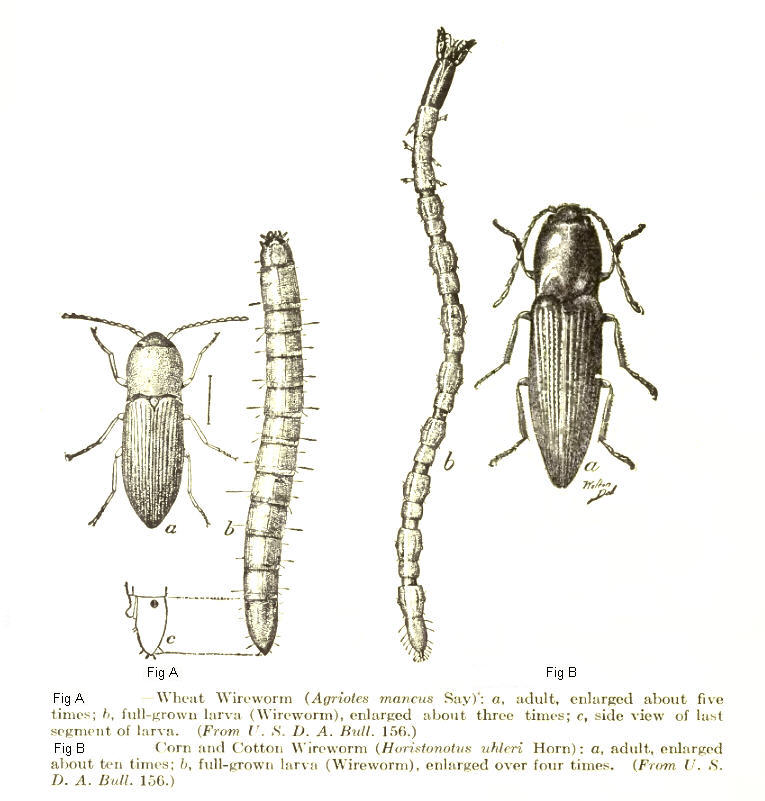
Click beetles go through a fascinating life cycle that has four main stages: egg, larva, pupa, and adult. 🥚The female beetle lays tiny eggs in the soil or under rotting wood. After a few days, the eggs hatch into larvae, also known as wireworms. These larvae are often long and slender! 🐛After several weeks, they dig into the ground and enter the pupa stage. When they finally emerge, they are fully grown adult beetles. This whole cycle can take several months to two years! ⏳
Go deeper