Claves Facts For Kids
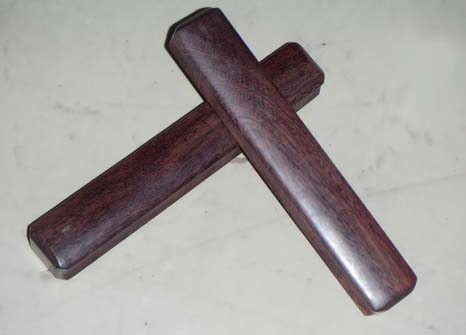
Claves are a percussion instrument consisting of two wooden sticks that produce a bright, sharp sound when struck together, commonly used for keeping rhythm in music, especially in Latin genres.
Select reading age
Claves Facts For Kids
Videos & Quizzesincluded
About this topic
Claves are fun percussion instruments! 🥁They are two wooden sticks that you hit together to make a sharp sound. Claves are important in music from different cultures, especially in Africa and Latin America. They can be used in many types of music, like jazz and salsa! The word "clave" means "key" in Spanish, and it's like the key that unlocks the rhythm in a song. Claves help musicians keep the beat and make their tunes more exciting. 🎶Next time you hear music, listen for the claves!
Explore with ChatDinoKey Points
There are different types of claves!
Claves are great for understanding rhythm!
Claves have a rich history!
Playing claves is super easy!
Claves have great cultural importance!
Many famous musicians have played claves!
You can find claves in lots of music genres!
You can make your own claves!
Photos of Claves

Playing a pair of claves
🥁 Types Of Claves
There are different types of claves! The most common type is made of wood, usually from trees like rosewood or padauk. These wooden claves sound bright and are perfect for keeping tempo. Some musicians use plastic or metal claves, which can make different sounds. 🥁In Latin music, you often hear the “three-two” or “two-three” clave patterns, which are two different ways to count beats. No matter the type, claves are always fun to play and listen to! 🎵
Go deeper🎵 Claves And Rhythm
Claves are great for understanding rhythm! 🎵They help musicians follow a steady beat and play together. Clave rhythms are either "three-two" or "two-three," which helps to create excitement in music. The three-two clave has 3 beats in one group and 2 in another, while the two-three has 2 beats followed by 3. 💃Try clapping out these rhythms while listening to songs to feel the beat! Claves make it easier to understand how different instruments work together, like a musical team! 🎉
Go deeper🌎 History Of Claves
Claves have a rich history! 🌎They originated in Africa many years ago, where people used them in dances and ceremonies. African musicians then brought claves to the Caribbean. By the 19th century, claves became popular in Latin music. In Cuba, they added a special rhythm called the "clave rhythm" that is essential for many styles of music. Famous musicians like Tito Puente helped spread claves even further. Today, you can hear claves in songs all around the world! 🎉
Go deeper🖐️ How To Play Claves
Playing claves is super easy! Start by holding one clave in your dominant hand and the other in the other hand. 🖐️ You can place one clave on top of the other and hit them together to make sound. Try different rhythms: you can play fast or slow! Keep a steady beat; it's like tapping your foot to your favorite song. 🎼Practice simple patterns like two hits, then a pause. Once you're comfortable, you can join in with music or play along with friends. Have fun and let your creativity shine! ✨
Go deeper🥳 Cultural Significance
Claves have great cultural importance! In Africa, they are a key part of traditional music, often used in celebrations 🥳 and storytelling. In Cuba, the clave rhythm is vital for salsa and mambo music, making people want to dance! 💃Claves also bridge cultures, connecting African and Latin American traditions. In the United States, clave rhythms can be heard in jazz and pop music, showing their influence everywhere. 🤝So, when you hear claves, know that you're experiencing a mix of rich cultures and histories!
Go deeper🎤 Famous Claves Players
Many famous musicians have played claves! 🎤Tito Puente, known as the "King of Latin Music," used claves in his energetic salsa performances. Another great clave player is Giovanni Hidalgo, who mixes jazz and Latin rhythms beautifully. 🥁There’s also Armando Peraza, who played with big stars like Santana! These musicians show us how powerful claves can be in creating melody and rhythm. 🎶When you listen to their music, pay attention to the claves—it's like they bring the beat to life!
Go deeper🎷 Claves In Music Genres
You can find claves in lots of music genres! 🎷In Latin music, they are key to salsa, merengue, and son, keeping the beat lively and exciting. Claves also show up in jazz, adding rhythm and flair. Artists like Dizzy Gillespie and Celia Cruz used claves in their songs! In African music, claves are essential for accompanying dances and rituals, making them special. 🕺Even in classical music, you might hear them as part of the percussion section! So, claves make all kinds of music more vibrant! 🎊
Go deeper🛠️ Diy Claves: Making Your Own
You can make your own claves! 🛠️ All you need are two sticks—try using wooden spoons, dowels, or even sturdy pencils! First, make sure they are about 8 to 12 inches long for the best sound. 🎶Hold them in each hand, and practice striking them together. You can decorate your claves with paint or stickers to make them unique! Don't forget to experiment with different materials; for example, plastic can give a different sound! 🎨Making your own claves is a fun way to learn music and create your own rhythm!
Go deeper