All Articles

Cistercians

Cistercians Facts For Kids

The Cistercians are a Catholic religious order of monks and nuns dedicated to a simple, communal life of prayer, work, and spiritual growth, originally formed in the 12th century based on the Rule of Saint Benedict.

🎨 Reading age for 6-8
Background blob
Cistercians
Cistercians
Facts for Kids!
Image by Tardigradius, licensed under Creative Commons Attribution-Share Alike 4.0

Do more with AI

Introduction

The Cistercians are a special group of monks and nuns that began a long time ago in Europe! 🌍They started in the 12th century and focused on living a simple life while praying and working hard. Cistercian means "from Cîteaux," where they began. They follow the Rule of Saint Benedict, which tells them how to live. They are known for their beautiful monasteries and their love for nature! 🌱Today, you can find Cistercian communities in many countries, and they help us understand the importance of peace, work, and community. Let’s dive into their fascinating story!

Images of Cistercians

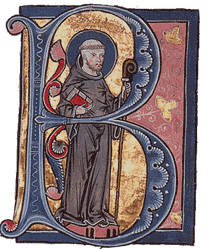
St. Bernard of Clairvaux, one of the most influential early Cistercians, seen here depicted in a historiated initial

St. Bernard of Clairvaux, one of the most influential early Cistercians, seen here depicted in a historiated initial

Vietnamese Cistercian monks standing in a cloister and wearing their religious habits

Vietnamese Cistercian monks standing in a cloister and wearing their religious habits

An illumination of Stephen Harding (right) presenting a model of his church to the Blessed Virgin Mary (Municipal Library, Dijon). Cîteaux, c. 1125. At this period Cistercian illumination was the most advanced in France, but within 25 years it was abandoned altogether under the influence of Bernard of Clairvaux.

An illumination of Stephen Harding (right) presenting a model of his church to the Blessed Virgin Mary (Municipal Library, Dijon). Cîteaux, c. 1125. At this period Cistercian illumination was the most advanced in France, but within 25 years it was abandoned altogether under the influence of Bernard of Clairvaux.

Saint Benedict and Saint Bernard (1542), by Diogo de Contreiras. Saint Bernard is depicted in the white cowl of the Cistercians.

Saint Benedict and Saint Bernard (1542), by Diogo de Contreiras. Saint Bernard is depicted in the white cowl of the Cistercians.

Prioress of Rieunette priory in France.

Prioress of Rieunette priory in France.

Tintern Abbey, founded in 1131

Tintern Abbey, founded in 1131

The ruins of Melrose Abbey, mother house of the Cistercians in ScotlandImage by User:JeremyA, licensed under Creative Commons Attribution-Share Alike 2.5

The ruins of Melrose Abbey, mother house of the Cistercians in Scotland

The houses affiliated with the Abbey of Savigny merged with the Cistercian Order.Image by Crochet.david ( talk ), licensed under Creative Commons Attribution-Share Alike 3.0

The houses affiliated with the Abbey of Savigny merged with the Cistercian Order.

Cistercian abbey in Bélapátfalva, HungaryImage by Horvabe, licensed under Creative Commons Attribution-Share Alike 3.0

Cistercian abbey in Bélapátfalva, Hungary

The royal Alcobaça Monastery, founded in Portugal in 1153

The royal Alcobaça Monastery, founded in Portugal in 1153

Notable Cistercian Figures

One important Cistercian was Saint Bernard of Clairvaux! Born in 1090 in France, he helped expand the order by founding over 60 monasteries. 🌟He was known for his passionate speeches and love for God. Another notable figure is Thomas Merton, a modern monk who wrote many books about spirituality and peace. 🖊️ These individuals showed how Cistercian teachings continue influencing people today. Each Cistercian leader has added to the rich history of the abbey, with their teachings helping many understand the importance of compassion, community, and connection to nature. 🌱

History Of The Cistercian Order

The Cistercian Order was founded in 1098 in a small place called Cîteaux, France! 🏰A group of monks wanted to live a simpler and purer life, so they followed rules made by Saint Benedict. After they started, other monks admired their way of life. Soon, many more Cistercian monasteries opened across Europe. By the 12th century, there were hundreds! This fast growth helped spread their ideas about loving God and caring for the earth. Their famous leader, Saint Bernard of Clairvaux, helped the Cistercians grow even more, making them very influential! 🌟

Expansion And Influence In Europe

As more people learned about the Cistercians, their order spread all across Europe! 🌍From France to Spain, England, and Italy, they established hundreds of monasteries. This expansion helped promote a love for farming, caring for nature, and living in harmony with others. Cistercians encouraged many agricultural practices, like crop rotation and animal husbandry, which helped cities develop! They also influenced education by creating schools and libraries within their monasteries. The Cistercians played a crucial role in shaping history through their balance of faith, work, and community. 🙌

Spiritual Practices And Daily Life

Cistercian monks and nuns have a special daily schedule filled with prayer and work! ⏰They wake up early in the morning for prayers, called the Divine Office, which happens five times a day. They also spend time reading, meditating, and working in the fields or gardens. 🌻Most Cistercians live simply and do not own many things, believing that less is more! Every day, they support each other in their mission to lead a peaceful life and stay close to God. Their dedication helps show us how important it is to find balance in life! ⚖️

Founding And The Monastery Of Cîteaux

The first Cistercian monastery was built in Cîteaux in 1098. It was surrounded by beautiful forests and streams, making it a peaceful place for the monks to pray and work. 🌳The founders wanted to create a community where everyone helped each other. The monks lived together, shared tasks, and devoted plenty of time to God. Cîteaux became famous, and many other monasteries were inspired by its simple and beautiful designs. The Cistercians loved nature, so many of their monasteries were built in quiet, green places where they could enjoy the beauty of God's creation! 🌼

Architecture And Art Of Cistercian Monasteries

Cistercian monasteries are remarkable! 🏛️ They are known for their simple, but elegant architecture. Instead of fancy decorations, they focused on creating large spaces for prayer and daily activities. Monasteries like Clairvaux and Fontenay in France have beautiful stone walls and tall windows that let in natural light. ☀️ Many Cistercians were involved in making art, especially illuminated manuscripts and sculptures. They created stunning books with colorful pictures for people to read. Their buildings and art show the beauty of simplicity while still serving a purpose in their spiritual lives! 🎨

Challenges And Reforms In The Cistercian Order

The Cistercian Order faced some tough times! 😟In the 15th century, many monasteries became less strict about rules. As a result, some Cistercians lost their simple way of living! To help, there were reforms like the “Strict Observance,” which encouraged monks to return to their original rules. This change happened in the 17th century and gave new life to the order. While it wasn’t easy, Cistercians learned that following their core values could strengthen their communities and spiritual connection! 💪Their journey shows that challenges can lead to growth and renewal!

Cistercian Contributions To Agricultural Practices

Cistercians loved farming and were true pioneers of agriculture! 🌾They introduced cool farming ideas in the 12th century, like crop rotation, which helps keep the soil healthy. They were great at growing grains like wheat and barley and raised animals such as cows and sheep! 🐑Cistercians also built large gardens at their monasteries where they grew fruits and vegetables. Their practices helped many people eat better and produce more food. By caring for the environment, the Cistercians showed everyone how important it is to work in harmony with nature! 🌻

Cistercians Today: Modern Practices And Communities

Today, Cistercians are still active and work hard to promote peace and spirituality! 😇You can find Cistercian communities in various countries, like the United States, Brazil, and Poland. They continue their commitment to prayer, community life, and caring for the environment. Some Cistercians even run guest houses, inviting people to find peace and tranquility. 🏡They focus on sustainable farming, ensuring nature is protected. The Cistercian lifestyle teaches us the importance of working together, respecting the earth, and finding joy in simple things! 🌺

Cistercians Quiz

Q1
Question 1 of 10

Learn more about Cistercians

Ready to create?

Drop Files here
Make

To create a safe space for kid creators worldwide!

Create

Vibe Coding

Kids GPT

All Tools

Kibu

Resources

Worksheets

SafeTube

Blog

FAQ

Account

Pricing

Log-in

Sign-up

Data Deletion

Company

About

Community Guidelines

Privacy Policy

Terms of Service

2025, URSOR LIMITED. All rights reserved. DIY is in no way affiliated with Minecraft™, Mojang, Microsoft, Roblox™ or YouTube. LEGO® is a trademark of the LEGO® Group which does not sponsor, endorse or authorize this website or event. Made with love in San Francisco.