The history of Chinese literature extends thousands of years, beginning with ancient inscriptions and evolving into major philosophical and historical works.
Set reading age
View for Kids
Easy to read and understand
View for Students
Clear, detailed explanations
View for Scholars
Deep dives and big ideas
Chinese literature is a treasure chest filled with stories, poems, and ideas that have been written for thousands of years! 📚It all started with small inscriptions on bones and shells around 1200 B.C. This means people in ancient China began to write over 3,200 years ago! As time went on, different styles of writing developed in places like Beijing and Xi’an. Chinese literature reflects the beliefs, dreams, and histories of its people, often inspired by nature, legends, and life! 🌳Let's explore the fascinating journey of how Chinese literature evolved and influenced cultures across the world! 🌏
Chinese classical poetry is beautiful and full of emotions! 📜One of the most famous styles is called "regulated verse," created during the Tang Dynasty. 🌸Poets like Du Fu and Li Bai wrote stunning poems about nature, love, and life’s struggles. Did you know that Chinese poems often follow special rules about the number of characters in each line? ✨This made them sound rhythmic and musical! Usually, they are short but packed with meaning, with some using just 5 or 7 characters! 🐉Chinese poetry continues to inspire people today, reminding us of life’s wonders! 🌼
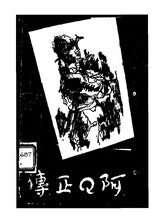
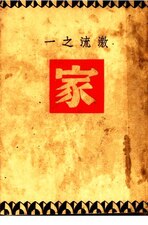
Modern Chinese literature began in the early 20th century and includes many amazing authors! ✍️ One influential writer was Lu Xun, who used his stories to discuss social issues! 📚Other authors like Ba Jin and Lao She shared stories about everyday lives and struggles, especially during the cultural changes in China. Did you know that modern novels in China touch on themes of love, war, and family just like in other countries? 🌏Today, Chinese literature continues to explore new ideas and experiences, showing the ever-changing landscape of Chinese society! 🌼
Many great authors have made a mark in Chinese literature! 🔥Some names you may know include Lu Xun, whose short stories like “A Madman’s Diary” discuss society. Another famous author is Mo Yan, who won the Nobel Prize in Literature in 2012 for his novel “Red Sorghum.” 📚 His book tells tales of village life! Additionally, Shi Tiesheng’s stories focus on personal experiences. 📖These authors have contributed to modern literature and inspired both Chinese readers and those around the world, showing the power of storytelling! 🌟
China's literature has been influenced by Western literature as cultures met! 🌍In the late 19th and early 20th centuries, writers began to read works from authors like Shakespeare and Mark Twain. This inspired them to adopt new styles and themes! 📖For example, the use of realism became popular, showing ordinary life and characters in a more relatable way. Other movements like romanticism and modernism also found their way into Chinese storytelling. 🎨This blend of ideas from East and West has created a rich literary scene, leading to vibrant stories that speak to both cultures! 🎉
In ancient China, prose and essays were important for sharing ideas and morals! 📝The "Analects" by Confucius, written around 500 B.C., shares thoughts on ethics and good conduct. 📜Another famous work is "Records of the Grand Historian," a detailed history written by Sima Qian during the Han Dynasty. 🌟Prose was used to tell stories, convey teachings, and reflect on society. These writings helped shape Chinese culture and taught important lessons about respect, family, and honor! 📚They still inspire many people around the world! 🌎
Traditional Chinese theatre is a captivating art form! 🎭One popular style is Peking Opera, which combines singing, dancing, and acting. 🌈Peking Opera began in the late 18th century and features colorful costumes and elaborate makeup! Each character has unique roles; for example, you have the "Sheng" (the hero) and the "Dan" (the heroine). The shows often tell stories from history or folklore, bringing tales like "The Romance of the Three Kingdoms" to life! 🎉Traditional Chinese theatre teaches important lessons and helps keep history and culture alive through performance! 🎤
Literary criticism is a way to understand and analyze books! 📚In China, scholars often discuss the meaning, value, and beauty of works. Classical critics like Liu Xie wrote about literature in the 5th century, emphasizing creativity and emotion! 🌸In modern times, critics examine themes, techniques, and how literature reflects society. Criticism helps readers understand deeper meanings and appreciate different styles of writing! Nowadays, literary analysis keeps evolving, with new voices exploring various topics like identity, culture, and tradition in Chinese literature! 🎊
Contemporary Chinese literature is exciting and diverse! 🏮It includes novels, poetry, and essays that explore modern life, technology, and personal experiences. 📖Many young writers use social media to share their ideas and reach readers globally! Topics like urban life, relationships, and cultural changes are common themes. Chinese science fiction also blossomed, with authors like Liu Cixin winning international awards for works like "The Three-Body Problem." 🚀 Today’s literature continues to challenge traditional ideas, reflecting fast-changing Chinese society and deepening connections with readers around the world! 🎉
The history of Chinese literature can be broken into different time periods! 📅It started with the Zhou Dynasty (around 1046-256 B.C.), where the famous "Book of Songs" was created. During the Han Dynasty (206 B.C.-220 A.D.), storytelling and historical writings flourished. 🔍The Tang Dynasty (618-907 A.D.) brought forth beautiful poetry and was a golden age for writers like Li Bai! 🌟The Song Dynasty (960-1279 A.D.) produced famous novels. From ancient times to now, each era added new layers to Chinese literature, making it rich and diverse! 🎊


DIY is a creative community where kids draw, build, explore ideas, and share.
No credit card required