Chaparral Facts For Kids
Chaparral is a resilient, shrub-dominated habitat characterized by hot, dry summers and mild, wet winters, often found in Mediterranean climates.
Select reading age
Chaparral Facts For Kids
Videos & Quizzesincluded
About this topic
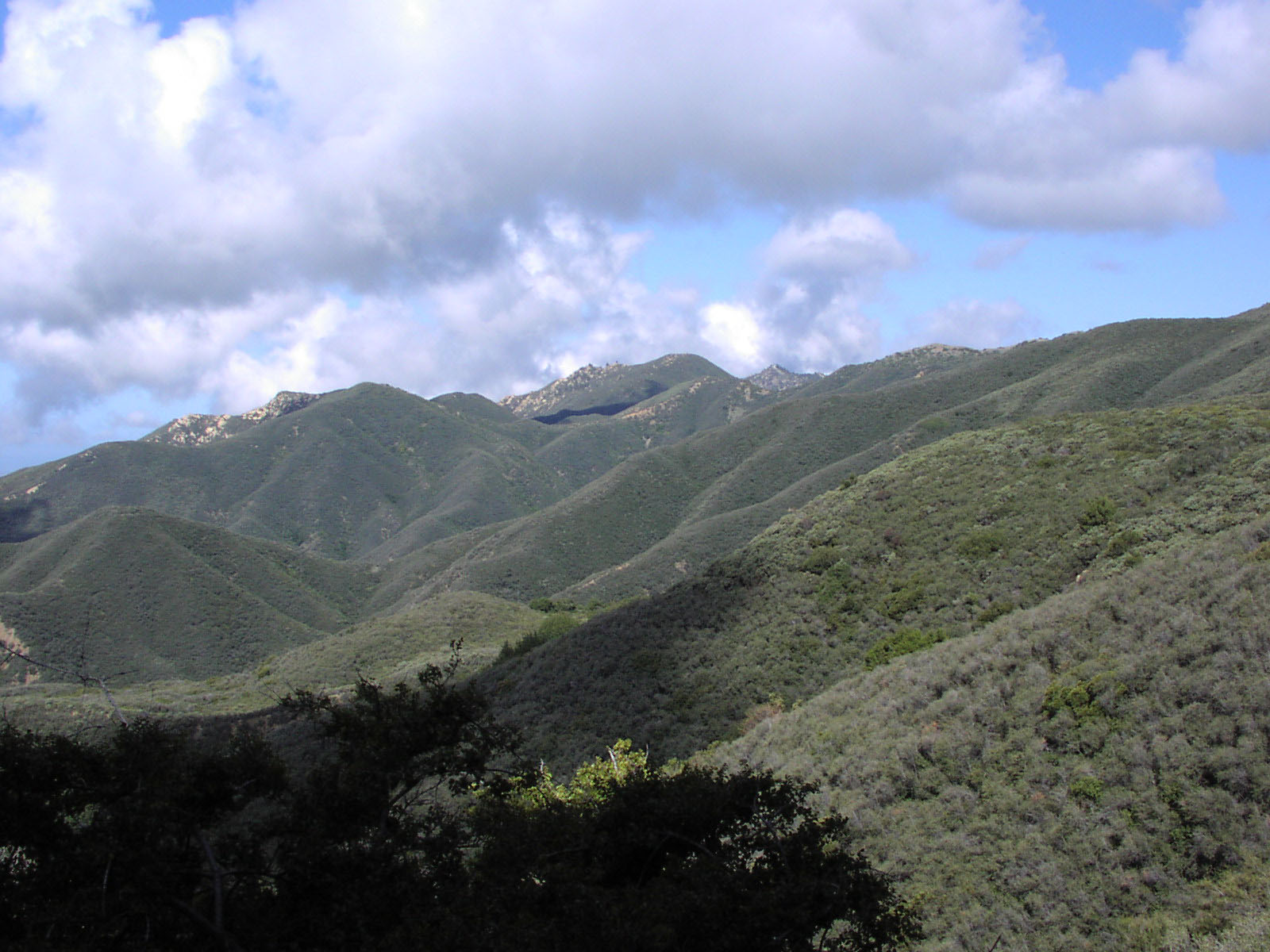
The chaparral is a special type of habitat found in places like Southern California, parts of Mexico, and the Mediterranean region. 🌞This area has really hot summers and mild, rainy winters. The word "chaparral" comes from the Spanish word for "thicket," meaning a dense area of shrubs. 🌿Chaparrals are home to many unique plants and animals that have adapted to live in this dry environment. It can be super dry, but when it rains, the landscape bursts with green and colorful flowers!
Explore with ChatDinoKey Points
Wildfires are a big part of the chaparral ecosystem!
Chaparral regions have a Mediterranean climate.
The chaparral has cultural importance too!
Chaparrals play a key role in the environment!
The chaparral is home to many animals!
Plants in the chaparral are unique!
A visit to a chaparral area can be lots of fun!
Chaparrals face threats from humans and climate change.
Photos of Chaparral

Old-growth chaparral more than a century old

Coastal sage scrub in San Diego County

An old-growth manzanita, a classic member of the chaparral plant community

Wrentit, the most characteristic bird of the chaparral

Transmontane chaparral in the Laguna Mountains, Cleveland National Forest

Chamise (Adenostoma fasciculatum) resprouting after a high-intensity chaparral fire

Wildflower display after the 2007 Witch Creek Fire, San Diego County, California

Impact of high fire frequency: chaparral/sage scrub type converted to non-native grassland
🔥 Adaptations To Fire
Wildfires are a big part of the chaparral ecosystem! 🔥Many plants have special adaptations that help them survive. Some seeds need heat to open and grow! For example, the lodgepole pine only releases its seeds after being burned. 🌲This helps the plants to spread after a fire. Other plants have thick bark that protects them from flames. After a fire, the ecosystem becomes very vibrant and alive again, showing how beautifully nature can recover! 🌈
Go deeper🌤️ Climate And Geography
Chaparral regions have a Mediterranean climate. 🌤️ This means long, hot, and dry summers, with temperatures sometimes reaching over 100°F (38°C)! ❄️ In the winter, the weather is mild and it rains. Locations like the Santa Monica Mountains in California are classic chaparral areas. The soil can be rocky, making it hard for some plants to grow. 🌍Every few years, wildfires occur, which helps some plants to thrive and clears out old, dead vegetation.
Go deeper🌼 Cultural Significance
The chaparral has cultural importance too! 🌼Native American tribes often used plants like sage and acorns for food and medicine. Today, many people enjoy visiting chaparral areas for hiking, camping, and bird watching. 🥾✨ The stunning landscapes inspire artists to create beautiful paintings and photographs. Stories about chaparral wildlife help teach the next generation about this amazing habitat! 📚
Go deeper🌍 Ecological Importance
Chaparrals play a key role in the environment! 🌍They help prevent soil erosion and provide a home for many animals. The vegetation captures carbon dioxide, which helps fight climate change! 🌱These habitats also act like a sponge, soaking up rainwater and helping to prevent floods. Through their complex ecosystems, chaparrals support biodiversity and contribute to the overall balance of nature. 🦋
Go deeper🦊 Fauna Of The Chaparral
The chaparral is home to many animals! 🦊You can find creatures like coyotes, rabbits, and California quail. 🐇Birds like the endangered California gnatcatcher make their homes in this habitat too! Some of these animals can hide in the bushes to stay safe from predators. Many animals are nocturnal, meaning they come out at night when it's cooler. The bobcat is another fascinating resident! 🐱They are super stealthy hunters and blend perfectly with their environment.
Go deeper🌿 Flora Of The Chaparral
Plants in the chaparral are unique! 🌿Some common ones include scrub oak, manzanita, and wild lavender. 🌸These plants have thick, waxy leaves to reduce water loss. Others, like the California sagebrush, have a strong scent that helps reduce evaporation. Most chaparral plants can grow back quickly after wildfires. For example, the Ceanothus plant sprouts new growth from its roots within days! 🌱This means chaparral can come back to life after a fire, making it a very interesting ecosystem!
Go deeper🥾 Recreational Activities
A visit to a chaparral area can be lots of fun! 🥾You can go hiking on trails to explore the unique plants and animals. Birdwatchers love spotting various species like the hummingbird and the California condor! 🐦Some people even go mountain biking or horseback riding on the trails. Remember to leave no trace and help keep these wild spaces clean, so everyone can enjoy them for years to come! 🌳✨
Go deeper🏙️ Conservation And Threats
Chaparrals face threats from humans and climate change. 🏙️ Urban development and pollution are leading to habitat loss, making it harder for plants and animals to survive. 🌍Climate change causes hotter temperatures and less rain, which can change how well chaparral grows. Many groups are working to conserve these ecosystems. 👐By protecting chaparral lands, we can help the special plants and animals that call it home!
Go deeper