All Articles

Chandragupta Maurya

Chandragupta Maurya Facts For Kids

Chandragupta Maurya was an ancient Indian emperor who founded the Maurya Empire, unifying much of the Indian subcontinent and establishing a centralized government.
🎨 Reading age for 6-8
Background blob
Chandragupta Maurya
Facts for Kids!
Image by Photo Dharma from Penang, Malaysia, licensed under Creative Commons Attribution 2.0

Do more with AI

Introduction

Chandragupta Maurya was a powerful ruler in ancient India! 🏰He lived a long time ago, from around 340 BCE to 297 BCE. Chandragupta founded the Maurya Empire and was the first emperor of India. He is important because he united many small kingdoms into one big empire. His capital city was Pataliputra (modern-day Patna in India). 🌏Under his rule, Chandragupta made many changes to improve the lives of his people, and his story shows bravery and smart leadership!

Images of Chandragupta Maurya

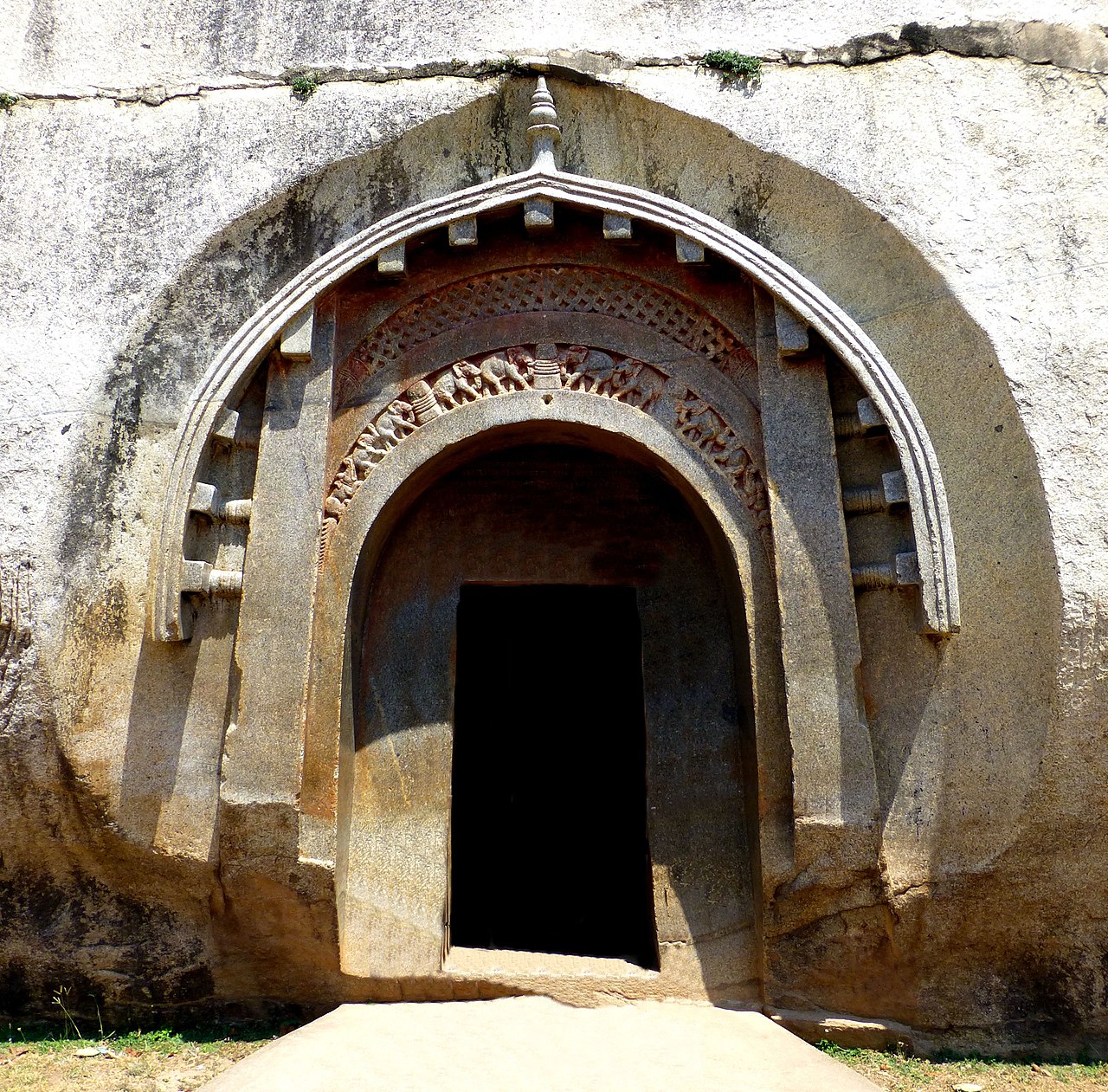
Photos of Chandragupta MauryaImage by mself, licensed under Creative Commons Attribution-Share Alike 2.5
Possible extent of Nanda Empire, c. 325 BCE.Image by Avantiputra7, licensed under Creative Commons Attribution-Share Alike 3.0

Possible extent of Nanda Empire, c. 325 BCE.

There are no contemporary records of Chandragupta's military conquests and the reach of his empire. The extent is deduced from Greek and Roman historians and religious Indian texts, all written centuries after his death. Based on these, Chandragupta's empire was extensive,[1][4][5] here conceptualized at c. 303 BCE as a network of core areas and trade- and communication-networks.[a][b]Image by Avantiputra7, licensed under Creative Commons Attribution-Share Alike 4.0

There are no contemporary records of Chandragupta's military conquests and the reach of his empire. The extent is deduced from Greek and Roman historians and religious Indian texts, all written centuries after his death. Based on these, Chandragupta's empire was extensive,[1][4][5] here conceptualized at c. 303 BCE as a network of core areas and trade- and communication-networks.[a][b]

Traditional representation of extent of Chandragupta Maurya's empire c. 303 BCE, as a solid mass of territory.[c][b] Some maps include all of Gedrosia, e.g., south-east Iran.Image by Avantiputra7, licensed under Creative Commons Attribution-Share Alike 4.0

Traditional representation of extent of Chandragupta Maurya's empire c. 303 BCE, as a solid mass of territory.[c][b] Some maps include all of Gedrosia, e.g., south-east Iran.

7th-century Bhadrabahu inscription at Shravanabelagola (Sanskrit, Purvahale Kannada script). This is the oldest inscription at the site, and it mentions Bhadrabahu and Prabhacandra. Lewis Rice and Digambara Jains interpret Prabhacandra to be Chandragupta Maurya, while others such as J F Fleet, V. R. Ramachandra Dikshitar, and Svetambara Jains state this interpretation is wrong.[33][21][22]Image by Ms Sarah Welch, licensed under Creative Commons Attribution-Share Alike 4.0

7th-century Bhadrabahu inscription at Shravanabelagola (Sanskrit, Purvahale Kannada script). This is the oldest inscription at the site, and it mentions Bhadrabahu and Prabhacandra. Lewis Rice and Digambara Jains interpret Prabhacandra to be Chandragupta Maurya, while others such as J F Fleet, V. R. Ramachandra Dikshitar, and Svetambara Jains state this interpretation is wrong.[33][21][22]

Late Vedic era map showing the boundaries of Āryāvarta with Janapadas in northern India. Beginning of Iron Age kingdoms in India—Kuru, Panchala, Kosala, Videha.Image by Avantiputra7, licensed under Creative Commons Attribution-Share Alike 3.0

Late Vedic era map showing the boundaries of Āryāvarta with Janapadas in northern India. Beginning of Iron Age kingdoms in India—Kuru, Panchala, Kosala, Videha.

Chandragupta's guru was Chanakya, with whom he studied as a child and with whose counsel he built the Empire. This image is a 1915 attempt at depicting Chanakya.

Chandragupta's guru was Chanakya, with whom he studied as a child and with whose counsel he built the Empire. This image is a 1915 attempt at depicting Chanakya.

Malan Range and limit of ceded territory according to Tarn (1922)

Malan Range and limit of ceded territory according to Tarn (1922)

1,300-year-old Shravanabelagola relief shows death of Chandragupta after taking the vow of Sallekhana. Some consider it about the legend of his arrival with Bhadrabahu.[33][21][22]Image by Jain cloud, licensed under Creative Commons Attribution-Share Alike 4.0

1,300-year-old Shravanabelagola relief shows death of Chandragupta after taking the vow of Sallekhana. Some consider it about the legend of his arrival with Bhadrabahu.[33][21][22]

Photos of Chandragupta MauryaImage by mself, licensed under Creative Commons Attribution-Share Alike 2.5
Possible extent of Nanda Empire, c. 325 BCE.Image by Avantiputra7, licensed under Creative Commons Attribution-Share Alike 3.0

Possible extent of Nanda Empire, c. 325 BCE.

There are no contemporary records of Chandragupta's military conquests and the reach of his empire. The extent is deduced from Greek and Roman historians and religious Indian texts, all written centuries after his death. Based on these, Chandragupta's empire was extensive,[1][4][5] here conceptualized at c. 303 BCE as a network of core areas and trade- and communication-networks.[a][b]Image by Avantiputra7, licensed under Creative Commons Attribution-Share Alike 4.0

There are no contemporary records of Chandragupta's military conquests and the reach of his empire. The extent is deduced from Greek and Roman historians and religious Indian texts, all written centuries after his death. Based on these, Chandragupta's empire was extensive,[1][4][5] here conceptualized at c. 303 BCE as a network of core areas and trade- and communication-networks.[a][b]

Traditional representation of extent of Chandragupta Maurya's empire c. 303 BCE, as a solid mass of territory.[c][b] Some maps include all of Gedrosia, e.g., south-east Iran.Image by Avantiputra7, licensed under Creative Commons Attribution-Share Alike 4.0

Traditional representation of extent of Chandragupta Maurya's empire c. 303 BCE, as a solid mass of territory.[c][b] Some maps include all of Gedrosia, e.g., south-east Iran.

7th-century Bhadrabahu inscription at Shravanabelagola (Sanskrit, Purvahale Kannada script). This is the oldest inscription at the site, and it mentions Bhadrabahu and Prabhacandra. Lewis Rice and Digambara Jains interpret Prabhacandra to be Chandragupta Maurya, while others such as J F Fleet, V. R. Ramachandra Dikshitar, and Svetambara Jains state this interpretation is wrong.[33][21][22]Image by Ms Sarah Welch, licensed under Creative Commons Attribution-Share Alike 4.0

7th-century Bhadrabahu inscription at Shravanabelagola (Sanskrit, Purvahale Kannada script). This is the oldest inscription at the site, and it mentions Bhadrabahu and Prabhacandra. Lewis Rice and Digambara Jains interpret Prabhacandra to be Chandragupta Maurya, while others such as J F Fleet, V. R. Ramachandra Dikshitar, and Svetambara Jains state this interpretation is wrong.[33][21][22]

Late Vedic era map showing the boundaries of Āryāvarta with Janapadas in northern India. Beginning of Iron Age kingdoms in India—Kuru, Panchala, Kosala, Videha.Image by Avantiputra7, licensed under Creative Commons Attribution-Share Alike 3.0

Late Vedic era map showing the boundaries of Āryāvarta with Janapadas in northern India. Beginning of Iron Age kingdoms in India—Kuru, Panchala, Kosala, Videha.

Chandragupta's guru was Chanakya, with whom he studied as a child and with whose counsel he built the Empire. This image is a 1915 attempt at depicting Chanakya.

Chandragupta's guru was Chanakya, with whom he studied as a child and with whose counsel he built the Empire. This image is a 1915 attempt at depicting Chanakya.

Malan Range and limit of ceded territory according to Tarn (1922)

Malan Range and limit of ceded territory according to Tarn (1922)

1,300-year-old Shravanabelagola relief shows death of Chandragupta after taking the vow of Sallekhana. Some consider it about the legend of his arrival with Bhadrabahu.[33][21][22]Image by Jain cloud, licensed under Creative Commons Attribution-Share Alike 4.0

1,300-year-old Shravanabelagola relief shows death of Chandragupta after taking the vow of Sallekhana. Some consider it about the legend of his arrival with Bhadrabahu.[33][21][22]

Photos of Chandragupta MauryaImage by mself, licensed under Creative Commons Attribution-Share Alike 2.5
Possible extent of Nanda Empire, c. 325 BCE.Image by Avantiputra7, licensed under Creative Commons Attribution-Share Alike 3.0

Possible extent of Nanda Empire, c. 325 BCE.

There are no contemporary records of Chandragupta's military conquests and the reach of his empire. The extent is deduced from Greek and Roman historians and religious Indian texts, all written centuries after his death. Based on these, Chandragupta's empire was extensive,[1][4][5] here conceptualized at c. 303 BCE as a network of core areas and trade- and communication-networks.[a][b]Image by Avantiputra7, licensed under Creative Commons Attribution-Share Alike 4.0

There are no contemporary records of Chandragupta's military conquests and the reach of his empire. The extent is deduced from Greek and Roman historians and religious Indian texts, all written centuries after his death. Based on these, Chandragupta's empire was extensive,[1][4][5] here conceptualized at c. 303 BCE as a network of core areas and trade- and communication-networks.[a][b]

Traditional representation of extent of Chandragupta Maurya's empire c. 303 BCE, as a solid mass of territory.[c][b] Some maps include all of Gedrosia, e.g., south-east Iran.Image by Avantiputra7, licensed under Creative Commons Attribution-Share Alike 4.0

Traditional representation of extent of Chandragupta Maurya's empire c. 303 BCE, as a solid mass of territory.[c][b] Some maps include all of Gedrosia, e.g., south-east Iran.

7th-century Bhadrabahu inscription at Shravanabelagola (Sanskrit, Purvahale Kannada script). This is the oldest inscription at the site, and it mentions Bhadrabahu and Prabhacandra. Lewis Rice and Digambara Jains interpret Prabhacandra to be Chandragupta Maurya, while others such as J F Fleet, V. R. Ramachandra Dikshitar, and Svetambara Jains state this interpretation is wrong.[33][21][22]Image by Ms Sarah Welch, licensed under Creative Commons Attribution-Share Alike 4.0

7th-century Bhadrabahu inscription at Shravanabelagola (Sanskrit, Purvahale Kannada script). This is the oldest inscription at the site, and it mentions Bhadrabahu and Prabhacandra. Lewis Rice and Digambara Jains interpret Prabhacandra to be Chandragupta Maurya, while others such as J F Fleet, V. R. Ramachandra Dikshitar, and Svetambara Jains state this interpretation is wrong.[33][21][22]

Late Vedic era map showing the boundaries of Āryāvarta with Janapadas in northern India. Beginning of Iron Age kingdoms in India—Kuru, Panchala, Kosala, Videha.Image by Avantiputra7, licensed under Creative Commons Attribution-Share Alike 3.0

Late Vedic era map showing the boundaries of Āryāvarta with Janapadas in northern India. Beginning of Iron Age kingdoms in India—Kuru, Panchala, Kosala, Videha.

Chandragupta's guru was Chanakya, with whom he studied as a child and with whose counsel he built the Empire. This image is a 1915 attempt at depicting Chanakya.

Chandragupta's guru was Chanakya, with whom he studied as a child and with whose counsel he built the Empire. This image is a 1915 attempt at depicting Chanakya.

Malan Range and limit of ceded territory according to Tarn (1922)

Malan Range and limit of ceded territory according to Tarn (1922)

1,300-year-old Shravanabelagola relief shows death of Chandragupta after taking the vow of Sallekhana. Some consider it about the legend of his arrival with Bhadrabahu.[33][21][22]Image by Jain cloud, licensed under Creative Commons Attribution-Share Alike 4.0

1,300-year-old Shravanabelagola relief shows death of Chandragupta after taking the vow of Sallekhana. Some consider it about the legend of his arrival with Bhadrabahu.[33][21][22]

Rise To Power

Chandragupta started out as a young warrior. 🎖️ With the help of a clever teacher named Chanakya, he gathered an army to defeat the Nanda dynasty, the rulers at the time. Chanakya believed in Chandragupta's vision and taught him important lessons about strategy and leadership. They worked together to create a big and powerful empire. Chandragupta’s rise to power was marked by bravery, clever planning, and a little bit of luck! 🍀

Legacy And Impact

Chandragupta Maurya left behind a great legacy! 🌟After his rule, the Maurya Empire continued to grow and prosper, with his grandson Ashoka becoming one of the most famous rulers in history. People remember him for uniting India and making it stronger. His ideas about governance are still studied today! Chandragupta inspires leaders around the world to work for the good of their people.

Historical Context

Before Chandragupta took charge, India was divided into many smaller kingdoms. This made it hard for people to trade and be safe. 😬During the 4th century BCE, a tough ruler named Alexander the Great invaded parts of India. After he left, Chandragupta saw an opportunity and decided to gather people to form a strong kingdom. He was inspired by the aim of bringing peace and order to the land.

Military Strategies

Chandragupta was a brilliant military leader! ⚔️ He trained his army to be strong and ready for battles. He used elephants in his army, which were huge and powerful! 🐘His strategies included surprise attacks and clever planning. Plus, he built fortresses to keep his empire safe. Because he was smart in battles, he expanded his empire and maintained control over conquered lands.

The Role Of Chanakya

Chanakya, also known as Kautilya, was a wise teacher and advisor to Chandragupta. 📚He was very knowledgeable and helped Chandragupta with important ideas about ruling and winning battles. Chanakya wrote a famous book called the "Arthashastra," which gave advice on politics and economics. Their teamwork made the Maurya Empire strong and successful! Chanakya's influence was very important in establishing Chandragupta's reign.

Cultural Contributions

Chandragupta's reign also saw cultural growth! 🎨He encouraged art, literature, and science. People made beautiful sculptures and wrote amazing stories. The Maurya Empire also promoted trade, allowing ideas and cultures to mix. This period helped shape the rich culture of India! Many temples and monuments were built, showcasing the creativity of artists. Chandragupta helped create a vibrant society that still influences India today!

Reign Of Chandragupta Maurya

Chandragupta became the king of the Maurya Empire after defeating the Nandas. 👑His reign lasted for about 24 years. He made laws that helped people live peacefully. He also worked on building roads and trade routes so that people could travel and trade easily. The empire grew to cover much of northern India! Chandragupta was known for treating his subjects well and was loved by many. 😊

Administration And Governance

Chandragupta was a smart king who believed in good governance. 🏛️ He set up a system of officials to help run the empire. Each official had special duties, such as collecting taxes or maintaining law and order. This helped keep everything organized! Chandragupta also listened to his people's needs and made rules to protect them. His strategies paved the way for a solid government that lasted for many years!

Did you know?

🛡️ Chandragupta Maurya was the founder of the Maurya Empire in ancient India.

📜 He was a contemporary of Alexander the Great, who influenced his rise to power.

🌍 Chandragupta united most of the Indian subcontinent under one rule.

🇮🇳 His reign marked the first time most of India was politically unified.

🌱 He was known for his administrative skills and establishment of a centralized government.

⚔️ Chandragupta famously defeated the Nanda Dynasty to establish his rule.

🧘‍♂️ He later became a follower of Jainism and abdicated in favor of his son.

🏰 The capital of his empire was Pataliputra, present-day Patna.

👑 Chandragupta's rule was characterized by prosperity, trade, and cultural advancements.

📖 His life and achievements are detailed in several ancient texts, including the Arthashastra.

Chandragupta Maurya Quiz

Q1
Question 1 of 10

Learn more about Chandragupta Maurya

Ready to create?

Make

To create a safe space for kid creators worldwide!

Create

Vibe Coding

Kids GPT

All Tools

Kibu

Resources

Worksheets

SafeTube

Blog

FAQ

Account

Pricing

Log-in

Sign-up

Data Deletion

Company

About

Community Guidelines

Privacy Policy

Terms of Service

2025, URSOR LIMITED. All rights reserved. DIY is in no way affiliated with Minecraft™, Mojang, Microsoft, Roblox™ or YouTube. LEGO® is a trademark of the LEGO® Group which does not sponsor, endorse or authorize this website or event. Made with love in San Francisco.