Chamber Music Facts For Kids
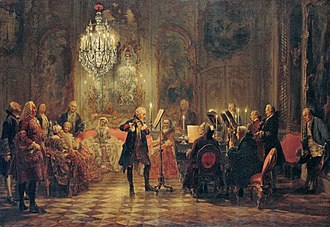
Chamber music is a form of classical music that is composed for a small group of instruments, traditionally performed in intimate settings.
Select reading age
Chamber Music Facts For Kids
Videos & Quizzesincluded
About this topic
Chamber music is a special type of classical music made for a small group of musicians, often in cozy settings like living rooms or chambers. 🎻These performances usually include two to ten instruments, offering a close and personal experience. Some common instruments in chamber music are violins, cellos, and pianos. 🎶This type of music is known for its beautiful harmonies and teamwork, as players listen closely to each other. It is like a musical conversation! Chamber music is often played at concerts and festivals around the world, bringing joy to audiences of all ages. 🌍
Explore with ChatDinoKey Points
Chamber music requires musicians to work together in special ways!
Chamber music festivals are exciting opportunities for musicians and audiences all over the world!
Chamber music dates back to the 15th century in Europe!
Many chamber music pieces are well-loved and performed around the world!
Many wonderful recordings of chamber music are available for everyone to enjoy!
Chamber music has greatly influenced various types of music we hear today!
Several great composers have shaped chamber music throughout history!
Chamber music ensembles come in various groups, each with unique sounds!
Chamber music is a fantastic way for kids to learn about music!
Photos of Chamber Music

Chamber Music — photo 1

Plato, Aristotle, Hippocrates and Galen play a piece on viols in this fanciful woodcut from 1516.

Johann Sebastian Bach in 1746, with riddle canon

Baroque musicians playing a trio sonata, 18th-century anonymous painting

Gnome-mime-audio-openclipart

Copy of a pianoforte from 1805

Manuscript of the "Ghost" Trio, Op. 70, No. 1, by Beethoven

Chamber Music — photo 8

Violinist Joseph Joachim and pianist Clara Schumann. Joachim and Schumann debuted many of the chamber works of Robert Schumann, Johannes Brahms and others.
🎶 Performance Practices
Chamber music requires musicians to work together in special ways! 🎶Musicians must listen carefully to each other, like a team, to create harmony. They often play without a conductor, relying on eye contact and body language to lead the performance. 👀Timing and rhythm are very important! Musicians also use "rehearsals," where they practice together to discover each piece's emotions and dynamics. 🎻While performing, musicians need to perform with expression and feeling, helping to tell a story through music. These practices build strong connections and can make chamber music performances really magical! ✨
Go deeper🎉 Chamber Music Festivals
Chamber music festivals are exciting opportunities for musicians and audiences all over the world! 🎉One of the famous festivals is the Chamber Music Society of Lincoln Center in New York City, which showcases talented performers. 🌆The Melbournea Chamber Music Festival in Australia brings together musicians to celebrate this beautiful art. 🎻Another popular event is the BBC Proms, held in London, where performers play fabulous chamber works! 🎺These festivals invite audiences to enjoy concerts, workshops, and masterclasses. They help spread the love of chamber music while inspiring future musicians! 🎓
Go deeper🎉 History Of Chamber Music
Chamber music dates back to the 15th century in Europe! 🎉Originally, nobles enjoyed small performances in their grand homes or palaces. This tradition was popular in countries like Italy and Germany. One of the earliest forms of chamber music was the "consort," where musicians played in groups. 🎵During the 18th century, famous composers like Joseph Haydn and Wolfgang Amadeus Mozart wrote wonderful pieces that helped define chamber music. 🎼These composers created beautiful melodies and patterns, making chamber music famous for its elegance. Over time, many styles developed, giving us the diverse chamber music we hear today!
Go deeper🎼 Notable Chamber Music Works
Many chamber music pieces are well-loved and performed around the world! 🎼One famous work is Beethoven's "String Quartet No. 14", known for its emotional depth. Another beloved piece is Mozart's "Piano Quartet in G minor", celebrated for its lively melodies. 🎹Dvořák's "American Quartet" reflects the sounds of nature and folk music from America. 🎵Schumann's "Piano Quintet" is adored for its energetic spirit and beauty. These works are often seen in concerts and music festivals, capturing the hearts of audiences everywhere. 🌍They showcase the talent and creativity in chamber music!
Go deeper🎼 Famous Chamber Music Recordings
Many wonderful recordings of chamber music are available for everyone to enjoy! 🎼One famous recording is the "Beethoven String Quartets," performed by the Guarneri Quartet. Another classic is the "Dvořák Piano Quintet" recorded by the Emerson String Quartet. 🎻The "Mozart Piano Quartets" performed by the Cleveland Quartet is also well-loved. 📀These recordings capture the beauty and emotion of chamber music, making it accessible to listeners everywhere. With their rich melodies and harmony, these pieces invite listeners to experience the joy of chamber music from their homes! 🌟
Go deeper🎵 Influence On Contemporary Music
Chamber music has greatly influenced various types of music we hear today! 🎵Many modern genres, like jazz and pop, use small groups of musicians similar to chamber music ensembles. 🎷Some popular artists blend classical elements with contemporary styles, creating new and exciting sounds! For example, musicians like Yo-Yo Ma bring classical cello to cross-genre projects and explore different cultures. 🌍Additionally, film scores often incorporate chamber music to create emotion and set the scene. As you can see, the impact of chamber music continues to live on and evolve today! 🎉
Go deeper🎹 Major Composers Of Chamber Music
Several great composers have shaped chamber music throughout history! 🎹One of the biggest names is Ludwig van Beethoven. He wrote over 30 chamber pieces, changing the way music is created. Another important composer is Johannes Brahms, famous for his String Quartets. 🎻Then we have Claude Debussy, who brought a fresh, modern sound with his unique instrumentation! 🎶And let's not forget Wolfgang Amadeus Mozart, who wrote delightful pieces that remain popular. These composers used their creativity and talent to make chamber music exciting. Their works inspire musicians and listeners even today! 🌟
Go deeper🎤 Types Of Chamber Music Ensembles
Chamber music ensembles come in various groups, each with unique sounds! 🎤A string quartet is very popular; it has two violins, a viola, and a cello. 🎻There's also the piano trio, consisting of a piano, violin, and cello, creating a beautiful blend. The woodwind quintet includes flute, oboe, clarinet, bassoon, and horn, adding a different flair! 🎺Then we have brass ensembles, like the brass quintet, which includes two trumpets, horn, trombone, and tuba. Each ensemble brings its own character to the music, making each performance special and exciting! 🎉
Go deeper🎶 Educational Aspects Of Chamber Music
Chamber music is a fantastic way for kids to learn about music! 🎶It helps develop teamwork, as musicians must work closely with one another. Playing in small groups teaches kids how to listen carefully and share ideas. 🎼Children also learn about different instruments, music theory, and styles while practicing. Many schools encourage chamber music to foster creativity and build social skills! 🎓Young musicians can participate in youth ensembles and summer camps to gain experience. These educational experiences form strong bonds, making learning fun and inspiring! 🌈
Go deeper