Centimeter Facts For Kids
A centimeter is a metric unit of length equal to one hundredth of a meter, commonly used for measuring shorter distances.
Select reading age
Centimeter Facts For Kids
Videos & Quizzesincluded
About this topic
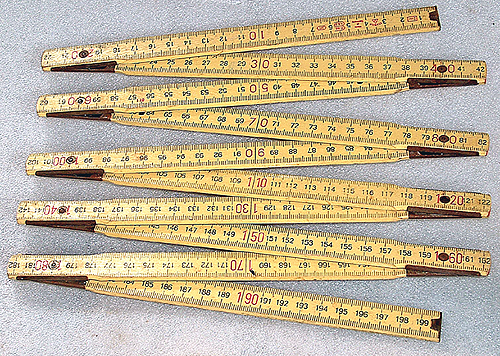
A centimeter (cm) is a tiny unit of measurement! 🧮It’s part of the metric system, which is used all over the world, except in the United States. One centimeter is equal to one hundredth of a meter. Imagine measuring something tiny, like a pencil! A standard pencil is about 17 centimeters long. You can use a ruler to measure objects in centimeters. Using centimeters helps us compare sizes easily. For example, a paperclip is about 3 centimeters long, while a smartphone may be around 15 centimeters! 📏Let’s dive deeper into this fascinating measuring tool!
Explore with ChatDinoKey Points
A centimeter is a unit that helps us figure out how long or short something is.
The centimeter has an interesting history!
Did you know that a centimeter is very handy for different animals?
Centimeters are used in many daily activities!
The metric system is a measuring system used in many countries, like Canada, Japan, and Australia!
When we measure with centimeters, we must be precise!
Centimeters are super useful in many professions!
Sometimes we need to convert centimeters to other measurements!
Want to have fun with centimeters?
Photos of Centimeter

Different lengths as in respect to the electromagnetic spectrum, measured by the metre and its derived scales. The microwave is in-between 1 meter to 1 millimeter.
🌟 What Is A Centimeter?
A centimeter is a unit that helps us figure out how long or short something is. 🌟It is part of the metric system which makes it convenient for measuring objects, especially in school science projects. Imagine you want to measure your favorite toy car. If it is 8 cm long, that means it is 8 centimeters from one end to the other! A fun fact is that 1 centimeter is about the width of a large paperclip or the diameter of a big marble. Isn’t that neat? This helps us understand how small or big something is, making measurement super fun! 🎲
Go deeper🏛️ History Of The Centimeter
The centimeter has an interesting history! 🏛️ It was created in France in the late 1700s. Scientists wanted a uniform way to measure things, so they made the metric system. The meter was defined first, and the centimeter followed as a smaller unit. A meter is about 39.37 inches long, while there are 100 centimeters in one meter. So, 1 cm equals 0.01 meters! The metric system spread around the globe, and today, many countries use centimeters for measurement, whether in schools or for everyday life! 🌍
Go deeper🐾 Fun Facts About Centimeters
Did you know that a centimeter is very handy for different animals? 🐾For example, a ladybug is usually about 1 cm wide! Isn’t that tiny? If you take ten pennies and stack them, they are almost 1 cm tall. 🌟Also, the length of a typical adult’s little finger is about 7–8 cm! Centimeters are also used in sports, like gymnastics, to measure the height of jumps and flips! 🏅So, next time you see something small or measure your toys, remember how many fun facts there are about centimeters!
Go deeper📅 Centimeters In Everyday Life
Centimeters are used in many daily activities! 📅When we go shopping, clothing sizes are often shown in centimeters. For example, a shirt might say it’s 50 cm wide. When you’re building or crafting, knowing centimeters helps you cut things to the right size. 📏For example, if you want a wooden plank to fit on your shelf, measuring it in cm helps you get it just right! Even when we decorate our rooms, measuring the distance between objects in centimeters makes sure everything looks great and fits perfectly. So, centimeters are everywhere around us!
Go deeper🍰 Metric System And Centimeters
The metric system is a measuring system used in many countries, like Canada, Japan, and Australia! 🇨🇦🇯🇵🇦🇺 It is based on units of ten, which makes it easy to convert between different sizes. For instance, 10 millimeters (mm) equals 1 centimeter (cm). In the metric system, you can also find meters (m) and kilometers (km). A kilometer is 1,000 meters, which is way longer than a centimeter! The metric system helps scientists because it is precise, so they can measure things accurately when doing experiments or when cooking recipes! 🍰
Go deeper🎯 Understanding Measurement Precision
When we measure with centimeters, we must be precise! 🎯This means being careful and accurate with our measurements! For example, if we say a book is 15 centimeters wide, we need to measure it correctly using a ruler. If we mismeasure, it might not fit in our backpack! 📚Precision helps us build things correctly, like a model airplane or even baking cakes! When scientists conduct experiments, they need to measure in centimeters to get precise results. So remember, being exact when measuring can make a big difference in the results! 🔍
Go deeper✏️ Practical Applications Of Centimeters
Centimeters are super useful in many professions! ✏️ Artists use centimeters for drawing and painting to make sure their work is the right size. Teachers use it to create bulletin board displays that fit perfectly in classrooms! 📚Also, doctors measure height in centimeters to check how children are growing. 🌱Engineers use it when designing buildings, ensuring every part is accurate. When you play with your building blocks, measuring the blocks in centimeters can help you create amazing structures that won’t fall down! It’s all about making everything fit just right!
Go deeper🔄 Conversions: Centimeters To Other Units
Sometimes we need to convert centimeters to other measurements! 🔄For example, if you want to know how many inches are in 10 cm, you can use the fact that 1 cm is about 0.39 inches. So, if you multiply 10 by 0.39, that means there are about 3.94 inches in 10 cm! Another common conversion is to meters. Remember, 100 cm equals 1 meter! If you want to find out how many cm are in 5 meters, just multiply 5 by 100, and you’ll see it's 500 cm. It’s like a magic measuring trick! 🎩
Go deeper🎉 Activities And Experiments With Centimeters
Want to have fun with centimeters? 🎉You can do many activities! Try measuring different objects in your house with a ruler, like your toys or books. 🧸Then, make a chart comparing their lengths in centimeters! You can also see how tall you and your friends are and compare it using centimeters. Another fun experiment is to create a centimeter scavenger hunt! Look for 5 items that are each a different length in centimeters around your home! 🌈Getting hands-on with centimeters will make you a measuring expert in no time! Happy measuring! 📏✨
Go deeper