Celtiberians Facts For Kids
The Celtiberians were a confederation of Celtic-speaking tribes in ancient Spain, known for their fierce resistance to Roman rule and rich cultural heritage.

Do more with AI
Introduction
The Celtiberians were ancient people who lived in the Iberian Peninsula, which is now Spain, around 200 B.C. to 100 A.D. 🌍They were a mix of Celtic tribes and the Iberian people. The Celtiberians were known for their fierce warriors, unique culture, and agricultural practices. They lived in small villages and were skilled in farming, raising crops like wheat and barley. 🌾They also raised animals such as sheep and pigs. The Celtiberians played a key role in the history of Spain and were famous for their bravery, especially against the Romans during the conquest of Hispania! ⚔️
Images of Celtiberians

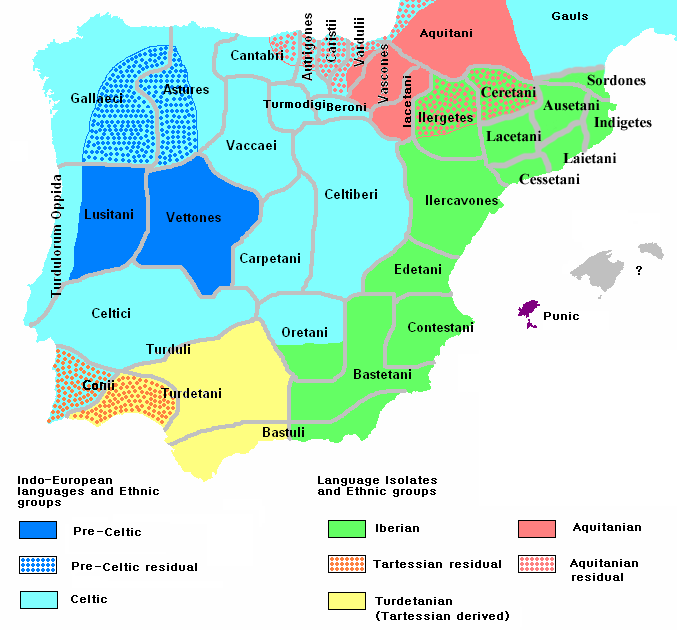
Territory of the Celtiberi with possible location of tribes

Bronze Celtiberian fibula representing a warrior (3rd–2nd century BC)

Celtiberian biglobular daggers

Celtiberian antennas swords

Engraving of the Siege of Numantia

Botorrita plaque: one of four bronze plates with inscriptions.
Economy And Trade
Celtiberians were excellent farmers and traders! 🍞They grew crops like wheat, barley, and olives and raised animals, which provided food and resources. Livestock such as sheep and cattle were vital for trade and daily life. 🐑🐄 They traded goods like pottery, textiles, and metals with neighboring tribes and cultures, including the Romans and Greeks. The trade routes often crossed the river valleys, making transport easier. 🚚Their access to natural resources helped them create tools and weapons, supporting both their economy and their resistance against invaders. Trade helped spread their culture and made them an important part of ancient history! 🌐
Culture And Society
Celtiberian society was vibrant and rich in culture. They were known for their craftsmanship, creating beautiful pottery, weapons, and jewelry. 🎨Celtiberians also enjoyed music and dance and celebrated festivals with feasts. They dressed in woolen clothes and were skilled horse riders. 🐎Family was important to them, and they often lived in extended families. They believed in many gods and had rituals celebrating nature, like the harvest. Their artwork often showed animals, indicating their close relationship with nature and farming. 🌿They were also skilled metalworkers, creating tools and ornaments from bronze and iron. ⚒️
History And Origins
The origins of the Celtiberians date back to around the 3rd century B.C. when Celtic tribes from Europe migrated to the Iberian Peninsula. 🌄They settled in regions like modern-day Aragon and Castilla-La Mancha. They lived in hill forts, which helped to protect them from enemies. 🏰The Celtiberians fought against the Romans during the Second Punic War. One famous battle was the Siege of Numantia in 133 B.C., where the Celtiberians bravely defended their city against Roman forces led by Scipio Aemilianus. Despite their courage, they eventually lost, but their spirit remains part of Spain's history! 📜
Religion And Beliefs
Celtiberians believed in many gods and goddesses who represented nature, war, and fertility. 🌙They often worshipped deities like Endovelicus, who was associated with healing and the underworld, and Belenus, the god of light and healing. Their religion involved rituals, sacrifices, and festivals. People believed that these practices would bring them good fortune, victories in battles, and healthy crops. 🌻They constructed sacred spaces called "santuarios," where they made offerings to the gods. Celtic mythology influenced their beliefs, making them a fascinating people connected to their environment and the spiritual world! 🌏
Language And Writing Systems
The Celtiberians spoke a language called Celtiberian, which is part of the Celtic branch of languages. 📚This language is different from Spanish but shares some similarities. They used a special writing system that combined Greek and Iberian scripts. 🖊️ Much of what we know comes from inscriptions found on stones and pottery. The writing system used characters that looked like letters and symbols, making it unique. Though most Celtiberian writings have been lost over time, historians study the inscriptions to learn about their life and culture! Understanding their language helps us connect with their history! 🌟
Legacy And Modern Perspectives
The legacy of the Celtiberians is still significant today! Many modern Spanish people can trace their ancestry back to the Celtiberians, and their influence can be seen in language, art, and traditions. 🇪🇸 The ancient hill forts and archaeological sites, like Numantia, are important historical landmarks, attracting visitors and researchers. 🏺Celtiberian designs and mythology often inspire contemporary art. The bravery of the Celtiberians against the Romans is remembered in stories and legends, celebrating their spirit. 🌈Historians continue to study their culture, showing how these ancient people shaped the history of Spain and influenced future generations! 🌍
Interactions With Other Cultures
The Celtiberians had many interactions with neighboring cultures like the Greeks, Phoenicians, and Romans. 🌊Traders brought goods like wine, pottery, and tools, influencing Celtiberian life. They also adopted some aspects of these cultures, such as new farming techniques. However, they fiercely resisted Roman conquest, especially during the Second Punic War. 🇪🇸 One famous Celtiberian leader, Viriathus, led his people against the Romans in the 2nd century B.C. Despite their bravery, the Celtiberians were eventually conquered by Rome, which changed their way of life! Their legacy can still be felt in modern Spanish culture! 🌟
Military Organization And Warfare
Celtiberians were known for their military strength and bravery! ⚔️ They formed tribes that worked together to defend their homes, using clever tactics and strategies. Their warriors were well-trained and used weapons like swords, spears, and slingshots. 🛡️ One famous battle was the Siege of Numantia, where they held out against a much larger Roman army for years. 🔥They wore armor made from bronze and used shields decorated with unique designs. The Celtiberians also rode horses, which made them fast and powerful on the battlefield. Their fierce spirit in battle inspired many tales, showing their importance in history! 🏇
Celtiberians Quiz
Learn more about Celtiberians
