Celastraceae Facts For Kids
Celastraceae is a family of plants that includes 98 genera and over 1,350 species of herbs, vines, shrubs, and small trees, mostly found in tropical and subtropical regions.
Select reading age
Celastraceae Facts For Kids
Videos & Quizzesincluded
About this topic
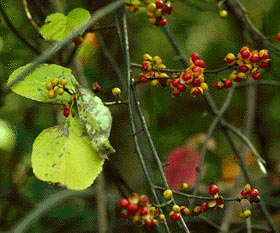
Celastraceae is a cool family of plants that includes around 98 different types of plants and about 1,350 species! 🌿These plants can be herbs, vines, shrubs, or even small trees. They belong to a group called Celastrales. You can find them in many places around the world, especially in tropical areas like Africa and South America! There are some that are also found in North America and Asia. This family is known for its bright and colorful fruits, which can attract animals and insects! 🍎
Explore with ChatDinoKey Points
One notable species in the Celastraceae family is the Burning Bush (Euonymus alatus).
Many Celastraceae plants are doing well, but some are facing challenges.
Some Celastraceae plants are even tasty!
In some cultures, Celastraceae plants have special meanings!
Celastraceae plants are super important for nature!
Celastraceae plants are not only pretty but also valuable!
Plants in the Celastraceae family have some interesting features!
Celastraceae plants love different environments!
In the Celastraceae family, scientists have put these plants into groups called genera.
Many cultures use plants from the Celastraceae family for traditional medicine.
🌳 Notable Species
One notable species in the Celastraceae family is the Burning Bush (Euonymus alatus). 🌳This plant is famous for its bright red foliage in the fall. Another interesting species is Celastrus orbiculatus, commonly called Oriental Bittersweet; it's a climbing vine that can spread quickly! 🐍Each species has its own unique attributes and plays a different role in the ecosystem. Learning about them helps us appreciate the diversity in nature! 📚✨
Go deeper🌱 Conservation Status
Many Celastraceae plants are doing well, but some are facing challenges. 🌱Deforestation and habitat loss can threaten certain species. Some are endangered and need our help! Conservation efforts, like protecting forests and planting new trees, can help ensure these beautiful plants continue to flourish for years to come. Every little action counts in protecting our planet! 🌏✊
Go deeper🍽️ Culinary Applications
Some Celastraceae plants are even tasty! 🍽️ For example, the fruits of a species called Celastrus are sometimes used in traditional dishes. They can add a zingy flavor to food! While not all plants in this family are edible, those that are can be included in salads, desserts, or made into juices! Just like with medicine, make sure to ask an adult before trying new plants in your food! 🌈
Go deeper🌺 Cultural Significance
In some cultures, Celastraceae plants have special meanings! 🌺For example, the bright colors of their fruits are often symbols of life and fertility. Some species are used in ceremonies or as decorations during festivals. 🌼Others are seen as lucky or bring good fortune! These plants remind us of the importance of nature in our lives and cultures, bringing beauty and joy to people everywhere! 🌈🌍
Go deeper🌍 Ecological Importance
Celastraceae plants are super important for nature! 🌍Their bright fruits attract animals, particularly birds, which help spread seeds all over the place. This helps create new plants and keeps the ecosystem healthy! Many of these plants also provide food and shelter for insects and other animals. 🌿Additionally, they play a role in preventing soil erosion, which means they help keep the ground firm and prevent landslides.
Go deeper💰 Economic Significance
Celastraceae plants are not only pretty but also valuable! 💰They can be used in landscaping, making gardens beautiful. Some species produce fibers that can be used to make materials or ropes! The natural beauty of these plants also helps bring tourists to parks and gardens, which can support local economies. 🌺People love visiting places where they can see colorful flowers and fruits!
Go deeper🌸 Morphological Features
Plants in the Celastraceae family have some interesting features! They often have small, bright flowers that can be white, pink, or yellow and grow in clusters. 🌸Their fruits can be colorful, too, often red or orange, which helps attract birds who eat the fruit and spread the seeds! The leaves are usually green and can be a bit waxy, making them shine in the sunlight. Some plants even have spiky or fuzzy stems. These traits help the plants survive in their homes! 🌞
Go deeper🌏 Habitat And Distribution
Celastraceae plants love different environments! Some can be found in lush rainforests, while others thrive in dry regions or even rocky areas. 🌏You'll find them in places like continents of Africa, Asia, and the Americas. In fact, some of the most common species grow in parts of North America, like the eastern United States! These plants grow best in warm climates, but some can even survive cold weather! ❄️
Go deeper🌳 Taxonomy And Classification
In the Celastraceae family, scientists have put these plants into groups called genera. Each genus has its own unique plants. For example, one well-known genus is Euonymus, which has beautiful shrubs and small trees. 🌳Another is Celastrus, which has amazing climbing vines. The process of classifying plants helps scientists understand how these plants relate to one another and helps them keep track of all the different species within the family! 📚
Go deeper🌱 Uses In Traditional Medicine
Many cultures use plants from the Celastraceae family for traditional medicine. 🌱For example, the bark of some species is used to make medicine that helps with tummy troubles! People from different parts of the world use these plants to treat things like fevers, headaches, and even cuts! However, always remember to talk to an adult before using any plants for health purposes. Safety first! 🚑
Go deeper