Ceiba Pentandra Facts For Kids
Ceiba pentandra, commonly known as the kapok tree, is a towering tropical tree native to regions like Mexico and West Africa, distinguished by its massive trunk, large palmate leaves, and fluffy seed pods.
Select reading age
Ceiba Pentandra Facts For Kids
Videos & Quizzesincluded
About this topic
Ceiba pentandra, also known as the Kapok tree 🌳, is a giant tree that grows in tropical areas! It can reach up to 70 meters (230 feet) high—wow! 🌟This tree is famous for its fluffy, cotton-like fiber found inside its pods. The fibers are light and used to fill pillows and life jackets! Kapok trees have broad, finger-like leaves that provide shade to many animals. They are found in Mexico, Central America, the Caribbean, and even West Africa! 🗺️ The Kapok tree is not just big; it plays an important role in the rainforests where it is often found.
Explore with ChatDinoKey Points
The Kapok tree plays a big role in the ecosystem!
Here are some fun facts about the Kapok tree!
The Kapok tree is currently not endangered, but it still needs our help!
Wow, the Kapok tree is a sight to see!
The Kapok tree is really special in many cultures!
While Kapok trees are not endangered now, they face some challenges!
Did you know that the fluffy fiber from the Kapok tree is super useful?
The Kapok tree loves warm, tropical places ☀️!
The Kapok tree starts its life as a tiny seed.
In science, we organize living things by classifying them!
Photos of Ceiba Pentandra

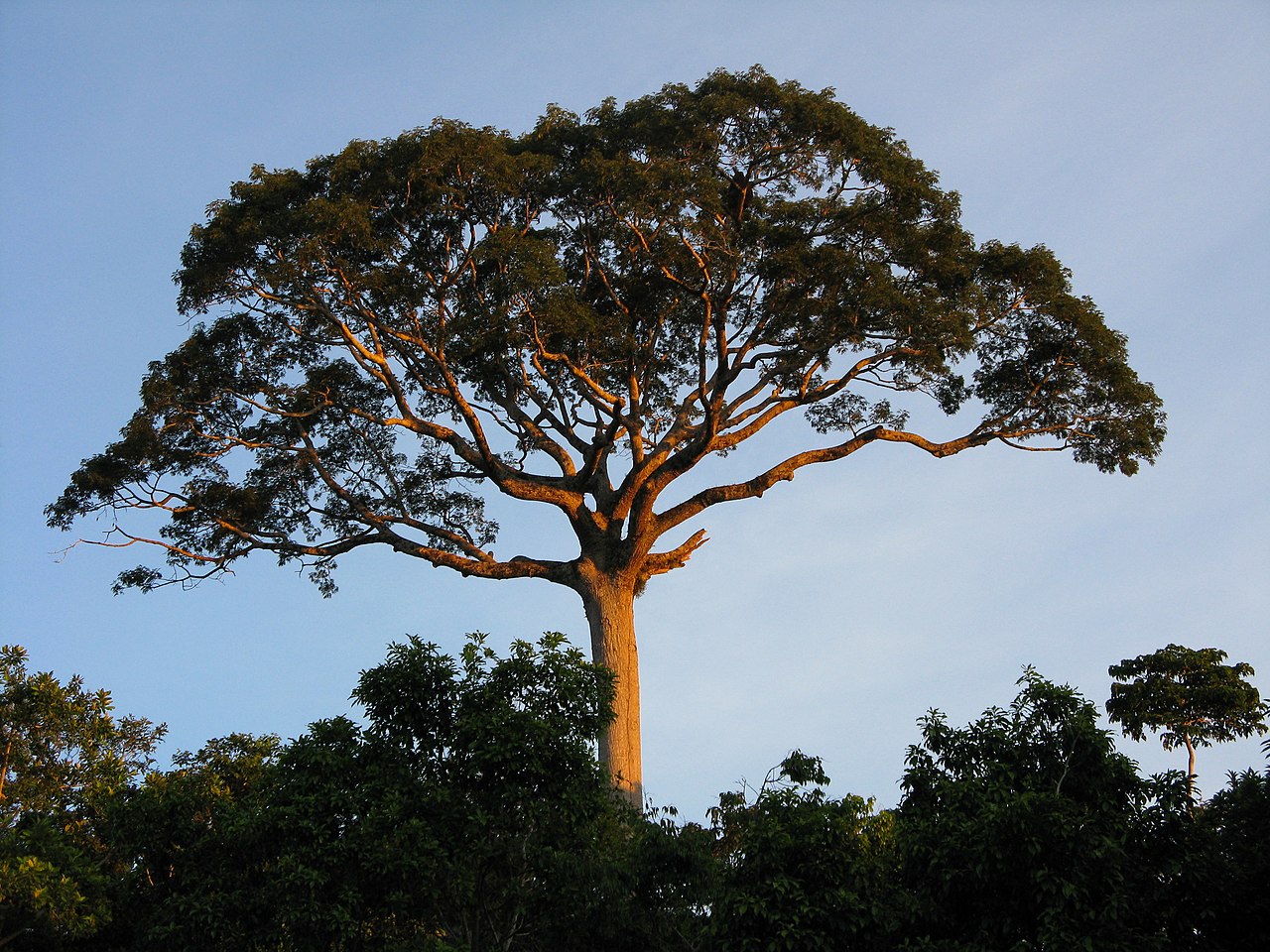
Base of giant specimen in eastern Ecuador

Ceiba Pentandra — photo 2

Ceiba Pentandra — photo 3
 Image by Dinesh Valke from Thane, India, licensed under Creative Commons Attribution-Share Alike 2.0
Ceiba Pentandra — photo 4
Ceiba Pentandra — photo 5

Ceiba Pentandra — photo 6

Ceiba Pentandra — photo 7

Ceiba Pentandra — photo 8

Ceiba Pentandra — photo 9
🌳 Ecological Role
The Kapok tree plays a big role in the ecosystem! 🌳It offers shade and homes to lots of animals, including birds, insects, and monkeys! 🎵Birds love to build nests in its branches, while the big leaves provide shelter. The flowers attract pollinators, which help forests flourish! The Kapok tree is vital in maintaining a balanced ecosystem, providing food and shelter for wildlife. 🌈Every tree has a purpose, and the Kapok tree definitely makes a difference!
Go deeper🌟 Interesting Facts
Here are some fun facts about the Kapok tree! 🌟Did you know that its fiber is 20 times lighter than cotton? This helps it float on water! 🚣♀️ In some cultures, the Kapok tree is called "the tree of life!" It can live for hundreds of years! 🌳People use its wood for makeshift furniture, and its leaves are often used to feed animals. Plus, the Kapok tree’s essence can also be used in traditional medicines! 🌸Isn’t that amazing?
Go deeper🌱 Conservation Status
The Kapok tree is currently not endangered, but it still needs our help! 🌱As forests are cut down for farming or urban expansion, these magnificent trees can face threats. Conservation efforts aim to protect their habitats and ensure they can thrive. 🌍It's important for everyone to plant trees and support forest conservation! There are organizations dedicated to protecting rainforests so that the Kapok tree and its buddies can keep growing!
Go deeper🌲 Physical Description
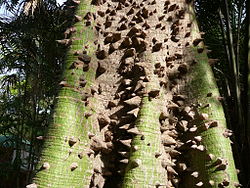
Wow, the Kapok tree is a sight to see! 🌲It has a thick trunk that can be wider than a car! The bark is light gray, and it has large, spiky fruits that look like green pods. When the pods open, they release fluffy white fibers. 🌬️ The leaves are palm-shaped with 5 to 7 fingers. It can even grow beautiful white or pink flowers with five petals! These flowers attract lots of pollinators, like bees and butterflies, which help plants make seeds 🌺. This tree really stands out in the forest!
Go deeper🌍 Cultural Significance
The Kapok tree is really special in many cultures! 🌍In some places, it is considered a sacred tree. People believe it brings good luck and helps with healing. In West Africa, the tree is associated with many traditional stories and songs. 🎶The soft fibers of the tree are used in handicrafts, textiles, and even in making drums! The tree also provides shade and homes for many creatures, making it essential to local communities and ecosystems!
Go deeper🌳 Threats To Population
While Kapok trees are not endangered now, they face some challenges! 🌳Deforestation, or cutting down trees, is a big threat. Farms, roads, and buildings take away their homes! Climate change can also harm these trees by changing the weather and affecting how they grow. 🌡️ It’s essential to protect the rainforests where they grow. If we work together, we can help keep both Kapok trees and their ecosystem safe!
Go deeper🌬️ Uses And Applications
Did you know that the fluffy fiber from the Kapok tree is super useful? 🌬️ People have used it for centuries! It is used to make stuffing for pillows, cushions, and mattresses because it is lightweight and stays fluffy. 🛏️ It also serves as insulation in life jackets, keeping people safe while swimming. Some locals even make twine from the tree's strong bark! 🚤So, the Kapok tree is not just beautiful—it also provides plenty of help to people!
Go deeper☀️ Distribution And Habitat
The Kapok tree loves warm, tropical places ☀️! You can find it in countries like Mexico 🇲🇽, Costa Rica 🇨🇷, and Colombia 🇨🇴. It grows in rainforests, usually near rivers or wet areas. These trees like well-drained soil and can grow up to 50 feet away from each other 🌳. The Kapok tree can sometimes form a “canopy” with its wide branches that provide a home for many birds and animals! These forests are crucial for many living organisms. Isn’t nature amazing?
Go deeper🌱 Life Cycle And Reproduction
The Kapok tree starts its life as a tiny seed. 🌱When the seeds fall from the long pods, they look for a sunny spot to grow. Once they sprout, it takes around 8 to 10 years for them to become a big tree! 🌳When they are mature, the flowers bloom, and pollinators visit them to help make seeds. In nature's grand design, these seeds will eventually grow into new Kapok trees! So, the cycle keeps going! Isn’t it cool how seeds turn into mighty trees over time?
Go deeper🌼 Taxonomy And Classification
In science, we organize living things by classifying them! Ceiba pentandra belongs to the Malvaceae family and the order Malvales 🌼. Its scientific name is made up of "Ceiba," which is the genus, and "pentandra," which means five stamens (the parts that make pollen!). 🤓The Kapok tree is related to hibiscus and okra! These plants share similar traits. Scientists use classification to study and understand plants better. Did you know it’s also called the silk-cotton tree? It sure has many names!
Go deeper