Caryophyllales Facts For Kids
Caryophyllales is a diverse order of flowering plants that includes cacti, carnations, amaranths, ice plants, beets, and many carnivorous plants.
Select reading age
Caryophyllales Facts For Kids
Videos & Quizzesincluded
About this topic
Caryophyllales is a fascinating group of plants that includes nearly 7,500 species! 🌱🌼 This order is diverse—meaning it has many different kinds of plants, such as cacti, which live in deserts, and beautiful carnations often found in gardens. These plants can be found all over the world, from hot deserts in Mexico to cool wetlands in Europe. Scientists study Caryophyllales to understand their unique features and how they grow. Many of these plants are not only pretty to look at but also play important roles in nature!
Explore with ChatDinoKey Points
Caryophyllales play important roles in the ecosystems where they live!
Some Caryophyllales plants are at risk due to habitat loss and climate change.
Caryophyllales are not just pretty; they are also valuable to people!
Caryophyllales plants are known for some cool characteristics!
Caryophyllales plants have inspired art, stories, and traditions around the world!
Caryophyllales can be found all over the globe!
Caryophyllales consists of many remarkable families and genera.
Caryophyllales belongs to the kingdom Plantae, which includes all plants.
Growing Caryophyllales plants can be lots of fun!
Photos of Caryophyllales

Pupalia lappacea Forest Burr from family Amaranthaceae

Glinus oppositifolius from family Molluginaceae

Cactaceaeː Gymnocalycium Matoensea at Yale's Marsh Botanical Garden.

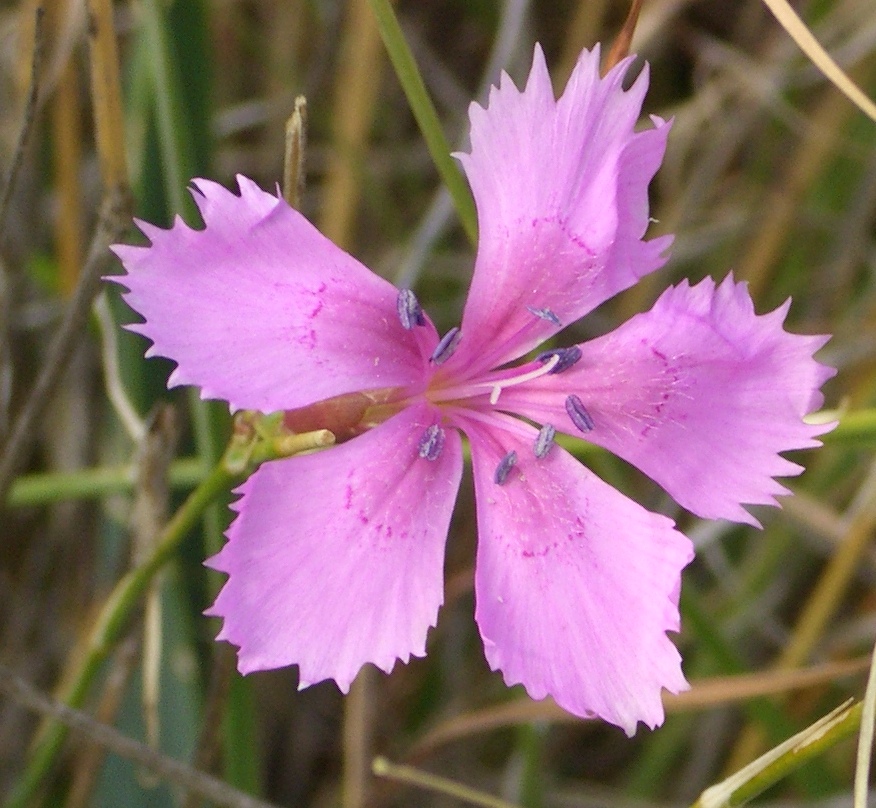
A flower of Dianthus

🌈 Ecological Roles
Caryophyllales play important roles in the ecosystems where they live! 🌈They provide food and shelter for various animals. For example, cacti offer a safe place for birds to nest, while their fruits are a tasty snack for many creatures like bats. Some plants also help prevent soil erosion by holding the ground together with their roots. Fun fact: the vibrant flowers attract pollinators like bees, helping plants reproduce! Without Caryophyllales, many ecosystems would be very different!
Go deeper🚨 Conservation Status
Some Caryophyllales plants are at risk due to habitat loss and climate change. 🚨Certain cacti, like the Endangered Saguaro cactus, need protection to survive. Conservation efforts help preserve their habitats and ensure these plants continue to thrive. Organizations work to educate people about the importance of protecting these beautiful plants. 🌿When we take care of our environment, we help all living things thrive, including Caryophyllales!
Go deeper💰 Economic Importance
Caryophyllales are not just pretty; they are also valuable to people! 💰Many plants, like beets, are important food crops, while others like carnations are popular flowers for special occasions. Cacti are grown for their beauty and as houseplants. Even the carnivorous plants are sold as fun pets for plant lovers! People also use some Caryophyllales for medicines. For example, the sap from some cacti has health benefits! These plants help support farmers and businesses around the world!
Go deeper🌟 Key Characteristics
Caryophyllales plants are known for some cool characteristics! 🌟Many of them have fleshy leaves, which help them store water—especially the cacti that live in dry areas. Some plants, like the sundew, have sticky leaves that catch insects; this is why they are called carnivorous plants! 🦗These plants often have beautiful flowers too. Another fun fact is that many Caryophyllales plants have a unique way of photosynthesis, allowing them to make food even in harsh environments!
Go deeper🎨 Cultural Significance
Caryophyllales plants have inspired art, stories, and traditions around the world! 🎨For example, cacti are symbols of resilience in many cultures, representing the ability to thrive in tough conditions. Carnations are often used in celebrations to show love and appreciation. 🌸In Mexico, people celebrate the Day of the Dead with marigolds, which are part of Caryophyllales. These plants remind us of the beauty of nature and our connection to it throughout cultures!
Go deeper🌍 Habitats And Distribution
Caryophyllales can be found all over the globe! 🌍You might see cacti in deserts, along with colorful wildflowers that bloom after rain. In wetlands, you can find species like beets and amaranths. Some plants, like the ice plant, thrive in coastal areas and can survive salty water! 🌊The variety of habitats where these plants grow shows how adaptable they are. From tropical rainforests to snowy tundras, Caryophyllales are everywhere, showcasing nature’s creativity!
Go deeper🌻 Notable Families And Genera
Caryophyllales consists of many remarkable families and genera. 🌻For instance, the Cactaceae family includes varietals like the familiar Saguaro cactus found in Arizona. The Amaranthaceae family features plants like quinoa, an ancient grain! 🌾Another cool family is the Droseraceae, home to amazing carnivorous plants like the Venus flytrap. These plants are unique and interesting, showing how diverse the Caryophyllales order can be!
Go deeper🌳 Taxonomy And Classification
Caryophyllales belongs to the kingdom Plantae, which includes all plants. 🌳Within this order, there are many families like Cactaceae (cacti) and Caryophyllaceae (carnations). Imagine a family tree where Caryophyllales is a big branch, and each family is a smaller branch with its own unique plants! Scientists classify plants based on their similarities, helping us understand their relationships. For example, cacti are in the Cactaceae family, and they are known for their ability to survive in dry places. 🌵
Go deeper🌼 Cultivation And Horticulture
Growing Caryophyllales plants can be lots of fun! 🌼🌵 Many people love to grow cacti in pots, as they require little water. Carnations can be grown in gardens and come in many colors! It’s easy to plant seeds and watch them grow. Some plants require specific conditions, like sandy soil for cacti. 🏡Whether you want to grow vegetables like beets or beautiful flowers, learning about Caryophyllales can help you become a great gardener!
Go deeper