Carpinus Betulus Facts For Kids
Carpinus betulus, or the European hornbeam, is a tall and long-living tree native to Western Asia and Europe, known for its durable wood and unique ecological contributions.
Select reading age

Carpinus Betulus Facts For Kids
Videos & Quizzesincluded
About this topic
Carpinus betulus, also known as the European hornbeam, is a cool tree from the birch family 🐚. It's commonly found in places like southern England, western Asia, and many parts of central and eastern Europe 🌍. This tree is known for its strong wood and beautiful leaves that turn yellow in autumn 🍂. Imagine a tree that stands tall and proud, often used to make lovely hedges! People love this tree because it’s tough and can live for around 150 years! That’s a lot of birthdays! 🎉
Explore with ChatDinoKey Points
Long ago, people used the wood of European hornbeam to make tools and items because it’s very strong 💪.
Like all plants, the European hornbeam can face some challenges!
Carpinus betulus is popular in landscaping because of its beautiful shape and hardy nature 👍.
Growing a European hornbeam is quite easy 🪴!
In some cultures, the European hornbeam represents strength and protection 🛡️.
Carpinus betulus has some wonderful varieties and hybrids!
The European hornbeam plays an important role in nature!
The European hornbeam loves to grow in temperate hardwood forests.
Carpinus betulus belongs to the family Betulaceae, which means it's related to birch trees and alders 🪵.
European hornbeam trees can grow up to 30 meters tall – that’s about the height of a ten-story building!
Photos of Carpinus Betulus

Hornbeam seed clusters

Bark of a mature tree

Hornbeam (carpinus Betulus)

Old hornbeam coppice stools left uncut for at least 100 years. Coldfall Wood, London

Carpinus betulus 'Fastigiata' in Dublin, Ireland where it is a common street tree

Mature Carpinus betulus 'Fastigiata' in Eindhoven, Netherlands
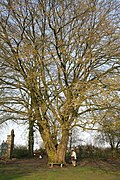
Carpinus Betulus — photo 7

Carpinus Betulus — photo 8
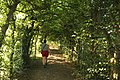
Carpinus Betulus — photo 9
💪 Historical Uses
Long ago, people used the wood of European hornbeam to make tools and items because it’s very strong 💪. It was used for things like woodturning and to make farm equipment! 🍂Its trees have been planted in gardens and parks for hundreds of years, offering shelter and beauty. People have enjoyed the shade from these trees during warm sunny days, helping families relax and play. 🌞The hornbeam's wonderful qualities have given it a long, respected history all over Europe! 🌍
Go deeper🐛 Pests And Diseases
Like all plants, the European hornbeam can face some challenges! 🐛Some pests like aphids and caterpillars might fancy its leaves. They can be removed by gently washing them off or using natural remedies! 🌿Fungal diseases can also happen, especially if the tree’s in damp areas. Regular checking helps to keep it healthy. If you ever spot yellowing leaves or unusual spots, it’s best to ask an adult for help! Keeping your hornbeam happy leads to strong branches and vibrant leaves! 🌳
Go deeper👍 Uses In Landscaping
Carpinus betulus is popular in landscaping because of its beautiful shape and hardy nature 👍. Gardeners use it for hedges, providing privacy and a lovely green wall 🌳. Its ability to grow thick and strong makes it a favorite for parks, avenues, and gardens. This tree can also be nicely trimmed, making it look attractive all year round! Whether you want shade on a hot day or a natural border around your garden, the European hornbeam is here to help! 🌞
Go deeper🪴 Cultivation And Care
Growing a European hornbeam is quite easy 🪴! It loves sunny spots and can also do well in light shade. Make sure to use good quality soil to help it grow strong 🌱. Watering is especially important in the first few years. In autumn, trees can get pruned to keep them looking great! 🌳Fertilizer can also be added in spring to make sure they have lots of nutrients for healthy growth. With the right care, these trees can live for a very long time, making them a great addition to any garden! 🌻
Go deeper🛡️ Cultural Significance
In some cultures, the European hornbeam represents strength and protection 🛡️. Its sturdy wood is often used for traditional crafts and furniture, making it a special tree! 🌳In parts of Europe, the tree has historical ties, often found in parks where people enjoy nature. They offer a sense of tranquility and beauty to the environment. With its long life and impressive appearance, it's more than just a tree; it's a part of cultural stories and landscapes! 📜
Go deeper🌱 Varieties And Hybrids
Carpinus betulus has some wonderful varieties and hybrids! 🌱One popular type is 'Fastigiata', which grows tall and narrow, making it great for small spaces. Another is 'Lucas', known for its bushy appearance! 🌳Hybrid varieties can mix traits from other hornbeams, making unique trees that can better suit different gardens. Just like people, these trees have their own personalities! 🌼Each variety can bring something special to your garden, offering a chance to explore nature's creativity! 🌈
Go deeper🌼 Ecological Significance
The European hornbeam plays an important role in nature! 🌼Its flowers provide food for bees, helping them thrive and pollinate other plants 🌻. The nuts produced by the tree are a snack for many woodland creatures, like birds and squirrels. 🐦This tree also creates a cool shade, making it a perfect home for smaller plants and animals. By growing in forests, the hornbeam helps improve the soil and provides shelter, ensuring that our environment stays healthy. 🌿
Go deeper🌳 Habitat And Distribution
The European hornbeam loves to grow in temperate hardwood forests. 🌳It enjoys sunny spots but can also grow in shady areas. It is usually found in countries like Germany, France, and Poland 🌍. You might also find hornbeam trees in parks and gardens where they create lovely views. They are happy living in different types of soil, but they prefer fertile, well-drained earth. They're a common sight when you're exploring woodlands in Europe, making the forest even more magical! 🌲
Go deeper🪵 Taxonomy And Classification
Carpinus betulus belongs to the family Betulaceae, which means it's related to birch trees and alders 🪵. It has a scientific name that helps scientists know exactly which tree they are talking about. Carpinus is the genus, and betulus is the species, just like how you have a first and last name! 🌳The hornbeam is unique because of its distinctive shape and interesting leaves. There are variations like 'Fastigiata' and 'Lucas', making this tree a favorite among those who know about plants. 🏷️
Go deeper🌆 Morphological Characteristics
European hornbeam trees can grow up to 30 meters tall – that’s about the height of a ten-story building! 🌆Their leaves are green and have sharp edges, resembling a serrated knife 🍃. The bark is smooth and gray but can become rough as the tree gets older. In the spring, tiny flowers appear, which are quite important for bees! 🐝The tree produces nuts as fruit, which are small and often enjoyed by animals like squirrels. 🐿️ With their strong, sturdy trunks, these trees are built to last!
Go deeper