Cardiology Facts For Kids
Cardiology is the study of the heart, its functions, and the treatment of heart diseases, combining biology, chemistry, and technology.
Select reading age

Cardiology Facts For Kids
Videos & Quizzesincluded
About this topic
Cardiology is a special branch of medicine that focuses on the heart! ❤️ The heart is an important organ that pumps blood throughout our bodies, keeping us alive and healthy. Cardiology looks at how the heart works, how to treat problems with it, and how to make sure it stays healthy. Doctors who specialize in this field are called cardiologists. Did you know that your heart beats about 100,000 times a day? That’s around 3 billion heartbeats in a lifetime! Keeping our hearts healthy helps us play, learn, and grow strong! 🌟
Explore with ChatDinoKey Points
The heart is a fascinating organ!
Pediatric cardiology focuses on the hearts of children.
The study of the heart goes way back in history!
Preventive cardiology is all about keeping our hearts healthy before problems happen!
Sometimes, hearts can face problems!
The future of cardiology is super exciting!
If someone has a heart problem, there are different treatment options!
Every day, scientists work hard to learn more about heart health!
Cardiologists use special tools to check how our hearts are doing!
What we eat and how we move affects our heart health!
Photos of Cardiology

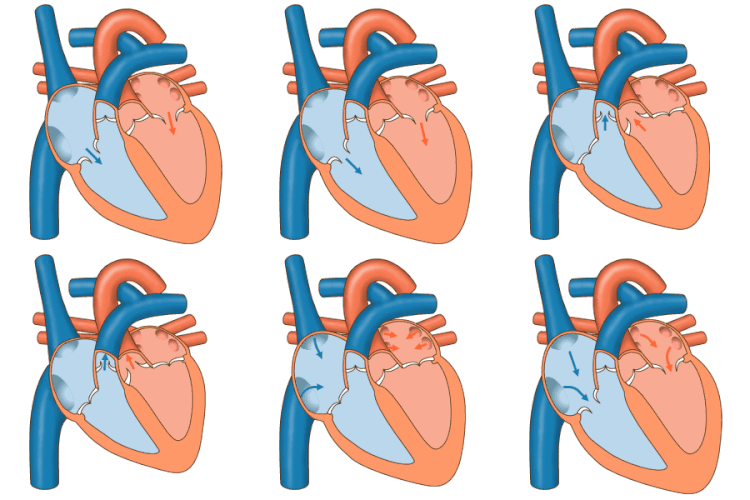
Blood flow through the valves

Main complications of persistent high blood pressure

Dextro-transposition of the Great Arteries
🫀 Anatomy Of The Heart
The heart is a fascinating organ! 🫀It has four main parts known as chambers: the right atrium, right ventricle, left atrium, and left ventricle. The heart is about the size of your fist and weighs about 11 ounces in adults. It has special valves that open and close to keep blood flowing in one direction. The heart also has electrical pathways that control its rhythm. Did you know your heart is always working? It pumps blood to your lungs to get oxygen and then sends it all over your body! 🌬️
Go deeper👶 Pediatric Cardiology
Pediatric cardiology focuses on the hearts of children. 👶Some babies are born with heart defects that may need special care. Pediatric cardiologists understand young hearts and recommend the best treatments. They also help kids learn how to stay heart-healthy! Regular check-ups are essential for monitoring growth and heart function. Advances in technology allow doctors to perform safe heart surgeries on children, helping them live normal, active lives. With proper care, kids can grow strong and healthy! 🎉
Go deeper🕰️ History Of Cardiology
The study of the heart goes way back in history! 🕰️ Ancient Egyptians around 3000 BC believed the heart was the seat of the mind and emotion. In the 1620s, a scientist named William Harvey discovered how blood circulates through the body. In the 1800s, cardiology truly began to develop. Doctors started using new tools like the stethoscope, invented by René Laennec in 1816. This helped them listen to our heartbeats! 🎶With better technology over the years, cardiologists learned even more about heart diseases and how to help people live healthier lives.
Go deeper🥳 Preventive Cardiology
Preventive cardiology is all about keeping our hearts healthy before problems happen! 🥳It includes educating families about the importance of a healthy diet and exercise. Regular check-ups with doctors can catch issues early on. Families can work together by cooking foods and staying active! Simple things like playing sports or walking the dog can strengthen our hearts. Remember, just like wearing a seatbelt for safety, taking care of our hearts today makes for a happy tomorrow! 💙
Go deeper❤️🩹 Common Cardiac Disorders
Sometimes, hearts can face problems! Some common heart disorders include congenital heart defects, which babies are born with, and arrhythmias, where the heartbeat is too fast or too slow. ❤️🩹 Another issue is coronary artery disease, which affects blood flow to the heart. Cardiomyopathy is a condition that makes it hard for the heart to pump. Symptoms can include fatigue, chest pain, or shortness of breath. That’s why it’s essential to see a doctor if you feel unwell! Regular check-ups help keep our hearts healthy! ✅
Go deeper🚀 Future Trends In Cardiology
The future of cardiology is super exciting! 🚀Researchers are working on smart devices that can monitor heart health through wearables like watches. Soon, we might be able to keep track of our heartbeats and rhythms from home! Scientists are also exploring gene therapy to treat genetic heart diseases. Artificial intelligence is being developed to help doctors make better decisions. With all these advancements, the future looks bright for heart health! Together, we can create a world where everyone enjoys strong and healthy hearts! 🌈
Go deeper💊 Treatment Options And Therapies
If someone has a heart problem, there are different treatment options! 💊Lifestyle changes like eating healthy foods, exercising, and quitting smoking can help. Sometimes, doctors prescribe medications to manage symptoms or prevent problems. For more severe cases, surgeries like bypass or valve repair may be needed. Cardiologists also use advanced treatments like heart transplants for those with very serious conditions. Remember, taking care of our hearts early on makes a big difference for the future! 🏃♂️🥦
Go deeper🧪 Advancements In Cardiac Research
Every day, scientists work hard to learn more about heart health! 🧪Research in cardiology has led to new medicines, techniques, and technologies. For example, researchers are creating tiny devices to monitor heart health in real-time. They’re also exploring stem cell therapy, which may help repair damaged hearts. New imaging technologies allow doctors to see the heart more clearly than ever! Thanks to these advancements, more people can live longer, healthier lives! Discoveries made today can help all of us in the future! 🔭
Go deeper🔬 Diagnostic Techniques In Cardiology
Cardiologists use special tools to check how our hearts are doing! 🔬One common test is an echocardiogram, a painless ultrasound that creates images of the heart. Another is an electrocardiogram (ECG), which measures the heart's electrical activity using small stickers. Stress tests help see how the heart performs during exercise. Doctors also use blood tests to check for heart health markers. These tests provide valuable information to help cardiologists decide on the best way to help patients stay heart-healthy! 🏥
Go deeper🍎 Impact Of Lifestyle On Heart Health
What we eat and how we move affects our heart health! 🍎Foods rich in fruits, vegetables, and whole grains are great for our hearts. On the other hand, foods high in sugar and fat, like candy and soda, can cause heart problems. Physical activity is also important! Playing outside, riding bikes, and dancing help strengthen our hearts. Staying active helps keep our weight healthy, lowers stress, and makes our hearts happy! 🌞Doing these things can lead to a longer and healthier life!
Go deeper