Capsicum Facts For Kids
Capsicum is a diverse genus of flowering plants in the nightshade family known for their edible fruit, commonly called peppers, which come in various flavors and heat levels.
Select reading age
Capsicum Facts For Kids
Videos & Quizzesincluded
About this topic
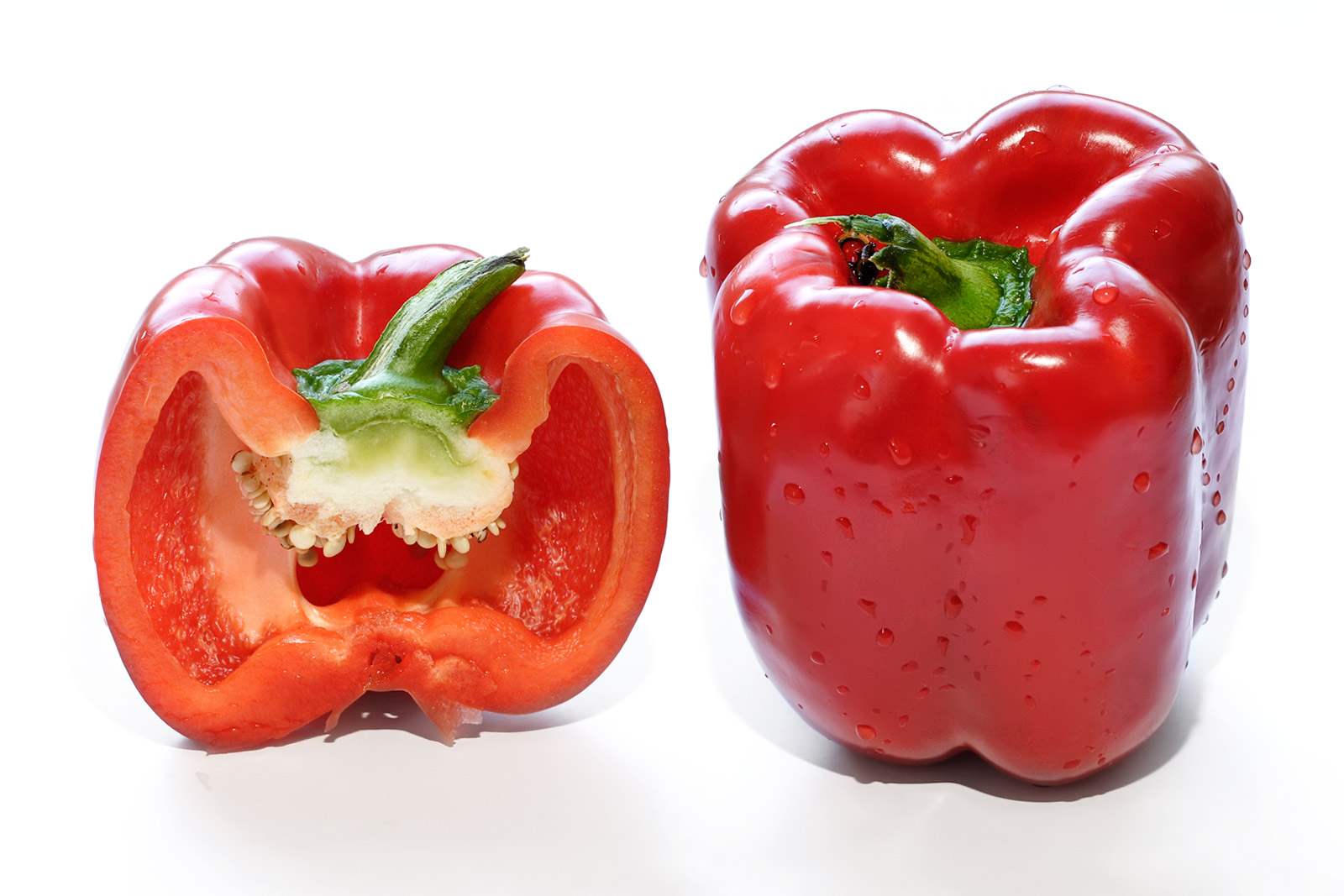
Capsicum, commonly called peppers, are colorful fruits 🌶️ that belong to the nightshade family called Solanaceae. They are native to the Americas, which include places like Mexico and Peru. There are many types of peppers, ranging from sweet bell peppers to spicy chili peppers. People enjoy eating peppers raw in salads or cooked in different dishes! Each color, like red, yellow, or green, offers unique flavors and surprises. Did you know that the heat in spicy peppers is measured in Scoville heat units (SHU)? 🌟Capsicum is a fun and tasty part of our meals around the world!
Explore with ChatDinoKey Points
Capsicum comes in many varieties!
Like other plants, Capsicum may get pests or diseases.
Did you know that Capsicum peppers can be good for your health?
Capsicum peppers are not only tasty but also super healthy!
The scientific name for peppers is "Capsicum."
Capsicum peppers add color and flavor to many dishes around the world!
Capsicum plays a delicious role in many cuisines around the globe!
Capsicum has an exciting history!
Growing Capsicum peppers is fun and easy!
Capsicum comes in a wide range of varieties, each with different levels of spiciness, thanks to a compound called capsaicin.
Photos of Capsicum

Red peppers in Cachi, Argentina air-drying before being processed into powder

An arrangement of chilis, including jalapeno, banana, cayenne, and habanero peppers.

Molecular structure of capsaicin

Chili peppers


Stuffed capsicum with a spicy filling of potatoes, Kolkata, India

Capsicum annuum cultivars


🌈 Types Of Capsicum
Capsicum comes in many varieties! 🌈Some popular types include:
1. Bell Peppers: Sweet and crunchy, they can be green, yellow, red, or orange.
2. Jalapeños: These are medium-hot peppers that add flavor to a lot of dishes! 🌶️
3. Habaneros: Very spicy! They are orange or green and pack a fiery punch! 🔥
4. Poblano: Mildly spicy, used in Mexican cuisine.
5. Serrano: Small and hot, great for salsas!
Each variety has its own taste and uses, making Capsicum a versatile plant in cooking!
Go deeper1. Bell Peppers: Sweet and crunchy, they can be green, yellow, red, or orange.
2. Jalapeños: These are medium-hot peppers that add flavor to a lot of dishes! 🌶️
3. Habaneros: Very spicy! They are orange or green and pack a fiery punch! 🔥
4. Poblano: Mildly spicy, used in Mexican cuisine.
5. Serrano: Small and hot, great for salsas!
Each variety has its own taste and uses, making Capsicum a versatile plant in cooking!
🐛 Pests And Diseases
Like other plants, Capsicum may get pests or diseases. 🐛Common pests include aphids and spider mites. These tiny bugs can damage the leaves and fruits. But don’t worry! You can remove them by washing the leaves or using friendly insect sprays. 🌼Capsicum plants can also face diseases like blight and powdery mildew. To keep your plants healthy, make sure they have good air circulation and water them properly! ☔Taking care of your peppers means you’ll have a bountiful harvest for tasty meals!
Go deeper🌶️ Medicinal Properties
Did you know that Capsicum peppers can be good for your health? 🌶️ They contain capsaicin, which is known to help reduce pain and inflammation. Some people use spicy pepper creams to soothe sore muscles! 🌟Capsaicin can also improve digestion and protect against certain cancers. Furthermore, the vitamins in peppers can help boost our immune system and improve our skin. So, enjoying Capsicum in meals isn’t just yummy; it can be good for you, too! 🥳Just remember, not everyone can handle very spicy peppers, so always listen to your body!
Go deeper🦸♂️ Nutritional Benefits
Capsicum peppers are not only tasty but also super healthy! 🦸♂️ They are low in calories and rich in vitamins. Bell peppers, especially red ones, are loaded with Vitamin C, which helps keep our immune systems strong. A single red bell pepper has more Vitamin C than an orange! 🍊They also contain Vitamin A, which is good for our eyes, and antioxidants that help fight sickness. Plus, spicy peppers contain capsaicin, which can help boost metabolism and keep us energized. 🌟Eating colorful peppers is a delicious way to stay healthy!
Go deeper🌱 Botanical Classification
The scientific name for peppers is "Capsicum." 🌱 They are flowering plants and belong to the Solanaceae family, which also includes tomatoes and potatoes! There are around 30 species of Capsicum. The most common ones are Capsicum annuum (bell peppers) and Capsicum frutescens (hot peppers like jalapeños). 🌶️ They grow well in warm climates and prefer sunny environments. Capsicum plants can grow tall, with some reaching about 3 feet! 🌿Peppers have tiny seeds inside, which help them spread and grow new plants in different areas!
Go deeper🍴 Culinary Uses Of Capsicum
Capsicum peppers add color and flavor to many dishes around the world! 🍴You can eat them raw in salads, cooked into stir-fries, or stuffed with yummy ingredients. Bell peppers are sweet and perfect for munching. Spicy varieties like jalapeños add excitement to tacos and salsa! 🌮In Italy, they're used in pasta dishes, while in India, they're often in curries. People also enjoy roasted peppers for an extra smoky flavor! 🎉Peppers can even be dried and crushed into powder, known as paprika, which gives dishes a zesty kick!
Go deeper🌎 Capsicum In Different Cuisines
Capsicum plays a delicious role in many cuisines around the globe! 🌎In Mexico, spicy peppers are popular in salsas and tacos. In Italy, bell peppers are often roasted in pasta dishes, bringing a sweet and smoky flavor! 🍝In Asia, black pepper is a key ingredient in stir-fries and soups. Hungarian cuisine uses sweet paprika made from dried Capsicum to add color and taste to stews. 🌶️ Each culture has its special ways of preparing and enjoying peppers, making every meal an exciting global journey through tasty flavors!
Go deeper🌍 History And Cultural Significance
Capsicum has an exciting history! 🌍They originated in the Americas and were used by indigenous peoples for thousands of years. In 1492, when Christopher Columbus traveled to the New World, he discovered Capsicum and brought them back to Europe. 🌊Peppers quickly became popular because of their delicious taste and ability to spice up meals! Different cultures have used peppers for healing and celebrations. Today, they are important in dishes worldwide, proving that Capsicum can bring people together through flavor, culture, and history! 🌟
Go deeper🌱 Cultivation And Growing Conditions
Growing Capsicum peppers is fun and easy! 🌱They love warm weather and plenty of sunshine. It's best to plant them in containers or in garden beds after the danger of frost has passed. 🎍Peppers need soil that is rich and drains well. Water them regularly, but don’t drown them! In about 60-90 days, after planting seeds, you'll see flowers and then fruit! 🌶️ Harvest them when the peppers are shiny and firm. Once picked, you can enjoy them fresh or can preserve them for later. Growing peppers can be a big adventure!
Go deeper🔥 Capsicum Varieties And Capsaicin Levels
Capsicum comes in a wide range of varieties, each with different levels of spiciness, thanks to a compound called capsaicin. 🔥The heat is measured in Scoville Heat Units (SHU). Bell peppers are sweet and have a SHU of 0, while jalapeños measure around 5,000 SHU! 🌶️ Habaneros can be super spicy, reaching over 100,000 SHU! People often use spicy peppers to add excitement to their dishes. Remember, when cooking with spicy Capsicum, start small to find the right heat level for you! Your taste buds will thank you! 🌟
Go deeper