Capra Facts For Kids
Capra is a genus of mammals, commonly known as goats, which includes ten species like the markhor and several types of ibexes, primarily found in mountainous regions and known for their unique physical features and social behavior.
Select reading age

Capra Facts For Kids
Videos & Quizzesincluded
About this topic
Capra is a genus of mammals we often call "goats." 🐐 This group includes ten different species, such as the famous markhor, known for its twisted horns, and various types of ibexes, which are great climbers! 🌄These animals are found in many places around the world, from mountains to forests. They have strong bodies and hooves that help them walk on rocky terrains. Goats are known for their curious personalities and can often be seen munching on plants. 😄The Capra family is fun and fascinating, and they play important roles in the ecosystem!
Explore with ChatDinoKey Points
Many Capra species face threats due to habitat loss and hunting.
Goats have a long-standing significance in different cultures around the world!
Did you know that goats have excellent eyesight?
Capra species live in various habitats, mainly in mountainous regions, forests, and grasslands.
Goats in the Capra genus have some interesting physical features!
Capra species are herbivores, which means they only eat plants!
Goats of the Capra genus typically reach maturity around one year of age.
Capra belongs to the Bovidae family, which makes it relatives with sheep, antelopes, and cattle.
Capra species are very social animals!
Photos of Capra

Capra — photo 1

Capra — photo 2

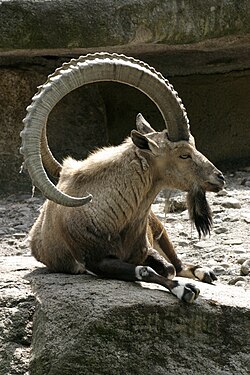

Capra — photo 5

Siberian Ibex

Capra — photo 7


🌿 Conservation Status
Many Capra species face threats due to habitat loss and hunting. 🌿The International Union for Conservation of Nature (IUCN) has classified some goats as "vulnerable" or "endangered." The markhor, for example, is considered near threatened, but conservation efforts are underway to protect these amazing animals. 🦸♂️ Organizations are working to preserve their habitats and reduce poaching. By educating people about these animals, we can help ensure that they continue to roam our planet for many years to come. Every little bit helps!
Go deeper🌍 Cultural Significance
Goats have a long-standing significance in different cultures around the world! 🌍In many societies, they are symbols of prosperity and fertility. Ancient Greeks and Romans revered goats, depicting them in artworks and stories. The markhor is even the national animal of Pakistan, representing strength and resilience. 🎨In rural settings, goats are often kept for their milk, meat, and wool, contributing to local economies and diets. Their importance is celebrated in festivals and folklore, making them wonderful creatures with deep cultural ties to many communities!
Go deeper🔍 Fun Facts About Capra
Did you know that goats have excellent eyesight? 🔍They can see nearly 360 degrees around them due to their rectangular pupils! Another fun fact is that goats can climb steep slopes and rocky surfaces thanks to their strong hooves and powerful legs! 🐾Many goats enjoy eating prickly plants, such as cacti. 🌵They have even been known to clear bushes, helping maintain the landscape. Some goats are also very good swimmers! 🏊♂️ Plus, goats are known for their hilarious personalities—they might headbutt each other just for fun! 😄
Go deeper🌍 Habitat And Distribution
Capra species live in various habitats, mainly in mountainous regions, forests, and grasslands. 🌍The Alpine ibex resides in the European Alps, while the Nubian ibex can be found in dry, rocky parts of the Middle East. The markhor lives in the mountainous regions of Northern Pakistan and India. 🏔️ These goats have adapted to their environments, enabling them to thrive in both harsh and mild climates. Many Capra species are excellent at climbing and can often be seen at dizzying heights where few other animals can go! 🐾
Go deeper🐐 Physical Characteristics
Goats in the Capra genus have some interesting physical features! 🐐They often possess long, curved horns, especially the males, which can grow very large! 👀A markhor’s horns can be up to 5 feet long. Their bodies are powerful and built for climbing steep hills and rocky surfaces. They usually have strong, muscular limbs and split hooves, which help them maintain balance while navigating rough terrain. Their fur can vary in color from brown to white, depending on the species. Most goats also have alert, expressive faces, which make them charming! 😊
Go deeper🌱 Diet And Feeding Behavior
Capra species are herbivores, which means they only eat plants! 🌱They enjoy munching on grasses, leaves, shrubs, and even tree bark. They often graze in groups, using their sharp hooves to reach plants in rocky areas. Goats are known for their curiosity and may taste anything they find! 🍂Did you know they have a unique way of digesting food? Goats have a four-chambered stomach, allowing them to break down tough plant materials more efficiently. Their grazing habits can help maintain healthy ecosystems, making them important for the environments they inhabit!
Go deeper🌟 Reproduction And Life Cycle
Goats of the Capra genus typically reach maturity around one year of age. 🌟Mating usually occurs in the fall, and after a gestation period of about 150 days, a female goat gives birth to one or two kids! 🐾The kids are quite active, standing and walking shortly after birth. They stay close to their mothers for protection and guidance. Goats are social creatures and live in herds, which helps keep them safe from predators. As they grow, they learn important skills from their mothers and other members of the herd, such as foraging for food and navigating their environment. 🌼
Go deeper🐂 Taxonomy And Classification
Capra belongs to the Bovidae family, which makes it relatives with sheep, antelopes, and cattle. 🐂The scientific name for goats, Capra, is derived from the Latin word for goat! This genus includes several species like the Nubian ibex (Capra nubiana) and the Alpine ibex (Capra ibex). ⛰️ The markhor (Capra falconeri), known for its impressive spiral horns, is also part of this group. Each species has unique characteristics, but they all share some common traits - like their love for high places! 🌄They are an important part of their habitats.
Go deeper🐐 Social Structure And Behavior
Capra species are very social animals! 🐐They usually live in groups called herds, which can be made up of females (called does), kids, and a few males (called bucks). In some species, males will join herds only during the mating season. These herds help protect members from predators since there's safety in numbers! 🦊They communicate using bleats, body language, and even by marking their territory. Some species are known for being quite playful, often engaging in friendly pushes and jumps. Watching goats interact can be a delightful experience! 😊
Go deeper