Bus Facts For Kids
In computer architecture, a bus is a communication system that transfers data between components inside a computer or between computers.
Select reading age
Bus Facts For Kids
Videos & Quizzesincluded
About this topic
A bus is like a super-fast road that helps computers talk to their parts! 🚍Imagine a big highway where data travels between different parts of a computer, just like cars driving from one city to another! This system makes it easier for everything to work together. The "bus" helps move information quickly, whether it's a game, video, or even your favorite music. 🚀Understanding how this road works makes learning about computers fun and helps us know what makes them tick!
Explore with ChatDinoKey Points
There are several types of buses in a computer, and they each have special jobs!
In computer terms, a bus is a group of wires that carries information inside a computer.
Bus architecture is like the layout of a city’s roads!
Connecting components is like linking different sections of a city!
When information moves through a bus, it goes through a special process that helps it travel fast!
Bus speed reflects how fast data travels!
Bus standards and protocols are like the rules of the road!
Signal integrity and interference are important to keep data safe on our bus highways!
Bus technology is always improving, much like how cars and roads get better!
Photos of Bus

🚦 Types Of Buses
There are several types of buses in a computer, and they each have special jobs! 🚦The most common types are:
1. Data Bus: This bus carries the actual data, like a delivery truck full of packages. 📦
2. Address Bus: It tells the computer where to send the data—it's like giving directions to a driver. 🗺️
3. Control Bus: This one sends control signals, making sure everything works together—like a conductor conducting an orchestra! 🎶
Each type plays an essential role, and together they keep the computer working properly!
Go deeper1. Data Bus: This bus carries the actual data, like a delivery truck full of packages. 📦
2. Address Bus: It tells the computer where to send the data—it's like giving directions to a driver. 🗺️
3. Control Bus: This one sends control signals, making sure everything works together—like a conductor conducting an orchestra! 🎶
Each type plays an essential role, and together they keep the computer working properly!
📡 What Is A Bus?
In computer terms, a bus is a group of wires that carries information inside a computer. 📡Think of it as a special messenger that delivers messages between the central processing unit (CPU), memory, and other parts. Just like mail carriers deliver letters, the bus moves data. There are different types of buses for different tasks, and they all work together to keep your computer running smoothly. ⚡Without a bus, computers wouldn’t know how to share information!
Go deeper🏙️ Bus Architecture
Bus architecture is like the layout of a city’s roads! 🏙️ It tells us how the wires and paths connect inside a computer. There are two main types of architecture: Single Bus and Multiple Bus.
- Single Bus: All parts share one road, which can get crowded but is simple! 🚧
- Multiple Bus: There are different roads for different parts, making it faster and less cluttered. 🛣️
Choosing the right architecture helps different computer systems perform better, just like a well-planned city!
Go deeper- Single Bus: All parts share one road, which can get crowded but is simple! 🚧
- Multiple Bus: There are different roads for different parts, making it faster and less cluttered. 🛣️
Choosing the right architecture helps different computer systems perform better, just like a well-planned city!
🔗 Connecting Components
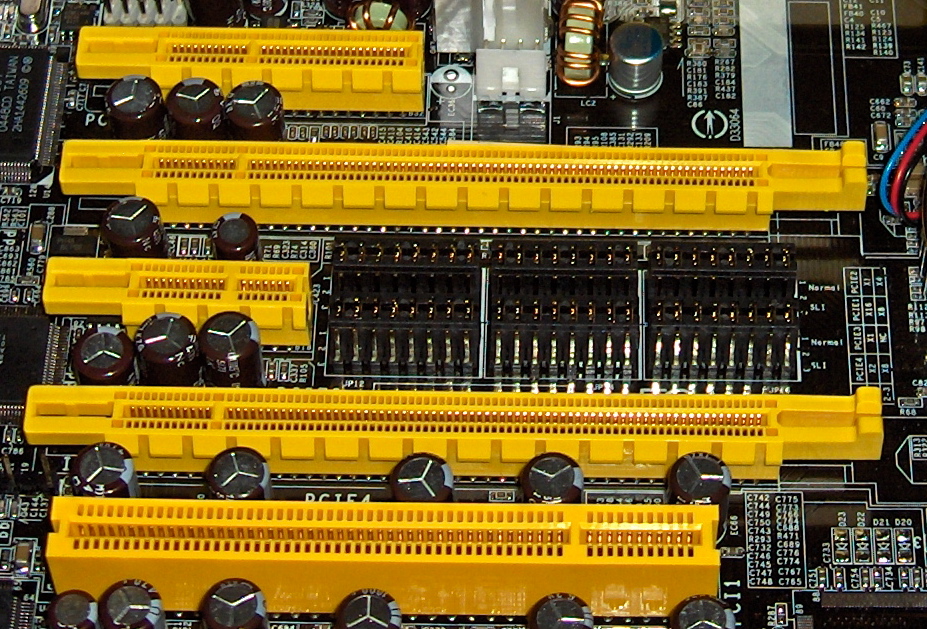
Connecting components is like linking different sections of a city! 🔗Each part of a computer, like the CPU, memory, and hard drive, has to connect seamlessly to the bus. To do this, there are special connectors or slots.
This process helps each part share information rapidly, much like how roads lead to important spots in a city! 🏘️ Good connections mean better performance, and it all helps your computer work better, making fun games and videos possible! 🎈
Go deeperThis process helps each part share information rapidly, much like how roads lead to important spots in a city! 🏘️ Good connections mean better performance, and it all helps your computer work better, making fun games and videos possible! 🎈
🏎️ Data Transfer Processes
When information moves through a bus, it goes through a special process that helps it travel fast! 🏎️ First, the CPU decides what data needs to be sent and where it’s going. Then, the data is put onto the data bus. Next, the address bus gets the correct address ready. Finally, the control bus signals the parts to get to work! 📣This whole process happens super quickly, sometimes in just a millionth of a second! Incredible, right?
Go deeper🚀 Bus Speed And Performance
Bus speed reflects how fast data travels! 🚀Just like cars on a highway, the faster the bus, the quicker your computer can work! Data is transferred in bits and bytes. The more bits a bus can send at once, the faster it is!
For example, modern buses can transfer data at speeds of several gigabits per second! 🤯That’s like thousands of pieces of information for every second! Thanks to fast buses, you can download games and videos quickly, making computers fun to use! 🎮
Go deeperFor example, modern buses can transfer data at speeds of several gigabits per second! 🤯That’s like thousands of pieces of information for every second! Thanks to fast buses, you can download games and videos quickly, making computers fun to use! 🎮
🚦 Bus Standards And Protocols
Bus standards and protocols are like the rules of the road! 🚦They tell each part of the computer how to communicate. For example, the PCI (Peripheral Component Interconnect) standard helps devices like graphics cards connect smoothly.
Following these standards ensures everything works well together, just like traffic lights and road signs make sure the cars flow safely! By understanding these rules, computer designers create speedy systems that make using technology easier for everyone! 📚
Go deeperFollowing these standards ensures everything works well together, just like traffic lights and road signs make sure the cars flow safely! By understanding these rules, computer designers create speedy systems that make using technology easier for everyone! 📚
📡 Signal Integrity And Interference
Signal integrity and interference are important to keep data safe on our bus highways! 📡Signal integrity means the data is clear and reaches its destination without any mistakes. However, interference can happen! 🌪️
Things like other electronic devices or long wires can mix up the signals. That’s why engineers work hard to make sure buses are designed well to minimize interference. They use special materials and shapes to keep signals strong and clear, ensuring smooth communication within the computer! 🤖
Go deeperThings like other electronic devices or long wires can mix up the signals. That’s why engineers work hard to make sure buses are designed well to minimize interference. They use special materials and shapes to keep signals strong and clear, ensuring smooth communication within the computer! 🤖
🚗 Future Developments In Bus Technology
Bus technology is always improving, much like how cars and roads get better! 🚗💨 Scientists and engineers are working on faster buses and new ones that can handle more devices at once. One exciting development is Optical Buses, which use light instead of electricity to send data. 🌈
This could make computers even faster! As technology advances, we can expect our computers to be quicker and more powerful, helping us explore new worlds and make cool discoveries! 🔍Who knows what amazing things the future will bring?
Go deeperThis could make computers even faster! As technology advances, we can expect our computers to be quicker and more powerful, helping us explore new worlds and make cool discoveries! 🔍Who knows what amazing things the future will bring?