Burundi Facts For Kids
Burundi is a small, landlocked country in East Africa known for its mountainous terrain and rich cultural heritage.
Select reading age
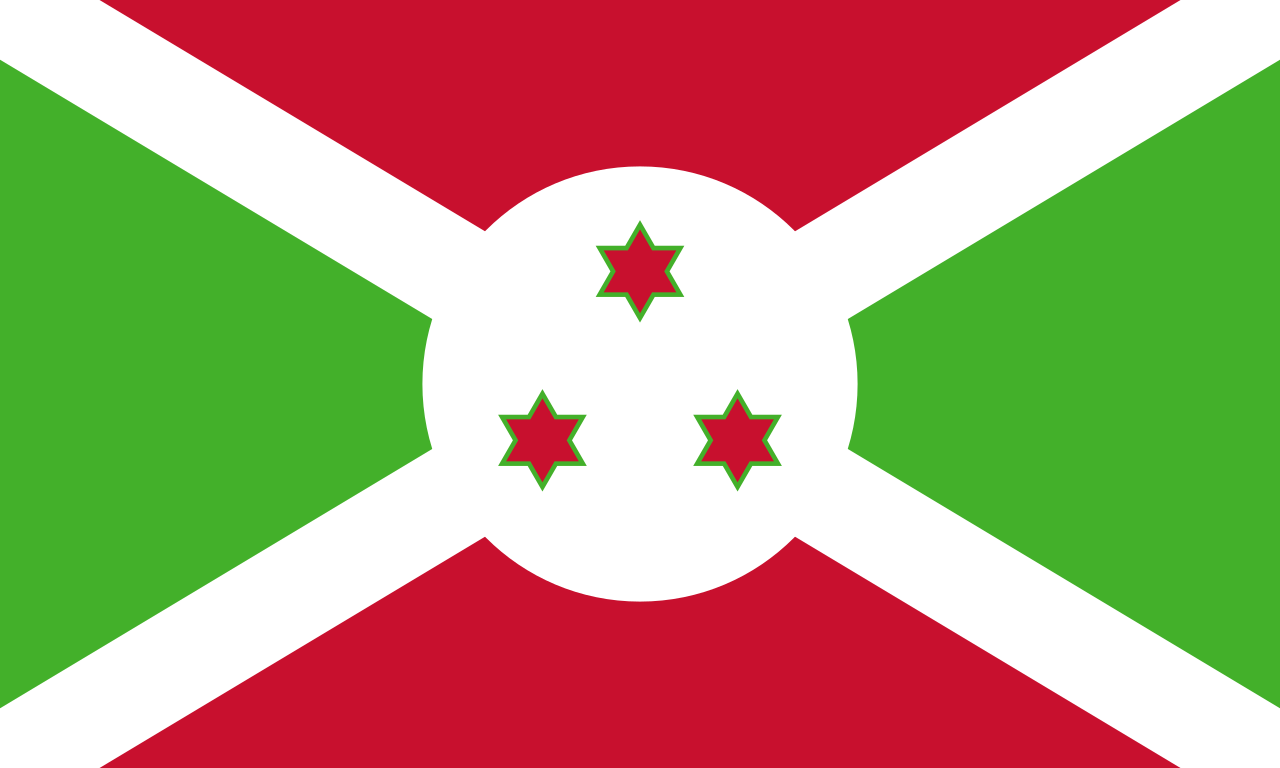
Burundi Facts For Kids
Videos & Quizzesincluded
About this topic
Burundi is a small country in East Africa, located near the shores of Lake Tanganyika. 🏞️ It is bordered by Rwanda to the north, Tanzania to the east, and the Democratic Republic of the Congo to the west. The capital city of Burundi is Gitega, which is known for its beautiful hills and forests. Burundians speak Kirundi, French, and English. The country is famous for its drums and rich culture, where dance is a big part of celebrations! 🎉Despite its size, Burundi is home to many interesting people and unique traditions.
Explore with ChatDinoKey Points
Burundi has a vibrant culture filled with music, dance, and art!
Burundi is primarily an agricultural country.
Burundi has a long history, dating back thousands of years!
Burundi is a hidden gem for travelers, offering breathtaking landscapes and cultural experiences!
Burundi has a presidential system of government.
Education in Burundi is essential and offered at various levels.
Burundi is a landlocked country, meaning it doesn’t have any coastlines.
As of October 2023, Burundi is focusing on rebuilding and developing its economy.
Burundi has diverse plants and animals!
Photos of Burundi

Map of Burundi

Flag of the Kingdom of Burundi (1962–1966).

Independence Square and monument in Bujumbura.

Belligerents of the Second Congo War. Burundi backed the rebels.

View of the economic capital city Bujumbura in 2006

Gitega became the capital of Burundi in 2019

Pierre Nkurunziza, President of Burundi from 2005 to 2020

Embassy of Burundi in Brussels

Map of the provinces of Burundi as of 2025.

Hippos at Kibira National Park in northwest Burundi
🎶 Culture
Burundi has a vibrant culture filled with music, dance, and art! 🎶The traditional drums of Burundi, called "Ingoma," are very important and made from animal skins and wood. People celebrate with dancing during festivals and events. The "Dance of the Drummers" is famous, where performers put on colorful outfits and showcase their skills. 🥁Food is also significant, with bananas and beans being staple ingredients. The Burundian people value community, family, and tradition, making it a warm and welcoming place!
Go deeper🌽 Economy
Burundi is primarily an agricultural country. 🌽About 90% of the people work in farming! The main crops include coffee, tea, and sweet potatoes. Coffee is especially important, as it is Burundi's biggest export. The rich soil and climate help grow high-quality coffee beans. 🏭Other industries include mining and energy production, but many people depend on farming for their daily needs. However, Burundi faces challenges in developing its economy and improving living standards for its people. 💪
Go deeper🕰️ History
Burundi has a long history, dating back thousands of years! 🕰️ It became a kingdom in the 16th century, ruled by kings known as the Mwami. The country was colonized by Germany in the late 19th century and later taken over by Belgium after World War I. 🇧🇪 Burundi became independent on July 1, 1962. However, it faced many challenges, including conflicts and political changes. In the late 1990s, Burundi struggled with a civil war. Today, it is working towards peace and stability, moving forward together as a nation. ✌️
Go deeper🏞️ Tourism
Burundi is a hidden gem for travelers, offering breathtaking landscapes and cultural experiences! 🏞️ Visitors can explore the beautiful Rusizi National Park, famous for its scenic views and wildlife. The stunning Lake Tanganyika is perfect for swimming and fishing! Many tourists enjoy seeing local craft markets and learning about the drumming tradition. 🌅Despite being lesser-known, Burundi has a lot to offer those who want to explore its nature and culture, making it an exciting place to visit!
Go deeper🏛️ Politics
Burundi has a presidential system of government. 🏛️ The president is elected every five years. The current president is Évariste Ndayishimiye, who took office in June 2020. The government is divided into different parts: the executive (president and ministers), legislative (parliament), and judiciary (courts)! 🏢Many challenges exist in politics, including finding peace and solving problems. The people of Burundi participate in elections and work together to build their nation.
Go deeper📚 Education
Education in Burundi is essential and offered at various levels. 📚Children usually start school at the age of 7. Primary education lasts for six years, and secondary school is for another six years! The government encourages literacy and provides free education, but resources can be limited. English and French are taught alongside Kirundi, helping children learn new languages. 🗣️ Education is a way for many young Burundians to make their dreams come true, with efforts focused on improving schools and opportunities.
Go deeper🌄 Geography
Burundi is a landlocked country, meaning it doesn’t have any coastlines. 🌄It has many beautiful landscapes, including hills and deep valleys. The average height is about 1,370 meters (4,490 feet) above sea level, making it quite high. Lake Tanganyika, one of the largest lakes in the world, offers a habitat for many fish and other wildlife. 🌊The weather is usually warm, with rain from February to May. Burundi also experiences cooler temperatures in the highland areas, creating a delightful mix of environments to explore!
Go deeper🎉 Current Events
As of October 2023, Burundi is focusing on rebuilding and developing its economy. 🎉The government is working on improving roads and infrastructure to make life better for everyone. People are also celebrating cultural festivals, showcasing their music and dances to promote unity. 🥳International organizations are helping Burundi with education and health programs to support its people. Positive changes are happening, and Burundians are hopeful for a bright future! ✨
Go deeper🌳 Flora And Fauna
Burundi has diverse plants and animals! 🌳The country’s forests are home to many unique species, including the African elephant and the rare shoebill stork. The lush hills are filled with colorful flowers like the beautiful orchid 🌸. Lake Tanganyika is home to many fish varieties, such as the colorful cichlids. Efforts to protect these animals and their habitats are important to keep the ecosystem healthy! 🌍
Go deeper