Bronchioles Facts For Kids
Bronchioles are tiny air passages in the lungs that branch from the bronchi and lead to the alveoli, playing a key role in the respiratory system's gas exchange process.
Select reading age
Bronchioles Facts For Kids
Videos & Quizzesincluded
About this topic
Bronchioles are tiny tubes in our lungs that help us breathe! 🌬️ They branch out from bigger tubes called bronchi. The bronchioles are super small—about the size of a pencil lead! They are found deep in our lungs, helping to move air to tiny air sacs called alveoli. When we breathe in, our body uses oxygen from the air, and bronchioles play a big part in this process. It’s like a tree with many branches, and the bronchioles are the little twigs! 🌳Learning about bronchioles helps us understand how our bodies work and stay healthy!
Explore with ChatDinoKey Points
There are two main types of bronchioles!
The bronchioles are part of the respiratory system, which is the system that helps us breathe.
Asthma is a condition that affects bronchioles and makes breathing difficult.
Bronchioles have a very important job!
Bronchioles are vital pieces of the respiratory system!
Just like any part of our body, bronchioles can get sick too!
Think of your bronchial tree like an upside-down tree!
Healthy bronchioles keep us full of energy!
If bronchioles get sick, doctors have many treatment options!
Photos of Bronchioles

Bronchioles — photo 1

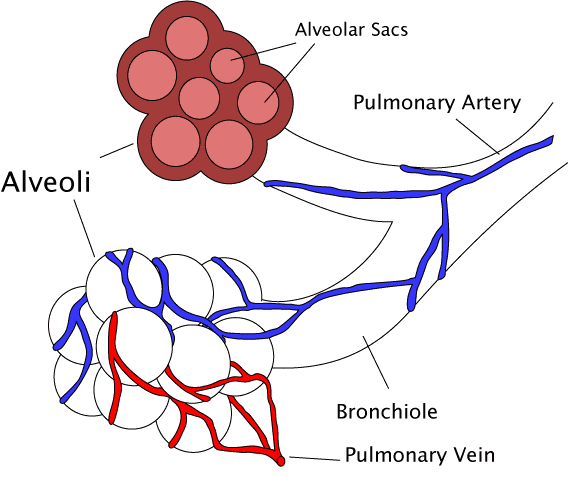
A lobule of the lung enclosed in septa and supplied by a terminal bronchiole that branches into the respiratory bronchioles. Each respiratory bronchiole supplies the alveoli held in each acinus accompanied by a pulmonary artery branch.

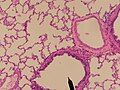
Lungs showing bronchi and bronchioles
Bronchioles — photo 4
🌬️ Types Of Bronchioles
There are two main types of bronchioles! The first one is called terminal bronchioles. These are the last branches of the conducting zone in our lungs. They don’t have alveoli coming off of them. 🌬️ The second type is called respiratory bronchioles. These do have alveoli attached where gas exchange occurs! Each type has a special job: terminal bronchioles prepare the air, while respiratory bronchioles let our body use the oxygen. This clever design helps us breathe efficiently. Our bronchioles work together like a team! 🤝
Go deeper🫁 Anatomy Of Bronchioles
The bronchioles are part of the respiratory system, which is the system that helps us breathe. 🫁They are made up of smooth muscle and lined with a mucous layer that helps trap dust and germs. A healthy bronchiole is about 1 millimeter in diameter! There are two types of bronchioles: terminal bronchioles and respiratory bronchioles. Terminal bronchioles are the last part before reaching the tiny air sacs (alveoli). Respiratory bronchioles can even help with gas exchange! These little tubes are essential for delivering air to our lungs efficiently.
Go deeper🚑 Bronchioles And Asthma
Asthma is a condition that affects bronchioles and makes breathing difficult. 🚑If someone has asthma, their bronchioles can get swollen, making it hard for air to pass through. People with asthma often carry inhalers to take a quick puff of medicine to help open their airways. Recognizing asthma symptoms, like coughing or tightness in the chest, is essential for care. Staying away from triggers like smoke or strong smells can help prevent asthma attacks. With the right management, many kids with asthma can play and run just as eagerly as everyone else!
Go deeper🌬️ Functions Of Bronchioles
Bronchioles have a very important job! They help air travel from the bronchi to the lungs' alveoli, where oxygen and carbon dioxide are exchanged. 🌬️✨ When we inhale, bronchioles expand to let in more air. Meanwhile, when we exhale, they contract to push out carbon dioxide! This process keeps our body filled with fresh oxygen, providing us energy to play, learn, and grow. Additionally, they help filter the air we breathe by trapping dust and allergens with mucus. This keeps our lungs safe and happy!
Go deeper🌬️ Role In Respiratory System
Bronchioles are vital pieces of the respiratory system! 🌬️🫁 They allow air to move from the mouth or nose to the alveoli, where oxygen and carbon dioxide swap places. When we breathe in, bronchioles expand to let in fresh air; when we breathe out, they help push out stale air. This action is crucial for providing oxygen to our bloodstream, which keeps us active. Imagine trying to run a race without taking any breaths! 🏃♂️ That's why maintaining bronchiole health is necessary for our fun and energy every day!
Go deeper😷 Diseases Affecting Bronchioles
Just like any part of our body, bronchioles can get sick too! 😷Some common diseases affecting bronchioles include asthma, bronchiolitis, and COPD (Chronic Obstructive Pulmonary Disease). Asthma makes it hard to breathe and can cause coughing or wheezing. Bronchiolitis often affects babies and young children, making their bronchioles swell. Identifying these diseases early can help doctors treat them so we can breathe better. Staying away from smoke and taking care of our lungs keeps bronchioles healthy! 🌱
Go deeper🌳 Bronchial Tree And Its Importance
Think of your bronchial tree like an upside-down tree! 🌳The trunk is the trachea (windpipe), and the branches are the bronchi and bronchioles. This tree structure is super important because it allows air to flow deep into our lungs. Each "branch" gets smaller, eventually leading to the tiny air sacs called alveoli. This design ensures that oxygen can be quickly and efficiently delivered to the blood. When we take a deep breath, it’s like watering the roots of our tree! Healthy bronchioles are crucial for us to feel energetic and strong! 💪🏼
Go deeper🌈 Bronchioles In Health And Disease
Healthy bronchioles keep us full of energy! 🌈They help keep our lungs clear by clearing out mucus and dirt. However, when they become inflamed or blocked due to illness, it can be tricky to breathe! Knowing the signs of sickness, like difficulty breathing, helps us understand when to ask for help. Doctors can examine our lungs using tools like spirometers to measure how well we breathe. It’s essential to take care of our bronchioles, just like you would care for a houseplant! 🌿With good habits, we can keep our bronchioles healthy!
Go deeper💊 Treatment And Management Of Bronchial Conditions
If bronchioles get sick, doctors have many treatment options! 💊Medicine can help open up inflamed bronchioles, making breathing easier. Sometimes, doctors will also recommend breathing exercises or special devices, like nebulizers, to help. A healthy diet and regular exercise are also important for keeping bronchioles happy! Drinking water and avoiding smoking are easy ways to support our respiratory health! 🥤💪 If you're ever dealing with trouble breathing, don’t hesitate to talk to a grown-up or visit a doctor. Everyone can take steps to ensure their bronchioles stay in tip-top shape!
Go deeper