Brassicales Facts For Kids
Brassicales is an important order of flowering plants known for many dietary staples and unique characteristics.
Select reading age

Brassicales Facts For Kids
Videos & Quizzesincluded
About this topic
Brassicales is a special group of plants that includes many delicious veggies and beautiful flowers! 🥦🌼 These plants belong to a larger group called eurosids II. They can be found all over the world, but most grow in Europe, Africa, and Asia. Some popular members are broccoli, cabbage, and mustard. 🥬Did you know that Brassicales plants often have four petals in their flowers, giving them a unique shape? 🍃They play an important role in our diet and the environment! Let’s explore more about these fascinating plants!
Explore with ChatDinoKey Points
Brassicales plants have some cool features!
The Brassicales order includes several well-known families!
Farmers around the world love to grow Brassicales plants!
Brassicales plants have been around for a long time!
Here are some fun facts about Brassicales!
Brassicales plants like broccoli, kale, and Brussels sprouts are superfoods!
Brassicales plants play an important part in many cultures around the world!
Brassicales plants play a crucial role in their ecosystems!
Just like us, Brassicales can get sick and can also attract pesky pests!
Caring for Brassicales plants is essential to protect our ecosystem!
Photos of Brassicales
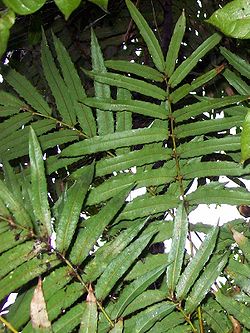
Brassicales — photo 1

Brassicales — photo 2

Brassicales — photo 3

Capparis spinosa, (Κάππαρη in greek), Location: Attica

Brassicales — photo 5

Brassicales — photo 6

Brassicales — photo 7

Brassicales — photo 8

🌱 Characteristics Of Brassicales
Brassicales plants have some cool features! 🌱They usually have a distinctive four-petaled flower, often shaped like a cross - that's why some people call them cruciferous! They often have green, leafy tops and can be tall or short. 🌿Many of these plants are known for their spicy seeds! For example, mustard seeds are tiny but have a strong flavor. In addition, Brassicales have a special chemical called glucosinolates that helps defend them against pests! 🐛Their unique traits help them grow strong and healthy in different environments!
Go deeper🌻 Major Families Within Brassicales
The Brassicales order includes several well-known families! One of the largest families is the Brassicaceae, also known as the mustard family. 🌻It includes favorites like cabbage, kale, and radishes! Another family is the Cleomaceae, which has pretty flowers like spider plants. 🌸The Caricaceae family includes the papaya tree, which produces yummy fruit! 🍈Each family has its own unique plants that are special in their way. By exploring these families, we learn how diverse and amazing nature can be!
Go deeper🌾 Cultivation And Uses Of Brassicales
Farmers around the world love to grow Brassicales plants! 🌾They can be planted in gardens, fields, or greenhouses. These plants mostly thrive in cooler temperatures and need plenty of sunlight and good soil to grow strong! ☀️ The leaves, flowers, and seeds of Brassicales are often used in cooking. For example, cabbage can be turned into tasty coleslaw, and broccoli can be steamed for a healthy side dish! 🥦They are also used to make sauces, pickles, and even mustard!
Go deeper🌍 Evolutionary History Of Brassicales
Brassicales plants have been around for a long time! 🌍They started to appear around 60 million years ago when the earth was very different. Over time, they evolved into many different varieties that we know today. 🌱Scientists believe that these plants evolved to survive in various climates and conditions, making them very adaptable. Fossils of some Brassicales plants have been discovered, providing clues about their history! 🔍By studying these plants, scientists learn how they fit into the big puzzle of life on Earth!
Go deeper🌟 Interesting Facts About Brassicales
Here are some fun facts about Brassicales! 🌟The word "Brassica" comes from Latin and means "cabbage." Did you know that the largest cabbage in the world weighed over 138 pounds? 😲Also, Brussels sprouts are actually mini cabbages that grow along the stem! 🌿Many Brassicales plants have strong flavors, like wasabi, used in sushi. 🌊So, the next time you eat your veggies, remember they’re not only healthy but also connected to fascinating plants with lots of history and stories to tell! 🌈
Go deeper🥗 Nutritional Benefits Of Brassicales
Brassicales plants like broccoli, kale, and Brussels sprouts are superfoods! 🥗They are packed with vitamins and minerals that keep our bodies healthy. For instance, they are rich in vitamin C, which helps strengthen our immune system. 🚀They also contain fiber, which helps our tummy feel good! Eating these veggies can even lower the risk of certain diseases! ❤️ It’s important to eat different colors of fruits and veggies, and Brassicales offer plenty of color on our plates!
Go deeper🌍 Cultural Significance Of Brassicales
Brassicales plants play an important part in many cultures around the world! 🌍In many Asian cultures, such as China, vegetables like bok choy are considered staples in their diets. 🥢In Europe, cabbage is used in traditional dishes like sauerkraut. Germany even has a special festival celebrating cabbage! 🎉People throughout history have grown Brassicales for food and medicinal purposes. So when you enjoy a plate of veggies, remember their cultural connections and the stories they tell!
Go deeper🌳 Ecological Importance Of Brassicales
Brassicales plants play a crucial role in their ecosystems! 🌳They provide food for many animals, including bees, butterflies, and birds. 🦋These plants help support pollinators, which are essential for the growth of other plants. They also improve soil quality by breaking down nutrients, making it easier for other plants to grow! 🌾Additionally, Brassicales can help restore habitats and even absorb harmful chemicals from the soil. So, every time you eat broccoli or admire those bright yellow flowers, remember how important they are to nature!
Go deeper🐜 Pests And Diseases Affecting Brassicales
Just like us, Brassicales can get sick and can also attract pesky pests! 🐜Some common pests include aphids, cabbage worms, and flea beetles. These little critters can eat the leaves and damage the plants. 🌿Other problems can arise from diseases like downy mildew or white rust, which can make the plants unhealthy. Farmers use different ways to protect Brassicales, such as natural pesticides and crop rotation, so these plants can stay strong and grow healthy!
Go deeper🌱 Conservation Efforts Related To Brassicales
Caring for Brassicales plants is essential to protect our ecosystem! 🌱Many organizations are working to conserve these valuable plants and their habitats. Farmers are learning sustainable practices, such as organic farming, to reduce harmful chemicals in the soil. 🌍Seed banks are also preserving old and rare varieties of Brassicales to ensure they don’t go extinct. Community gardens allow people to grow Brassicales plants together while learning about biodiversity! 🌳By supporting these efforts, we can help keep Brassicales thriving for future generations!
Go deeper