Borassus Flabellifer Facts For Kids
Borassus flabellifer, commonly known as the palmyra palm, is a tall fan palm tree native to South and Southeast Asia, famous for its impressive height and versatile uses.
Select reading age

Borassus Flabellifer Facts For Kids
Videos & Quizzesincluded
About this topic
Borassus flabellifer, often called the palmyra palm, is a tall tree 🌴 that grows mainly in South Asia and Southeast Asia. People love this tree for its giant, fan-shaped leaves and its big, round fruits! The palmyra palm can grow up to 30 meters (about 98 feet) tall! It's called by different names, such as tala in India and toddy palm in Thailand. This impressive tree can live for around 80-100 years! People use many parts of the palmyra palm for food, drinks, and building materials. Isn't it amazing how much nature gives us? 🌍✨
Explore with ChatDinoKey Points
Palmyra palm is part of a big family of palm trees, which includes many relatives!
The fruits of the palmyra palm, also called ice apples, pack a nutritional punch!
Palmyra palms are really tall and can grow up to 30 meters (98 feet)!
The palmyra palm is super important in many cultures!
The palmyra palm helps our planet in many ways!
The palmyra palm loves warm, tropical places.
Sadly, the palmyra palm faces some threats!
Growing a palmyra palm is a rewarding experience!
The palmyra palm belongs to the Arecaceae family, which is also known as the palm family.
In traditional medicine, the palmyra palm is considered amazing!
Photos of Borassus Flabellifer

Borassus Flabellifer — photo 1


Male inflorescence

Preparation of Borassus flabellifer seeds in a road stall ( Myanmar ).

Borassus Flabellifer — photo 6

Borassus Flabellifer — photo 7
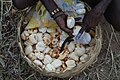
Borassus Flabellifer — photo 8

🌴 Related Species
Palmyra palm is part of a big family of palm trees, which includes many relatives! 🌴Some closely related species are the date palm (Phoenix dactylifera), known for its sweet dates, and the coconut palm (Cocos nucifera), famous for its delicious coconuts! 🥥Other relatives include the sago palm and the oil palm, which produce products like sago and palm oil. These related species also have loads of uses and play important roles in their respective ecosystems. Learning about them helps us appreciate the diversity of life around us! 🌍✨
Go deeper🍏 Nutritional Value
The fruits of the palmyra palm, also called ice apples, pack a nutritional punch! 🍏They are low in calories and are super hydrating because they have a lot of water. Ice apples are rich in vitamins and minerals, including Vitamin C, calcium, and iron! ✨They also contain healthy carbohydrates, giving you energy to play and learn. In addition, the sap from the tree is a great source of natural sugars, making it a popular refreshment. So, next time you munch on ice apples, remember you're enjoying a tasty snack full of goodness! 🎉
Go deeper😲 Physical Description
Palmyra palms are really tall and can grow up to 30 meters (98 feet)! 😲They have large, fan-shaped leaves that can be up to 1 meter (3 feet) wide. These leaves are dark green and look like big hands reaching for the sky! 🌳The trunk of the palmyra palm is thick and strong; it’s usually grayish-brown and can be about 1 meter wide at the base. The tree produces round fruits called "ice apples" that are sweet and delicious! 🍏These fruits grow in clusters at the top of the tree. The cool shape and structure of the palmyra palm make it truly stand out!
Go deeper🎉 Cultural Significance
The palmyra palm is super important in many cultures! 🎉In India, it is often featured in festivals and ceremonies. People believe the tree brings good fortune and plays a big part in local traditions. The leaves are sometimes used to make traditional hats and mats. 🌱In Ayurveda, an ancient Indian system of medicine, the tree has many uses. In Thailand, the sweet sap from the tree is tapped to make a popular drink called "toddy." 🍹 People across various cultures find joy, food, and purpose from this palm! How cool is that?
Go deeper🌍 Ecological Importance
The palmyra palm helps our planet in many ways! 🌍As it grows tall, it provides shade for other plants and animals, creating a cool habitat. The tree also helps improve soil health with its fallen leaves, adding nutrients that help other plants grow! 🌱Many birds and insects find homes in its thick leaves and trunk. Additionally, the palmyra palm contributes to the local economy by providing food and materials. By taking care of these trees, we support our environment and promote biodiversity! Let’s be friends with nature! 🐦✨
Go deeper🌞 Habitat And Distribution
The palmyra palm loves warm, tropical places. 🌞It can be found in countries like India, Sri Lanka, Thailand, and Cambodia! This tree grows best in sandy and well-drained soil, often near rivers and coastlines. 🏞️ You can find these amazing palms growing in villages and forests alike. The palmyra palm thrives in areas where temperatures are usually above 20°C (68°F). Because it can adapt to different conditions, the palmyra palm is a true survivor in nature! 🌼Let's keep an eye out for these beautiful trees the next time we're outdoors!
Go deeper🌧️ Threats And Conservation
Sadly, the palmyra palm faces some threats! 🌧️ Urbanization, deforestation, and climate change are endangering these beautiful trees in many regions. Some people cut them down for land development, while others may not understand their importance. Conservation efforts, like planting new palms and protecting their habitats, help ensure that future generations can enjoy them! 🌍By learning about and respecting the palmyra palm, we can all help in saving this wonderful tree and its ecosystem! Let’s work together to protect nature! 🌼✨
Go deeper🌴 Cultivation And Propagation
Growing a palmyra palm is a rewarding experience! 🌴These palms like warm weather and well-drained soil. You can plant a seed from the fruit, and with a little patience, it will start to grow! 🌱It may take a few years to see the tree reach its full height. Once established, the palmyra palm needs minimal care, such as watering during dry spells. People often grow these palms in home gardens and farms for their wonderful fruits and leaves. 🌳If you plant one, make sure to give it love and attention, and it will thrive!
Go deeper🌿 Taxonomy And Classification
The palmyra palm belongs to the Arecaceae family, which is also known as the palm family. 🌿Its scientific name is Borassus flabellifer. The genus name, Borassus, comes from the Greek word for palm tree. The species name, flabellifer, means "fan-bearing" in Latin. This special tree is part of a large family of over 2,500 species of palms! 🌴While the palmyra is unique, some relatives include date palms and coconut palms. Learning about how things are classified helps us understand the plant world better! 📚🌟
Go deeper🌿 Uses In Traditional Medicine
In traditional medicine, the palmyra palm is considered amazing! 🌿Different parts of the tree are used for healing purposes. The sap collected from the tree can help reduce fever and is thought to boost energy! The sweet ice apples are full of nutrients and are tasty, helping with hydration. 🍏People believe the leaves can treat skin problems and even improve digestion. Ancient healers have cherished the palmyra palm for generations, showing us that nature can be our best medicine! 🌼Always remember to consult adults when exploring natural remedies!
Go deeper