Blattodea Facts For Kids
Blattodea is an order of insects that includes diverse groups such as cockroaches and termites, known for their ecological roles and unique characteristics.
Select reading age
Blattodea Facts For Kids
Videos & Quizzesincluded
About this topic
Blattodea is a fascinating group of insects that include cockroaches 🪳 and termites 🐜! There are more than 4,600 different species of cockroaches around the world, while over 3,000 types of termites exist. These insects can be found almost everywhere, from the jungles of South America 🌳 to the deserts of Africa 🏜️. Blattodea play important roles in ecosystems, helping to decompose organic material and recycle nutrients. So, the next time you see a cockroach or a termite, remember that they are part of a special club of insects that do a lot for our planet!
Explore with ChatDinoKey Points
Did you know that cockroaches can live for a week without their heads?
Blattodea are vital for the environment.
Cockroaches are omnivores, meaning they eat a variety of things!
Blattodea can be found all over the world!
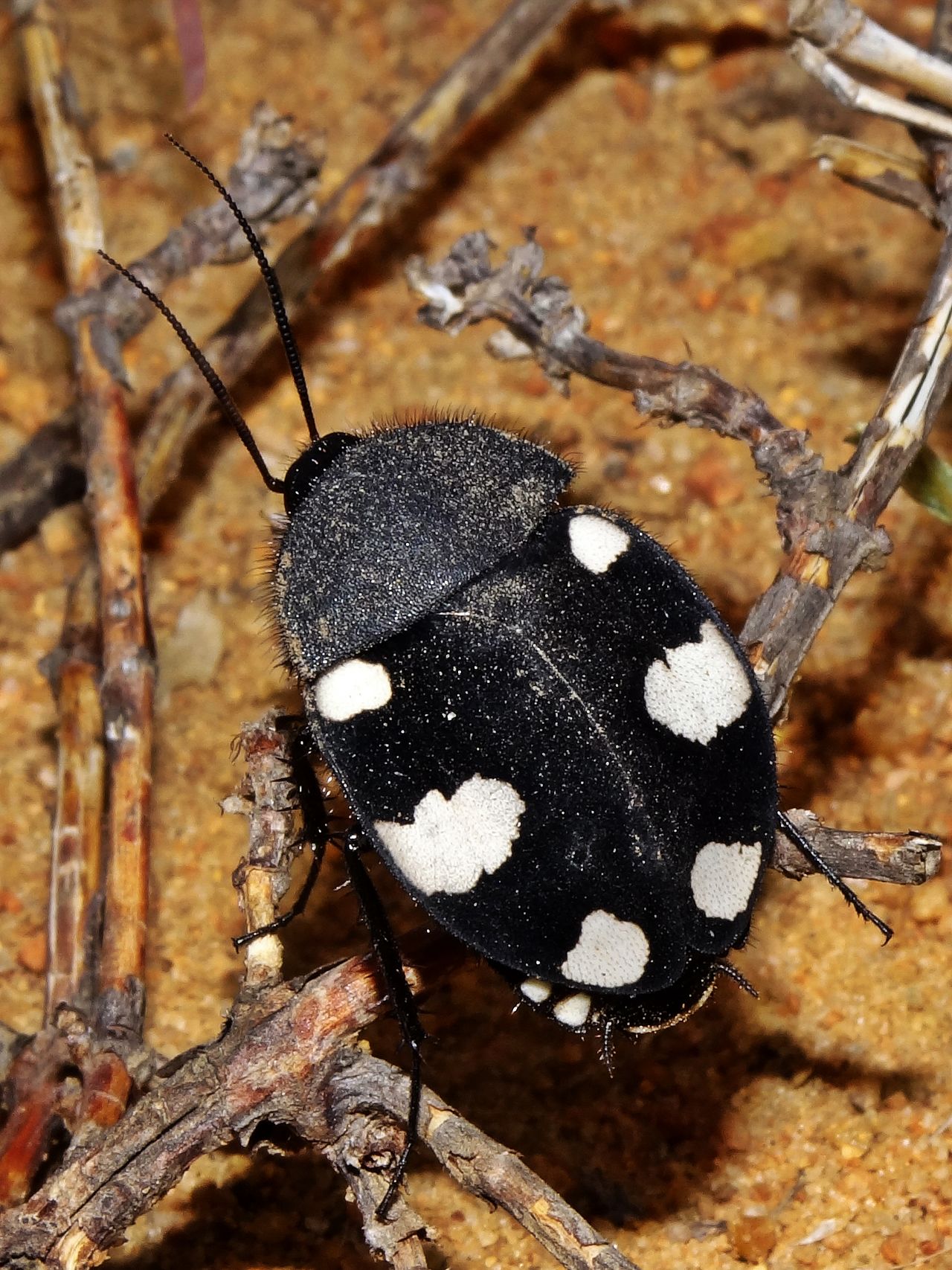
Cockroaches have flat, oval bodies, long antennae, and six legs.
Though they play important roles in nature, cockroaches can be pests in homes and businesses!
Cockroaches reproduce by laying eggs in special cases called oothecae.
Blattodea belongs to the class Insecta, which means "insects."
Cockroaches are typically solitary, but they can sometimes be seen in groups, especially when looking for food!
In many cultures, cockroaches are seen as symbols of resilience since they can survive in tough conditions.
Photos of Blattodea

American cockroach

Termites

Cathedral termite mounds, Northern Territory, Australia
🥴 Interesting Facts
Did you know that cockroaches can live for a week without their heads? 🥴This is because they breathe through tiny holes in their bodies! Termites are known as "nature's recyclers," and some species can build mounds that reach 30 feet high! 🏗️ Cockroaches are also super fast, able to run up to three miles per hour. ⚡They have been around for over 300 million years, making them one of the oldest insects on Earth! Next time you see a cockroach or a termite, remember how amazing and important these little critters really are! 🌟
Go deeper🌿 Ecological Importance
Blattodea are vital for the environment. 🌿Cockroaches help break down organic matter, such as dead plants and leaves, recycling nutrients back into the soil. This makes it healthier for other plants to grow! Termites also play a crucial role as decomposers, turning wood into rich soil. Their tunneling creates air pockets in the soil, helping water and nutrients reach plant roots. 🌳This enhances plant growth and overall ecosystem health. Without Blattodea, many ecosystems wouldn't function optimally, showing us just how important these small creatures are to our planet!
Go deeper🐾 Diet And Feeding Habits
Cockroaches are omnivores, meaning they eat a variety of things! 🐾They love decaying plants, leftover food, and even paper. They have a super strong mouth that lets them chew tough materials. Termites, on the other hand, primarily eat wood, though they can also munch on leaves, dead plants, and soil! 🌳They have special bacteria in their bodies that help them digest wood effectively. Since they work in teams, they can break down large amounts of wood together, making them excellent recyclers in nature. Both insects play crucial roles in their environments by consuming organic materials!
Go deeper🌧️ Habitat And Distribution
Blattodea can be found all over the world! Cockroaches love warm, humid places like rainforests 🌧️ and city basements, making them very adaptable. Termites also thrive in warm areas, but they prefer habitats with lots of wood, such as forests and grasslands. 🌾Most termites live in tropical regions like Africa, Australia, and South America, but some can also be found in temperate areas. While there are many types of cockroaches and termites, both groups are popular because they have adapted to survive in diverse climates and environments!
Go deeper🌟 Physical Characteristics
Cockroaches have flat, oval bodies, long antennae, and six legs. 🌟They can be light brown, black, or even yellow! Some have wings, while others don’t. On the other hand, termites are more robust with a soft, pale body. Termites also have a distinct head, and their size varies depending on the species. 🐛While cockroaches can be as long as 4 inches, termites are usually smaller. Both insects have excellent hearing and touch using their antennae. They may look different, but they share a lot of features that help them survive in their environments!
Go deeper🚫 Pest Control And Management
Though they play important roles in nature, cockroaches can be pests in homes and businesses! 🚫It's important to keep places clean to prevent them from invading. Some ways to manage pests include sealing cracks, removing food scraps, and using natural repellents like diatomaceous earth. For termites, prevention is key! ✋Keeping wood away from soil and using chemical treatments can help protect homes. Homeowners can also use bait systems to attract and eliminate termites before they can cause damage. Remember, it’s always good to call in professionals if an infestation occurs!
Go deeper🥚 Reproduction And Life Cycle
Cockroaches reproduce by laying eggs in special cases called oothecae. 🥚Each case can hold 30 to 40 eggs, and the eggs eventually hatch into baby cockroaches! These babies are called nymphs, and they look like tiny adults. 🐞They go through several stages, called molts, before becoming adults. Termites also lay eggs, but their life cycle is a bit different. The queen can lay thousands of eggs every day! Once the eggs hatch, they turn into nymphs as well. Termites grow into different roles within their colony as they mature, such as workers or soldiers.
Go deeper🌍 Taxonomy And Classification
Blattodea belongs to the class Insecta, which means "insects." 🌍 This order is divided into two main families: Blattidae (cockroaches) and Termitidae (termites). Cockroaches and termites were once thought to be different groups, but scientists discovered they share a common ancestor! 🧬Cockroaches can be found in various environments, while termites are often social insects living in colonies. Termites are further split into four subgroups: drywood, dampwood, subterranean, and Formosan. This diverse family tree shows how unique and special each insect type is within Blattodea!
Go deeper🥘 Behavior And Social Structure
Cockroaches are typically solitary, but they can sometimes be seen in groups, especially when looking for food! 🥘Some cockroach species communicate using special smells called pheromones. Termites, on the other hand, are super social! They live in large colonies with thousands of members. Termite societies have a queen, a king, workers, and soldiers. 👑The queen lays eggs, while workers gather food and build nests. Soldiers protect the colony! This social structure helps termites thrive as they work together to care for their home and each other.
Go deeper🌎 Cultural Significance And Myths
In many cultures, cockroaches are seen as symbols of resilience since they can survive in tough conditions. 🌎For example, in some parts of the world, they represent survival and adaptability! Termites have even been celebrated in folklore for their hard work and teamwork. Many people imagine cockroaches when they think of filthy places, but some cultures consider them a food source, especially in Asia. 🍽️ It's essential to remember that these insects have different meanings depending on where you are in the world!
Go deeper