Black-headed Gull Facts For Kids
The black-headed gull is a medium-sized gull characterized by its distinctive chocolate-brown head during the breeding season and is often found near water bodies.
Select reading age

Black-headed Gull Facts For Kids
Videos & Quizzesincluded
About this topic
The black-headed gull is a lovely bird known for its distinctive black head during the breeding season! 🐦These birds are found mainly in Europe, Asia, and parts of North America. They usually measure around 30-35 cm long and have a wingspan of about 80-90 cm. During winter, their heads turn white with just a few dark spots, making them easy to spot near lakes and coastlines! Black-headed gulls are social birds, often seen in large flocks, making their lively calls and beautiful presence a joy to witness. 🌊
Explore with ChatDinoQuick Facts
Key Points
Did you know that black-headed gulls often "dance" on the water?
Good news!
When breeding season comes, black-headed gulls get busy!
Black-headed gulls have striking appearance!
Black-headed gulls are not just pretty birds; they have a place in culture, too!
These clever birds are not picky eaters!
Black-headed gulls love to hang out near water!
Black-headed gulls are social and playful!
Photos of Black-headed Gull

Black-headed Gull — photo 1

Black-headed Gull — photo 2

Black-headed Gull — photo 3
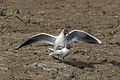
Black-headed Gull — photo 4
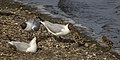
Black-headed Gull — photo 5

Black-headed Gull — photo 6

Black-headed Gull — photo 7

Black-headed Gull — photo 8
💃 Interesting Facts
Did you know that black-headed gulls often "dance" on the water? 💃They flap their wings and run on the water's surface, which is a fun behavior that helps them chase after food. They also have an amazing memory! 🤔Black-headed gulls can recognize their friends and remember where they found food before. These birds are clever and adapt quickly to their surroundings, making them fascinating creatures to observe! 🐥
Go deeper🌍 Conservation Status
Good news! The black-headed gull is not considered endangered. 🌍Their population is stable, and they are classified as "Least Concern" by the International Union for Conservation of Nature (IUCN). However, they do face threats like habitat loss and pollution. To help keep their habitat safe, people can help clean up beaches and lakes and protect their nesting sites! It’s important to care for nature to keep these beautiful gulls flying high! 🌈
Go deeper🥚 Breeding And Nesting
When breeding season comes, black-headed gulls get busy! 🥚They usually mate in April or May, building nests on the ground near water. These nests are made of grass, reeds, and other plant materials. Female gulls lay 2-3 eggs, which are usually speckled brown to help them blend in with the surroundings. Both parents take turns incubating the eggs and looking after the chicks after they hatch! The fluffy chicks are quick learners and can fly just a few weeks after hatching! 🌱
Go deeper🦅 Physical Description
Black-headed gulls have striking appearance! They have slender bodies, white feathers, and long wings. Their beak is bright red, which helps set them apart from other gulls. 🦅Their legs are also red, which looks amazing against their white body. When in flight, you can see their black-tipped wings. Adult black-headed gulls are often seen sitting on the ground or diving into water, showing off their smart looks. 🏖️
Go deeper🎨 Cultural Significance
Black-headed gulls are not just pretty birds; they have a place in culture, too! 🎨In many countries, they are featured in art, stories, and folklore. Because they are often found around people, these birds symbolize freedom and joy in the natural world. In some places, people enjoy watching them as part of birdwatching! 🕊️ They remind us of the importance of nature and encourage people to appreciate our beautiful environment!
Go deeper🍽️ Diet And Feeding Habits
These clever birds are not picky eaters! 🍽️ Black-headed gulls love to snack on insects, small fish, crustaceans, and even scraps left by humans. They often feed by diving into the water or scavenging on the ground. 🦐They are also known to follow fishing boats to catch leftovers. Their excellent eyesight helps them spot food from great distances. Black-headed gulls can often be seen searching for food in the sand at beaches or by lakes! 🏝️
Go deeper💧 Habitat And Distribution
Black-headed gulls love to hang out near water! 💧They are often found near lakes, rivers, marshes, and coastlines. These birds prefer open areas where they can search for food easily. In Europe, they breed in places like wetlands and on small islands. They migrate to warmer areas, like Spain and North Africa, during the winter. Black-headed gulls are adaptable, meaning they can thrive in both urban and rural settings! 🏙️
Go deeper🌟 Behavior And Social Structure
Black-headed gulls are social and playful! 🌟They often gather in large groups, which helps them find food and stay safe from predators. These birds communicate with a variety of sounds, including calls and squawks. They also establish a pecking order within the group—some birds are more dominant and secure better feeding spots! 🥇When they’re not looking for food, they love to flap their wings and have fun flying together.
Go deeper