Bituminous Coal Facts For Kids
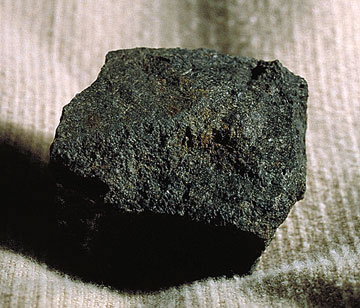
Bituminous coal, or black coal, is a type of coal containing a tar-like substance called bitumen or asphalt, formed from ancient plants over millions of years.
Select reading age
Bituminous Coal Facts For Kids
Videos & Quizzesincluded
About this topic
Bituminous coal, commonly known as black coal, is a special type of rock found deep underground. 🌍This coal is created from plants that lived millions of years ago! Over time, layers of dirt and water pressed down on these plants, turning them into coal. Bituminous coal is used all around the world, especially in countries like the United States, China, and Australia. With its dark color and shiny surface, this coal can help make energy, heat homes, and even create steel! 🔥Let's learn more about this amazing natural resource!
Explore with ChatDinoKey Points
There are different ways to mine bituminous coal.
People use bituminous coal in several ways.
Bituminous coal is an important source of energy for many countries.
The future of bituminous coal is changing!
In industries, bituminous coal plays a huge role!
Bituminous coal forms through a long process called coalification.
Bituminous coal is known for its black color and shiny appearance.
People have been using bituminous coal for centuries!
There are different types of coal: anthracite, bituminous, sub-bituminous, and lignite!
Mining for bituminous coal can affect our Earth.
Photos of Bituminous Coal

Bituminous coal (Pikeville Formation, Middle Pennsylvanian, Kentucky, USA)

Primary coking coal

Rajpura Thermal Power Plant

Okefenokee Swamp, a modern peat-forming swamp

Fushun coal mine, Liaoning, China

Firedamp (1889) by Constantin Meunier depicts the aftermath of a mining disaster
⛏️ Coal Mining Techniques
There are different ways to mine bituminous coal. ⛏️ One method is called underground mining, where miners dig tunnels deep into the ground to reach the coal. Another method is surface mining, where earth is removed to expose coal near the surface. 🌄Each method has its own challenges and can impact the environment differently. Safety is really important, so miners wear protective gear! Also, using new technology helps make mining safer and more efficient. Whether underground or above, miners work hard to bring coal to us!
Go deeper⚡️ Uses Of Bituminous Coal
People use bituminous coal in several ways. One of the most common uses is to produce electricity! ⚡️ Many power plants burn coal to create energy that powers our homes, schools, and businesses. Bituminous coal is also used to make steel and cement, which are used in building things like bridges and skyscrapers! 🏢It can even be turned into liquid fuels for cars or used to make chemicals for products like plastics! Isn't it cool how one rock can do so many things?
Go deeper🌍 Coal As An Energy Source
Bituminous coal is an important source of energy for many countries. 🌍It provides about 30% of the world's electricity! When burned, it releases energy that can be converted into electricity for homes and businesses. ⚡️ However, using coal also means creating pollution. That's why scientists are working hard to find cleaner and more sustainable energy sources, like solar and wind power! 🌞Wind turbines and solar panels can help reduce our reliance on coal and keep our air clean for everyone!
Go deeper🌱 Future Of Bituminous Coal
The future of bituminous coal is changing! 🌱While it has been a key energy source, people are looking for cleaner options like solar and wind power. 🌞Many countries are trying to reduce coal use because of pollution. However, scientists are finding new ways to use coal more responsibly, like carbon capture technology to clean emissions! 🔍This could help keep bituminous coal part of our energy mix while protecting the environment. The future is about finding a balance, so we can protect our planet while still using our resources wisely! 🌎✨
Go deeper🏭 Bituminous Coal In Industry
In industries, bituminous coal plays a huge role! 🏭It's used to create steel, which makes everything from buildings to cars. The process involves heating coal in special ovens to extract a gas called coke, which is essential for steel production! Additionally, it's used to produce cement, which helps build strong structures. 🏢Bituminous coal's versatility means it's important in construction and manufacturing. Innovations in this field are making it easier to use coal while reducing pollution, helping us balance industry needs with protecting our planet! 🌍
Go deeper🕰️ Formation Of Bituminous Coal
Bituminous coal forms through a long process called coalification. 🕰️ This starts millions of years ago when plants, like trees and ferns, fell into swamps. Over time, sediment covered these plants and they began to decay. As more layers of sediment piled on top, heat and pressure changed the dead plants into coal! 🌿It can take up to 100 million years to form just a bit of bituminous coal. That’s like waiting for a new dinosaur to be discovered! 🦖Amazing, right?
Go deeper✨ Properties Of Bituminous Coal
Bituminous coal is known for its black color and shiny appearance. ✨It has a lot of carbon, which makes it great for burning. It also contains other elements like hydrogen, sulfur, and oxygen. When burned, bituminous coal produces a lot of heat and energy, which is why people use it for power! 💡On the downside, it can create pollutants when burned, so it’s important to use it wisely. Additionally, it can vary in hardness, moisture, and sulfur content depending on where it's found!
Go deeper🕰️ History Of Bituminous Coal Usage
People have been using bituminous coal for centuries! 🕰️ In the 1700s, it was first used in England for heating. By the 1800s, it became important for powering steam trains and ships, helping to grow industries and cities! The United States began mining bituminous coal in the 1800s, mainly in places like Pennsylvania and West Virginia. 🚂Today, we still depend on bituminous coal for energy, although we are finding more ways to use it responsibly. Having a history in energy shows how far we've come in using Earth’s resources!
Go deeper🔥 Comparison With Other Types Of Coal
There are different types of coal: anthracite, bituminous, sub-bituminous, and lignite! 🔥Bituminous coal is in the middle when it comes to carbon content, falling between anthracite (the highest) and lignite (the lowest). Each type has unique qualities. For instance, anthracite burns the hottest, while lignite has the most moisture. ☔️ Bituminous coal is the most commonly used type for electricity and steel production. Understanding these types helps us use coal more wisely and reduce its environmental impact! 💡
Go deeper🌿 Environmental Impact Of Coal Mining
Mining for bituminous coal can affect our Earth. 🌿When people dig up coal, it can harm plants, animals, and even rivers! Pollution from burning coal can make the air dirty and cause health problems. 🌫️ This is why it's important to find cleaner sources of energy, like wind and solar power, which help protect our planet! People are now working to reduce the impact of coal mining by using better methods and finding ways to clean the air. 🌎❤️ Protecting nature is super important!
Go deeper