Bignose Shark Facts For Kids
The bignose shark is a deep-sea species characterized by its distinctive larger snout and elongated body, primarily found in temperate waters.
Select reading age
Bignose Shark Facts For Kids
Videos & Quizzesincluded
About this topic
The bignose shark 🦈, known scientifically as *Carcharhinus altimus*, is a fascinating fish found mainly in warm coastal waters. These sharks are called "bignose" because they have large, rounded snouts! They are generally found in depths of about 30 to 800 feet (9 to 244 meters) in the Atlantic Ocean, particularly around the Gulf of Mexico and the Caribbean Sea 🌊. Growing up to 10 feet (3 meters) long, bignose sharks are often recognized by their unique appearance and playful nature. They are an essential part of the ecosystem, helping keep fish populations balanced!
Explore with ChatDinoKey Points
While bignose sharks are not currently considered endangered, their population is facing some challenges.
Scientists are always interested in learning more about bignose sharks.
Sharks, including the bignose shark, have appeared in many cultures around the world 🌍.
Bignose sharks love spending time in warm waters 🏝️.
Bignose sharks and humans sometimes encounter each other in the ocean.
Bignose sharks are known for their distinct looks!
Bignose sharks are carnivores, which means they only eat meat.
Like many sharks, bignose sharks have a special way of giving birth called viviparity.
Photos of Bignose Shark

Bignose Shark — photo 1

Bignose Shark — photo 2

The bignose shark mainly inhabits deeper water.

Bignose Shark — photo 4

Bignose Shark — photo 5

Bignose Shark — photo 6

Dogfishes (pictured: Squalus mitsukurii) are included in the diet of the bignose shark.
🛑 Conservation Status
While bignose sharks are not currently considered endangered, their population is facing some challenges. Factors like overfishing and habitat loss can affect their numbers. 🛑Fishing for bignose sharks can impact their breeding, so it’s essential for us to protect them! Organizations and researchers are working hard to monitor their populations and establish marine protected areas to ensure they have safe habitats. Learning about bignose sharks and spreading awareness can help keep these amazing creatures safe in our oceans for generations to come!
Go deeper🕵️♀️ Research And Studies
Scientists are always interested in learning more about bignose sharks. 🕵️♀️ Studies involve tracking their movements, understanding their diet, and discovering how they interact with other marine animals. For example, researchers use special tags to follow bignose sharks as they swim through various waters. By studying their behavior and habitat needs, scientists can make better decisions on how to protect these wonderful creatures. Ongoing research helps us learn more about their role in ocean ecosystems and the best ways to conserve their populations!
Go deeper🌍 Cultural Significance
Sharks, including the bignose shark, have appeared in many cultures around the world 🌍. In some traditions, they symbolize strength and resilience. Stories and legends celebrate their fearsome reputation as effective hunters in the ocean! Additionally, organizations promote shark education to reduce fear and encourage conservation efforts. Many artists and filmmakers also refer to sharks like the bignose shark in their works, showcasing the beauty and importance of these ocean inhabitants. By understanding their role in our culture, we can appreciate and protect these amazing creatures!
Go deeper🏝️ Habitat And Distribution
Bignose sharks love spending time in warm waters 🏝️. You can find them mostly in the western Atlantic Ocean, especially along the coasts of the United States and parts of Central America. They like to hang out around continental shelves, bays, and coastal reefs. These sharks prefer areas with sandy or muddy bottoms, where they can easily hide from predators and surprise their prey! Although they can dive deep to hunt, bignose sharks enjoy staying in shallow waters where they feel safe. Their wide range helps them thrive in different environments.
Go deeper🌐 Interactions With Humans
Bignose sharks and humans sometimes encounter each other in the ocean. 🌐While bignose sharks usually prefer to avoid people, they can sometimes come too close for comfort. Many fishing communities rely on sharks for food and the economy, but it’s important to fish sustainably to protect their populations. Occasionally, researchers and ocean enthusiasts study bignose sharks to share knowledge about their lives, promoting conservation. By learning more about these creatures, we can ensure a healthy relationship between humans and sharks!
Go deeper🏊♂️ Physical Characteristics
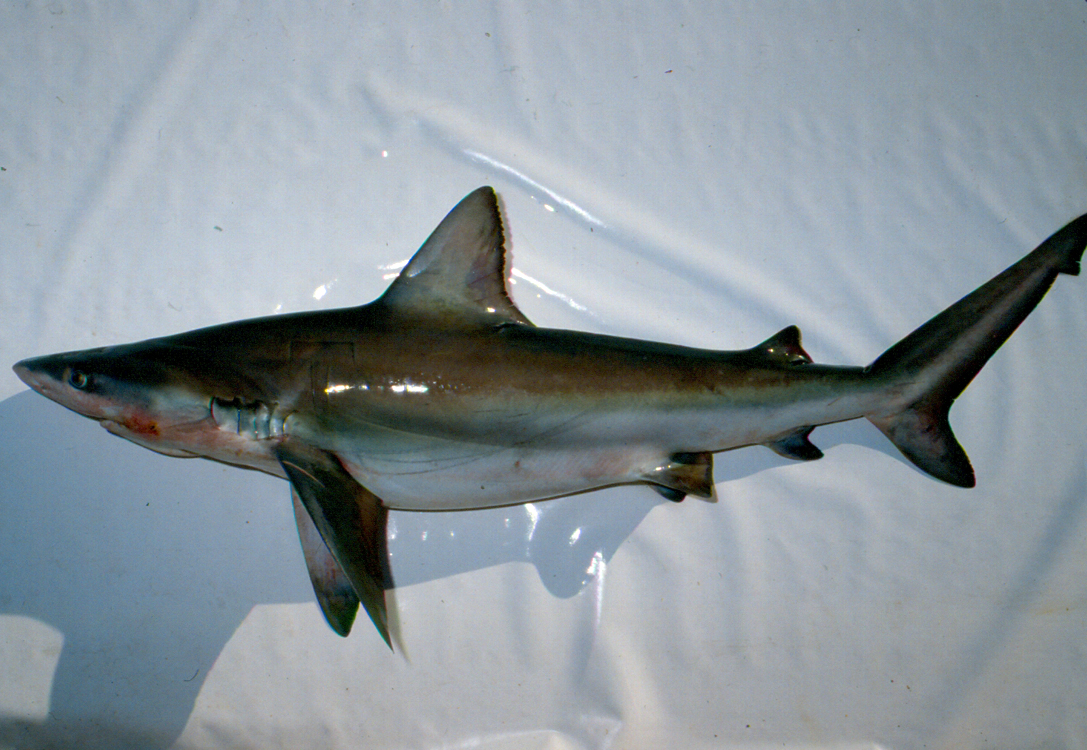
Bignose sharks are known for their distinct looks! They have a sleek, streamlined body that helps them swim fast. 🏊♂️ Their most noticeable feature is their big, bulbous snout, which can be up to 2 feet (0.6 meters) long! Their skin is usually gray on top, helping them blend with the ocean floor, and white underneath, making it hard for prey to spot them from below. These sharks have small eyes and sharp teeth that help them catch fish easily. Altogether, they make for a mighty yet graceful predator of the sea.
Go deeper🐟 Diet And Feeding Behavior
Bignose sharks are carnivores, which means they only eat meat. 🐟They mostly snack on fish, crustaceans, and even squid! These sharks are known for their hunting skills—they often hunt in groups, making it easier to catch prey. With their powerful jaws and sharp teeth, they can munch on their meals quickly. Bignose sharks even use their keen sense of smell to detect food from great distances! Their feeding behavior is super interesting, as they sometimes use surprise attacks to catch their meals or filter feed by swimming with their mouths open.
Go deeper🐾 Reproduction And Life Cycle
Like many sharks, bignose sharks have a special way of giving birth called viviparity. This means they don’t lay eggs but instead give birth to live young! 🐾Female bignose sharks carry their babies for about 10 to 12 months before giving birth to 5 to 12 pups at a time. After birth, the pups are on their own and must quickly learn to hunt and survive. Young bignose sharks typically live near the shore until they're big enough to venture into deeper waters. This makes their early life exciting and helps them grow strong!
Go deeper