All Articles

Bharatanatyam

Bharatanatyam Facts For Kids

Bharatanatyam is a beautiful and ancient classical dance form from Tamil Nadu, India, combining expressed emotions, melodies, rhythm, and storytelling.
🎨 Reading age for 6-8
Background blob
Bharatanatyam
Bharatanatyam
Facts for Kids!
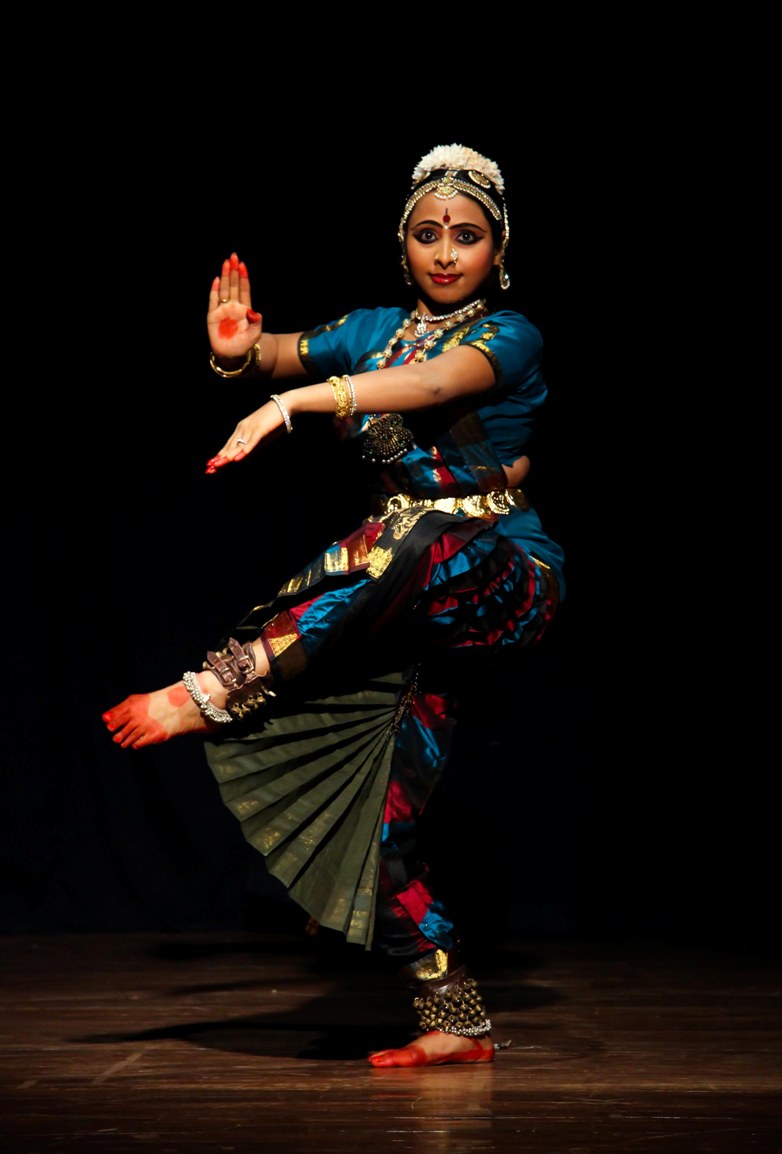
Image by Vivekh 1979, licensed under Creative Commons Attribution-Share Alike 3.0

Do more with AI

Introduction

Bharatanatyam is a beautiful classical dance from Tamil Nadu, India! 🇮🇳 It is one of the oldest dance forms in the country, dating back over 2,000 years. Bharatanatyam tells stories using dance, expressions, and music. The name comes from "Bha" (Bhava or emotion), "Ra" (Raga or melody), and "Ta" (Tala or rhythm). Dancers wear colorful costumes and perform graceful movements. Bharatanatyam is performed by both men and women! 🌟It shows the rich culture of India, and many people around the world love watching it. Are you excited to learn more? Let's dive in! 💃✨

Images of Bharatanatyam

Dancers at Thanjavur, Brihadeshwara temple dedicated to Shiva. The temple has been a center for dance since about 1000 CE.[23]Image by Arian Zwegers, licensed under Creative Commons Attribution 2.0

Dancers at Thanjavur, Brihadeshwara temple dedicated to Shiva. The temple has been a center for dance since about 1000 CE.[23]

Notable Sadir dancer Gnyana of Tanjore, 19th century.[24]

Notable Sadir dancer Gnyana of Tanjore, 19th century.[24]

Photos of BharatanatyamImage by Jean-Pierre Dalbéra from Paris, France, licensed under Creative Commons Attribution 2.0
Photos of BharatanatyamImage by Shagil Kannur, licensed under Creative Commons Attribution-Share Alike 4.0
Rukmini Devi Arundale, pictured in 1940, proposed Bharatanatyam after Hindu temple dancing was banned by the British colonial government in 1910.

Rukmini Devi Arundale, pictured in 1940, proposed Bharatanatyam after Hindu temple dancing was banned by the British colonial government in 1910.

Rama Vaidyanathan using expression and postureImage by https://www.flickr.com/photos/dalbera/, licensed under Creative Commons Attribution 2.0

Rama Vaidyanathan using expression and posture

Bharatanatyan student with guru in Arangetram ceremony[80]Image by Rghvrj, licensed under Creative Commons Attribution 4.0

Bharatanatyan student with guru in Arangetram ceremony[80]

A girl performing a Bharatanatyam dance at a Pongal Festival in Namakkal, Tamil Nadu, IndiaImage by Matthew T Rader, licensed under Creative Commons Attribution-Share Alike 4.0

A girl performing a Bharatanatyam dance at a Pongal Festival in Namakkal, Tamil Nadu, India

The Varnam part of Bharatanatyam emphasizes expressive dance.Image by User:Sivavkm, licensed under Creative Commons Attribution-Share Alike 3.0

The Varnam part of Bharatanatyam emphasizes expressive dance.

Dancers at Thanjavur, Brihadeshwara temple dedicated to Shiva. The temple has been a center for dance since about 1000 CE.[23]Image by Arian Zwegers, licensed under Creative Commons Attribution 2.0

Dancers at Thanjavur, Brihadeshwara temple dedicated to Shiva. The temple has been a center for dance since about 1000 CE.[23]

Notable Sadir dancer Gnyana of Tanjore, 19th century.[24]

Notable Sadir dancer Gnyana of Tanjore, 19th century.[24]

Photos of BharatanatyamImage by Jean-Pierre Dalbéra from Paris, France, licensed under Creative Commons Attribution 2.0
Photos of BharatanatyamImage by Shagil Kannur, licensed under Creative Commons Attribution-Share Alike 4.0
Rukmini Devi Arundale, pictured in 1940, proposed Bharatanatyam after Hindu temple dancing was banned by the British colonial government in 1910.

Rukmini Devi Arundale, pictured in 1940, proposed Bharatanatyam after Hindu temple dancing was banned by the British colonial government in 1910.

Rama Vaidyanathan using expression and postureImage by https://www.flickr.com/photos/dalbera/, licensed under Creative Commons Attribution 2.0

Rama Vaidyanathan using expression and posture

Bharatanatyan student with guru in Arangetram ceremony[80]Image by Rghvrj, licensed under Creative Commons Attribution 4.0

Bharatanatyan student with guru in Arangetram ceremony[80]

A girl performing a Bharatanatyam dance at a Pongal Festival in Namakkal, Tamil Nadu, IndiaImage by Matthew T Rader, licensed under Creative Commons Attribution-Share Alike 4.0

A girl performing a Bharatanatyam dance at a Pongal Festival in Namakkal, Tamil Nadu, India

The Varnam part of Bharatanatyam emphasizes expressive dance.Image by User:Sivavkm, licensed under Creative Commons Attribution-Share Alike 3.0

The Varnam part of Bharatanatyam emphasizes expressive dance.

Costumes And Makeup

When you see a Bharatanatyam dancer, their colorful costume is eye-catching! 🎨Dancers typically wear a brightly colored saree, which is wrapped in a special way. Their jewelry is shiny and beautiful, often made of gold or imitation materials. ✨Dancers wear a unique hairstyle, often decorated with white flowers. 🌼The makeup is important too! Dancers use bright eye makeup to enhance their expressions. Their eyebrows and lips are highlighted to make them stand out while performing. All these details help to create a magical experience for the audience! 🎭

Regional Variations

Bharatanatyam has some regional variations, making it even more interesting! 🎨While its origins are in Tamil Nadu, different areas have unique styles. For example, the style called "Kalakshetra" emphasizes grace and lyrical movements, while "Sadir" refers to the traditional form. Different dancers might add their interpretations, creating unique performances. 🌍Other states in India, like Karnataka and Kerala, have their classical dance forms too! However, Bharatanatyam's basic principles remain the same, no matter where it is performed. This highlights the beauty of India's rich and diverse dance heritage! 🌿

Training And Schools

To become a Bharatanatyam dancer, training is essential! 🏫Many dance schools around the world teach Bharatanatyam. Students begin learning basic positions, footwork, and expressions. Classes often include practicing with music and rhythms! 🎶A good teacher helps guide the students through their journey. Dancers practice regularly to improve their skills. Some famous dance institutions in India are Kalakshetra and The Bharatanatyam Academy! 🌸Students may start as young as five years old and continue to perform throughout their lives. Training is not just about dance but also about understanding the art and culture!

Cultural Significance

Bharatanatyam is not just a dance; it represents Indian culture! 🎉In ancient times, Bharatanatyam was performed as an offering to the gods in temples. 🌺Today, it continues to hold a special place in Indian celebrations, festivals, and ceremonies. The dance teaches important values like discipline, dedication, and expression. 🧘‍♂️ Kids can learn about their roots through Bharatanatyam, connecting to their heritage. It also helps promote understanding and appreciation of Indian traditions around the world. 🌏Bharatanatyam shows us the beauty of culture through dance!

Music And Accompaniment

Bharatanatyam is music and dance combined! 🎼The music for Bharatanatyam is usually Carnatic music, a special style from South India. There are instruments like the mridangam (a drum), flute, and violin that create beautiful sounds for the dance. The vocalist sings lyrics that tell stories, and the dancers follow the rhythm and melody. 🎤When the dancers move, it feels like they are dancing along with the music! 🎶The sounds make the performance lively and exciting. Music and dance go hand in hand, creating a wonderful artistic experience!

History Of Bharatanatyam

The history of Bharatanatyam goes back to ancient India! 🏛️ It was first performed in temples by Devadasis, women dancers who dedicated their lives to dance as a form of worship. The Natya Shastra, an ancient text written by Bharat Muni around 200 BCE, describes dance and drama. In the 19th century, Bharatanatyam was almost forgotten, but some amazing dancers revived it! One famous dancer, Rukmini Devi Arundale, made it popular in the 1930s and added new ideas. Today, Bharatanatyam is celebrated all over the world! 🌍Let's appreciate the hard work of those who preserved this beautiful art form!

Key Elements And Techniques

Bharatanatyam has some key elements that make it special! 🎶First, dancers use specific hand gestures called "mudras" to tell stories. 🖐️ They also perform intricate footwork with strong beats, creating beautiful rhythms. The dance has three parts: Alarippu (invocation), Jatiswaram (pure dance), and Varnam (combination of dance and storytelling). Dancers train for many years to master their movements, which include balance, flexibility, and expression. Imagine turning, jumping, and flowing like a feather! 🪶It takes practice and lots of passion to make Bharatanatyam comes to life on stage! 🌟

Famous Bharatanatyam Dancers

Many talented dancers have made Bharatanatyam famous! 🌍One legendary dancer is Rukmini Devi Arundale, known for her amazing performances and efforts to revive Bharatanatyam. Another remarkable dancer is Alarmel Valli, who has traveled worldwide to share her art. 🌏Dancers like Yamini Krishnamurthy and Malavika Sarukkai are also known for their grace and dedication. Many festivals feature performances by these fantastic artists! 🎉You can find Bharatanatyam dancers in schools, cultural events, and even movies! It's inspiring to see how they keep this beautiful art alive!

Bharatanatyam In Modern Times

Bharatanatyam is evolving in modern times! 🌟While keeping its roots, dancers now mix new styles and ideas. Some dancers experiment with contemporary themes, showcasing Bharatanatyam in new and creative ways! People make films and fusion dance performances that bring the ancient art form to a wider audience. 🎥Social media helps dancers share their skills, reaching fans all over the globe! 🌍Bharatanatyam is no longer just for traditional settings; it can now be performed in theaters, dance competitions, and even on street stages! It’s exciting to see how this dance grows!

The Role Of Expression (abhinaya)

Abhinaya is a big part of Bharatanatyam! 🤩It means "expression" and helps dancers tell stories without speaking. Dancers use their facial expressions and hand gestures (mudras) to show feelings like joy, sadness, or anger. 😲👀 For example, if a dancer pretends to be a happy bird, they might smile wide and flutter their fingers! 🐦Abhinaya brings emotions to life in a magical way, allowing the audience to connect with the story being told. The way a dancer conveys emotions makes Bharatanatyam truly special! 🌟

Bharatanatyam Quiz

Q1
Question 1 of 10

Learn more about Bharatanatyam

Ready to create?

Make

To create a safe space for kid creators worldwide!

Create

Vibe Coding

Kids GPT

All Tools

Kibu

Resources

Worksheets

SafeTube

Blog

FAQ

Account

Pricing

Log-in

Sign-up

Data Deletion

Company

About

Community Guidelines

Privacy Policy

Terms of Service

2025, URSOR LIMITED. All rights reserved. DIY is in no way affiliated with Minecraft™, Mojang, Microsoft, Roblox™ or YouTube. LEGO® is a trademark of the LEGO® Group which does not sponsor, endorse or authorize this website or event. Made with love in San Francisco.