Bearing Facts For Kids
A bearing is a machine element that helps parts move smoothly by reducing friction and constraining motion.
Select reading age

Bearing Facts For Kids
Videos & Quizzesincluded
About this topic
Bearings are special parts that help machines move smoothly! 🌟They act like tiny helpers that reduce friction, which is when things rub against each other and can cause wear. Imagine trying to slide a heavy box on the floor; it's hard, right? But with wheels (which are like bearings), it’s much easier! Bearings are found everywhere — in bicycles, cars, and even roller skates! 🚴♀️🚗 By allowing things to move freely in certain directions, bearings make our lives easier and help machines work better. Isn't that cool?
Explore with ChatDinoKey Points
Bearings work by allowing moving parts to slide or roll against each other smoothly!
There are many types of bearings, each designed for specific jobs!
Bearings are used in many cool machines you see every day!
Bearings are made from strong materials that can handle a lot of pressure!
Bearings provide lots of benefits that help machines run better!
Just like any part of a machine, bearings need care to keep them working well!
Bearings have been around for a long time!
Friction is the force that can slow things down or make them harder to move!
The future of bearing technology looks bright!
Photos of Bearing
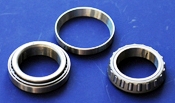
Tapered roller bearing

Drawing of Leonardo da Vinci (1452–1519) Study of a ball bearing

Early Timken tapered roller bearing with notched rollers

Wingquist original patent of self-aligning ball bearing
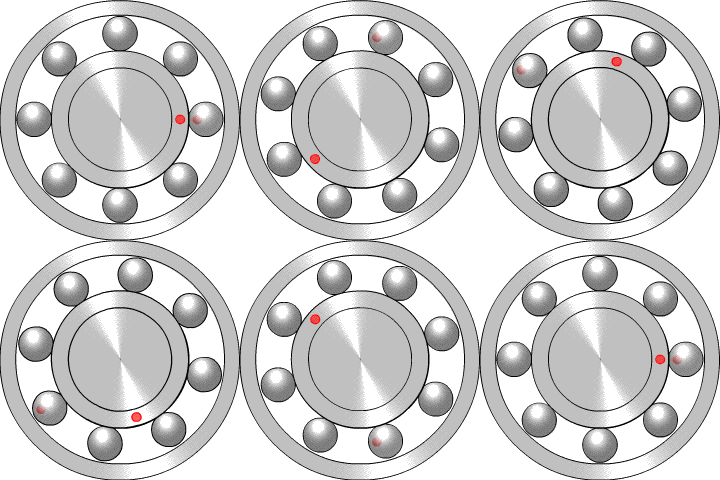
Animation of ball bearing (Ideal figure without a cage). The inner ring rotates and the outer ring is stationary.
💨 How Bearings Work
Bearings work by allowing moving parts to slide or roll against each other smoothly! 💨For example, when a bicycle wheel spins, the ball bearings inside the wheel reduce friction between the wheel's axle and the frame of the bike. This makes it easier to pedal. Imagine having a friend help you push heavy stuff — it would be much lighter! 😊By letting only certain motions happen, bearings keep everything running smoothly and safely. That's how they make machines work better and faster!
Go deeper🤔 Types Of Bearings
There are many types of bearings, each designed for specific jobs! 🤔The most common ones are ball bearings, roller bearings, and sleeve bearings. Ball bearings have small, round balls that roll and reduce friction. Roller bearings, on the other hand, use cylinders that do the same job but can handle heavier loads. Sleeve bearings are simple, using a smooth surface to help parts slide over each other. 📏Each type of bearing is like a superhero with its own special powers, helping machines work better in different situations! 🦸♂️
Go deeper🚀 Applications Of Bearings
Bearings are used in many cool machines you see every day! 🚀For instance, in a car, bearings help the wheels spin easily, making driving smooth. In a roller coaster, they help support the cars while going up and down the tracks! 🎢Additionally, bearings are used in toys, fans, and even your favorite computer! 💻Without bearings, many machines would be too slow or would wear out quickly, and many fun experiences would not be possible! So keep an eye out for bearings in action! 👀
Go deeper🔧 Material Used In Bearings
Bearings are made from strong materials that can handle a lot of pressure! 🔧The most common materials include steel, plastic, and ceramics. Steel is strong and great at reducing friction, while plastic is lightweight and can resist water. Ceramics are super tough and can handle heat! 🌡️ Each material has its own special use. For example, using plastic in a toy might make it lighter, while steel in a car helps with strength. Different materials help manufacturers create the perfect bearing for each job! 🏗️
Go deeper🥇 Advantages Of Using Bearings
Bearings provide lots of benefits that help machines run better! 🥇First, they reduce friction, which allows parts to move easily and smoothly. This means machines work faster and use less energy! ⚡Secondly, bearings can handle heavy loads without getting damaged, making them super strong! They also last longer, saving money on replacements. Plus, they make noise less, so things are quieter. 🎵The combination of these advantages makes bearings essential for all kinds of machines. They truly make everything work better!
Go deeper🧽 Bearing Maintenance And Care
Just like any part of a machine, bearings need care to keep them working well! 🧽Regular maintenance helps make sure they stay clean and free from dust and grime. This can include oiling bearings to keep them lubricated so they don't wear out. 💧If you have toys or bikes, check the bearings every so often to make sure they spin freely and are in good shape! Regular inspection can allow you to spot problems early, ensuring your favorite machines keep working smoothly for a long time! 🔍
Go deeper🏺 Historical Development Of Bearings
Bearings have been around for a long time! The first recorded use of bearings dates back to the Ancient Egyptians, who used wooden bearings in their chariots over 4,500 years ago! 🏺Later, in 1794, a man named Philip Vaughan invented ball bearings to help make wheels even smoother on carriages. And in the late 1800s, people began to use steel to improve their durability. ⚙️ So, bearings have evolved a lot over time, and thanks to inventors, they’ve become an essential part of modern machines today!
Go deeper🐌 Friction And Its Importance In Bearings
Friction is the force that can slow things down or make them harder to move! 🐌In machines, too much friction can cause wear and heat, creating problems. That's where bearings come in! By reducing friction, bearings help machines operate smoothly without overheating. ❄️ It’s like having a slippery slide instead of a rough one—much more fun! When friction is reduced, machines become efficient and last longer. So, bearings and friction work together to make sure everything runs as it should!
Go deeper🌈 Future Innovations In Bearing Technology
The future of bearing technology looks bright! 🌈Scientists are working on creating bearings made from even stronger and lighter materials, like advanced plastics or special metals. They are also experimenting with magnetic bearings, which float instead of touching, reducing friction even more! 🧲Researchers are focusing on making bearings smarter, using sensors to detect wear and tear. This means machines can tell when they need maintenance! 🔧️ With these innovations, the future of bearings will help machines last longer, run faster, and become cooler than we can imagine!
Go deeper