All Articles

Battle Of Trafalgar

Battle Of Trafalgar Facts For Kids

The Battle of Trafalgar was a significant naval engagement that took place on October 21, 1805, between the British Royal Navy and the combined fleets of France and Spain during the Napoleonic Wars.

🎨 Reading age for 6-8
Background blob
Battle Of Trafalgar
Facts for Kids!

Do more with AI

Introduction

The Battle of Trafalgar was a famous naval battle that happened on October 21, 1805. 🌊It took place off the coast of Spain, near a spot called Trafalgar. The British Royal Navy faced the combined fleets of France and Spain. This battle was very important because it helped Britain become the strongest naval power in the world! 🚢British Admiral Horatio Nelson led the attack, using smart tactics to outsmart his enemies. The battle was loud and exciting, with booming cannons and fierce fighting, but it ended up being a big victory for Britain! 🇬🇧 Let's dive into the details of this thrilling event!

Images of Battle Of Trafalgar

Photos of Battle Of Trafalgar
Amiral de Villeneuve

Amiral de Villeneuve

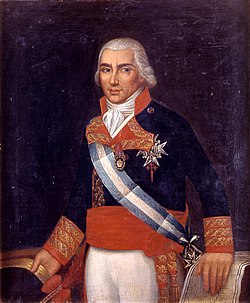
Retrato del marino español Federico Gravina (1756-1814), que fue capitán general de la Real Armada Española y caballero de la Orden de Santiago . El retratado aparece en pie, de medio cuerpo, y vistiendo uniforme pequeño de capitán general, que en aquella época era idéntico para el Ejército y la Armada. Además, aparece con las solapas abrochadas a la usanza y moda de la Armada, y luce la venera y la cruz de caballero de la Orden de Santiago , de la que era caballero, y la banda y la cruz de la Orden de Carlos III . Y el retrato fue pintado con toda probabilidad tras la muerte del teniente general.

Retrato del marino español Federico Gravina (1756-1814), que fue capitán general de la Real Armada Española y caballero de la Orden de Santiago . El retratado aparece en pie, de medio cuerpo, y vistiendo uniforme pequeño de capitán general, que en aquella época era idéntico para el Ejército y la Armada. Además, aparece con las solapas abrochadas a la usanza y moda de la Armada, y luce la venera y la cruz de caballero de la Orden de Santiago , de la que era caballero, y la banda y la cruz de la Orden de Carlos III . Y el retrato fue pintado con toda probabilidad tras la muerte del teniente general.

Nelson's search in the Mediterranean

Nelson's search in the Mediterranean

The Chase to the West Indies

The Chase to the West Indies

Battle of Trafalgar by William Lionel Wyllie, Juno Tower, CFB Halifax, Nova Scotia, Canada

Battle of Trafalgar by William Lionel Wyllie, Juno Tower, CFB Halifax, Nova Scotia, Canada

The Battle of Trafalgar painted by Samuel Drummond in 1825

The Battle of Trafalgar painted by Samuel Drummond in 1825

Nelson's signal, "England expects that every man will do his duty", flying from Victory on the bicentenary of the Battle of Trafalgar

Nelson's signal, "England expects that every man will do his duty", flying from Victory on the bicentenary of the Battle of Trafalgar

Rear-Admiral Sir Horatio Nelson, 1758-1805 label QS:Len,"Rear-Admiral Sir Horatio Nelson, 1758-1805" label QS:Lar,"نائب أمير البحار البريطاني السير هوراشيو نيلسون"

Rear-Admiral Sir Horatio Nelson, 1758-1805 label QS:Len,"Rear-Admiral Sir Horatio Nelson, 1758-1805" label QS:Lar,"نائب أمير البحار البريطاني السير هوراشيو نيلسون"

Photos of Battle Of Trafalgar
Amiral de Villeneuve

Amiral de Villeneuve

Retrato del marino español Federico Gravina (1756-1814), que fue capitán general de la Real Armada Española y caballero de la Orden de Santiago . El retratado aparece en pie, de medio cuerpo, y vistiendo uniforme pequeño de capitán general, que en aquella época era idéntico para el Ejército y la Armada. Además, aparece con las solapas abrochadas a la usanza y moda de la Armada, y luce la venera y la cruz de caballero de la Orden de Santiago , de la que era caballero, y la banda y la cruz de la Orden de Carlos III . Y el retrato fue pintado con toda probabilidad tras la muerte del teniente general.

Retrato del marino español Federico Gravina (1756-1814), que fue capitán general de la Real Armada Española y caballero de la Orden de Santiago . El retratado aparece en pie, de medio cuerpo, y vistiendo uniforme pequeño de capitán general, que en aquella época era idéntico para el Ejército y la Armada. Además, aparece con las solapas abrochadas a la usanza y moda de la Armada, y luce la venera y la cruz de caballero de la Orden de Santiago , de la que era caballero, y la banda y la cruz de la Orden de Carlos III . Y el retrato fue pintado con toda probabilidad tras la muerte del teniente general.

Nelson's search in the Mediterranean

Nelson's search in the Mediterranean

The Chase to the West Indies

The Chase to the West Indies

Battle of Trafalgar by William Lionel Wyllie, Juno Tower, CFB Halifax, Nova Scotia, Canada

Battle of Trafalgar by William Lionel Wyllie, Juno Tower, CFB Halifax, Nova Scotia, Canada

The Battle of Trafalgar painted by Samuel Drummond in 1825

The Battle of Trafalgar painted by Samuel Drummond in 1825

Nelson's signal, "England expects that every man will do his duty", flying from Victory on the bicentenary of the Battle of TrafalgarImage by No machine-readable author provided. Tkgd2007 assumed (based on copyright claims)., licensed under Creative Commons Attribution-Share Alike 3.0

Nelson's signal, "England expects that every man will do his duty", flying from Victory on the bicentenary of the Battle of Trafalgar

Course Of The Battle

The Battle of Trafalgar began early in the morning, with fog covering the sea. 🌫️ When the fog cleared, the British fleet, with 27 ships, spotted the combined French and Spanish fleets of 33 ships! Nelson quickly ordered his ships to attack. The British ships were faster and better trained, allowing them to outmaneuver their opponents. 💨Cannons roared as they fired at each other, with ships being hit and sinking. The battle lasted for about five hours but was incredibly intense! By the end, the British emerged victorious, changing the course of history! 🏆

Casualties And Damage

The Battle of Trafalgar was fierce and had many casualties on both sides. Unfortunately, about 4,400 sailors were hurt or killed during the battle. 🚑The British lost around 450 brave men, including Admiral Nelson, who was shot during the fight. 😢On the French and Spanish sides, around 3,100 men lost their lives or were injured. Many ships were damaged or sunk, with a total of 22 ships lost by the enemy. The battle was tragic, but the bravery shown by the sailors remains unforgettable. 🦸‍♂️

Aftermath And Consequences

After the Battle of Trafalgar, the effects were huge! 🌟Britain became a superpower, controlling trade and the oceans. Napoleon's dream of conquering Britain faded away, forcing him to focus on land battles instead. 🏰The British Navy continued to grow stronger, using the lessons learned from Trafalgar in future conflicts. The battles that followed, like those at Austerlitz, would shape Europe for years! The victory also led to celebrations and memorials in honor of Admiral Nelson, who became a hero. 🎖️ His legacy lives on in British history!

Significance Of The Battle

The Battle of Trafalgar was super important for many reasons! First, it confirmed Britain's control of the seas. 🌊After this battle, the British Royal Navy stayed the strongest in the world for many years. The victory also made the British people feel proud and united! 🎉Lastly, it weakened Napoleon's plans to invade Britain, changing the course of European history. This battle showed how naval power was crucial in wars, and it influenced military tactics for years to come! 📜It became a celebrated moment in naval history!

Memorials And Commemorations

In honor of the brave sailors and Admiral Nelson, many memorials were built after the Battle of Trafalgar. One of the most famous is the Nelson’s Column in Trafalgar Square, London. 🏛️ It features a tall statue of Horatio Nelson perched atop, surrounded by lions! 🦁People visit this place to remember the battle and its heroes. Each year, Trafalgar Day is celebrated on October 21st to commemorate this historic victory! 🎊Schools, communities, and naval organizations hold events to teach about the battle and its importance in history.

Cultural Impact Of The Battle

The Battle of Trafalgar inspired many stories, songs, and artworks. 🎨Books were written about Admiral Nelson and his heroic deeds, making him a symbol of bravery. Several movies, documentaries, and plays also tell the tales of this epic battle! 🎬Many people learn about Trafalgar in school, understanding its role in shaping the world. The phrase "Trafalgar" sometimes refers to overcoming challenges, making it a part of popular culture! The excitement of that day lives on, reminding us of courage during a crucial moment in history! 🌍

Further Reading And Resources

If you want to learn more about the Battle of Trafalgar, there are many fun resources! 📚You can find books in your library about Horatio Nelson and naval battles. Websites like Britannica Kids have great articles and facts! 🖥️ You could also watch documentaries that explain what happened, showing maps and models of ships. ⚓️ Lastly, visiting a local museum with naval exhibits is a fantastic way to see artifacts from that time! Keep exploring, and you'll discover even more exciting history waiting for you! 🌟

Naval Tactics Used In The Battle

Admiral Nelson used special naval tactics during the Battle of Trafalgar to outsmart the enemy. 🚀Instead of lining up side by side, he divided his fleet into smaller groups and attacked from different angles. This surprise attack confused the French and Spanish ships! 💥He also used a tactic called "breaking the line," which meant sailing right through the enemy's formation. This allowed British ships to fire cannons at enemy ships while being less vulnerable to return fire. These clever moves helped the British win the battle! 🌪️

Key Figures In The Battle Of Trafalgar

In the Battle of Trafalgar, several important figures played key roles. Admiral Horatio Nelson was the British commander. 🎖️ He was known for his clever strategies and bravery. On the opposing side, Vice-Admiral Pierre-Charles Villeneuve led the French fleet, while Admiral Federico Gravina commanded the Spanish fleet. 🌟Each leader had many sailors under their command. Nelson's famous flag signal was "England expects that every man will do his duty," inspiring his fleet. 💬This teamwork and leadership were crucial in the battle's outcome!

Background Of The War Of The Third Coalition

The War of the Third Coalition was a big conflict that started in 1805 between several countries in Europe. ⚔️ The main players were Britain, Austria, Russia, and Sweden on one side, and France, Spain, and some other countries on the other side. Napoleon Bonaparte, the leader of France, wanted to control all of Europe. 🌍To stop him, Britain organized the coalition to fight back. The battles were intense, and the people were very brave! The Battle of Trafalgar was one of the main battles in this war, helping determine who would be in charge at sea. ⚓️

Battle Of Trafalgar Quiz

Q1
Question 1 of 10

Learn more about Battle Of Trafalgar

Ready to create?

Make

To create a safe space for kid creators worldwide!

Create

Vibe Coding

Kids GPT

All Tools

Kibu

Resources

Worksheets

SafeTube

Blog

FAQ

Account

Pricing

Log-in

Sign-up

Data Deletion

Company

About

Community Guidelines

Privacy Policy

Terms of Service

2025, URSOR LIMITED. All rights reserved. DIY is in no way affiliated with Minecraft™, Mojang, Microsoft, Roblox™ or YouTube. LEGO® is a trademark of the LEGO® Group which does not sponsor, endorse or authorize this website or event. Made with love in San Francisco.