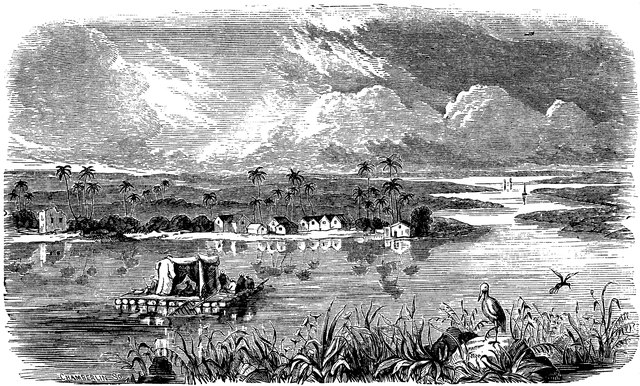
Babylon was an ancient city located on the lower Euphrates river in southern Mesopotamia, within modern-day Hillah, Iraq, about 85 kilometers south of Baghdad.
Set reading age
View for Kids
Easy to read and understand
View for Students
Clear, detailed explanations
View for Scholars
Deep dives and big ideas
Babylon was an ancient city, famous for its incredible buildings and rich history! 🏛️ It was located near the Euphrates River in what is now Hillah, Iraq, about 85 kilometers south of Baghdad. Babylon was known for its people, who developed writing and laws that influenced many cultures. It was a bustling place, filled with merchants, artists, and thinkers! 🌍You may have heard about the "Hanging Gardens," one of the Seven Wonders of the Ancient World, which were believed to exist in Babylon. This city was a center of learning, culture, and power thousands of years ago! 📚
Babylon faced many challenges that led to its decline. ⚔️ It was conquered by the Persians in 539 BC and later fell into ruins after the rise of other empires. However, the legacy of Babylon lives on! Its contributions to writing, law, and culture have shaped the world in incredible ways. 🌟Even today, we study Babylon to understand how human societies evolve. The remnants of Babylon, including the beautiful artifacts and stories, remind us of the creativity and innovation of ancient people. 🏛️ Babylon may be gone, but its spirit continues to inspire us!
Babylon has a history that dates back over 4,000 years! 🎉The city rose to prominence around 1894 BC when King Hammurabi took control. He created one of the world’s first written legal codes, called the Code of Hammurabi, which helped keep the peace. 📜After Hammurabi, other kings like Nebuchadnezzar II expanded the city further. Nebuchadnezzar rebuilt Babylon into a grand city with impressive temples and walls. 🏰The city became a major center of trade, showing everyone how great it was during its peak around 600 BC!
The Hanging Gardens of Babylon are one of the Seven Wonders of the Ancient World! 🌿They were said to be a beautiful place with terraces filled with trees, flowers, and plants—all hanging high above the ground! Imagine a garden that looks like it’s floating! 🌸While no one knows for sure if they were real, stories say that the gardens were built for Nebuchadnezzar II’s wife, who missed her green homeland. They might have used clever watering systems to keep the plants alive. 💦Although the gardens are lost to time, their beauty still captures our imagination!
Religion was super important to the people of Babylon! ✨They worshiped many gods and goddesses, each representing different aspects of life. For example, Marduk was the main god and protector of Babylon! 🌟The Babylonians built large ziggurats, which were pyramid-like structures, as temples to honor their gods. One famous ziggurat is the Etemenanki, dedicated to Marduk. 🏯Festivals, offerings, and rituals were held to please the gods and ensure a good harvest. Religion helped bring the community together, guiding the people through their daily lives.
Babylon was an important cultural hub for many reasons! 🎭The city was known for its advancements in writing, mathematics, and astronomy. The Babylonians created the first calendars and understood the phases of the moon. 🌙They also built epic tales and myths, influencing storytelling and literature. The famous "Epic of Gilgamesh," one of the oldest stories in the world, came from Babylon! 👑The city was a melting pot of different ideas, religions, and cultures, which helped shape the foundation of civilization as we know it today!
Today, Babylon’s ruins are a powerful reminder of our shared history! 🇮🇶 The site is located in modern Iraq, and it draws visitors and scholars from around the world. The discoveries made there help us understand the origins of writing, law, and architecture. The ideas and cultures that began in Babylon have influenced many civilizations since then! 🌍Many Iraqis feel a sense of pride in their ancient heritage, and efforts are being made to preserve and celebrate this incredible past through museums and educational programs. 📚
Many amazing discoveries have been made in Babylon! ⚒️ Archaeologists digging in Iraq have uncovered ancient buildings, clay tablets with cuneiform writing, and even parts of the famous Ishtar Gate! 🐉Other artifacts, like statues and jewelry, tell us about the life of the Babylonians. The discoveries help us learn about their daily lives, culture, and beliefs. 🏺The site of ancient Babylon is a UNESCO World Heritage site, meaning it's very special and important for understanding human history. These ongoing excavations keep revealing secrets from the past!
Babylon was built along the lush banks of the Euphrates River. 🌊The river provided water for farming and trade, making it an ideal spot for a city. Babylon was surrounded by huge walls, some as tall as 25 meters! These walls protected the city from attackers. ⚔️ The architecture of Babylon included massive temples and palaces, made from baked bricks. The famous Ishtar Gate, adorned with blue tiles and dragons, welcomed visitors. 🐉People admired the city's layout, including wide streets and gardens, making it one of the wonders of the ancient world!
Babylon has inspired countless stories in literature and mythology! 📖Writers have been fascinated by its grandeur and mysteries. The "Epic of Gilgamesh," one of the oldest written stories, tells of adventures in ancient Mesopotamia and highlights themes of friendship and heroism. 🌄Babylon also appears in the Bible, where it symbolizes pride and downfall. Through stories, Babylon has become a symbol for great cultures and civilizations that once thrived. Book lovers and historians continue to explore these ancient tales, keeping the spirit of Babylon alive in our stories! ✨


DIY is a creative community where kids draw, build, explore ideas, and share.
No credit card required