Baboon Facts For Kids
Baboons are large, socially complex primates known for their distinctive facial features and strong social structures, often found in troops in various habitats across Africa.
Select reading age

Baboon Facts For Kids
Videos & Quizzesincluded
About this topic
Baboons are fascinating primates that belong to the genus Papio. They live in Africa and parts of the Arabian Peninsula. There are five species of baboons: olive, yellow, chacma, Guinea, and hamadryas. 🐒These animals are highly social and can be found in troops that range from a few individuals to over a hundred. Troops are groups of baboons that stick together for protection, food, and companionship. Baboons are known for their intelligence and can recognize each other's faces, just like humans! 😄They have strong friendships and often groom each other to build bonds.
Explore with ChatDinoKey Points
Baboons are social animals and live in groups called troops.
Currently, several species of baboons are classified as "Least Concern" by the International Union for Conservation of Nature (IUCN).
Baboons have held special places in cultures across Africa and the world.
Baboons usually mate throughout the year, but peak mating times may vary by species.
Baboons are found in a variety of habitats across Africa.
Baboons are known for their long, dog-like snouts and thick fur.
Baboons are omnivores, which means they eat both plants and animals.
Baboons are very expressive and use many sounds to communicate!
Photos of Baboon

Baboon — photo 1

Baboon — photo 2


Baboon — photo 5


Baboon — photo 8
👬 Social Structure
Baboons are social animals and live in groups called troops. 👬👭 A troop can have between 10 to 300 baboons! Each troop has a strict hierarchy or pecking order. This means that some baboons, called alpha males, are at the top, while others are lower down. Alpha males get the best food and mates. Female baboons have an important role too; they usually stay in their birth troop, while males often leave to join other troops. They take care of their young and groom each other, which helps them stay friends and strong together. 🤝
Go deeper📊 Conservation Status
Currently, several species of baboons are classified as "Least Concern" by the International Union for Conservation of Nature (IUCN). 📊However, habitat loss and hunting are threats to their populations. Some areas face deforestation, which makes it harder for baboons to find food. 🏞️ Conservation efforts are essential to protect their habitats and promote coexistence with humans. Organizations work to educate people about baboons and their role in the ecosystem, ensuring that future generations can continue to see these amazing animals in the wild! 🙌
Go deeper🏺 Cultural Significance
Baboons have held special places in cultures across Africa and the world. 🏺In ancient Egypt, they were seen as sacred animals and associated with wisdom. The god Thoth, who was believed to be a scribe and protector of knowledge, was often represented as a baboon. 📜Additionally, baboons have appeared in myths, stories, and art from various cultures. Their intelligence and social behavior inspire many people, making them subjects of research and fascination. Today, baboons are often featured in documentaries, helping more people learn about their incredible lives! 🎥
Go deeper🐾 Reproductive Behavior
Baboons usually mate throughout the year, but peak mating times may vary by species. The female baboon has a unique way to show she’s ready to mate: she will display a bright pink bottom! 🐾After mating, there is a pregnancy period of about 6 months. When the baby is born, it is usually covered in dark fur and clings tightly to its mother's belly. 👶Baboons are caring parents; mothers often groom and protect their babies. Young baboons stay with their mothers for about 1-2 years before becoming more independent and joining the troop. ☀️
Go deeper🌍 Habitat And Distribution
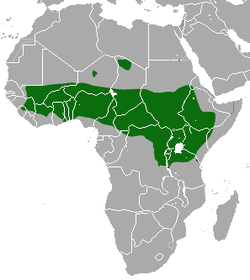
Baboons are found in a variety of habitats across Africa. 🌍They live in grasslands, savannas, and even along rocky hills. For example, the chacma baboon is often seen in South Africa, while the hamadryas baboon can be found in the rocky cliffs of the Arabian Peninsula and parts of Ethiopia. 🏞️ They prefer areas close to water sources like rivers and lakes because they need to drink water regularly. Baboons adapt well to different environments, which helps them thrive in diverse locations!
Go deeper🐕 Physical Characteristics
Baboons are known for their long, dog-like snouts and thick fur. 🐕Their size can vary: for instance, chacma baboons can weigh between 50-100 pounds (22-45 kg)! They have strong limbs and can run quickly, reaching speeds of up to 30 miles per hour (48 km/h). 🏃♂️ The color of their fur ranges from yellowish to olive-green, with some having a shiny coat. Their tails are also quite distinctive; some species have long tails that help with balance while climbing. Plus, baboons have large teeth, which they use for eating and defense! 🦷
Go deeper🌱 Diet And Foraging Behavior
Baboons are omnivores, which means they eat both plants and animals. 🌱🍖 Their diet consists of fruits, seeds, leaves, and nuts, but they also eat insects and small mammals when they can. Baboons are clever foragers and are often seen searching for food in groups. They sometimes use tools, like rocks, to crack open nuts! 🪨When foraging, baboons communicate with each other to share information about food locations, making sure everyone gets their fill. This teamwork is key to their survival and helps them thrive in the wild! 🌳
Go deeper🗣️ Communication And Vocalizations
Baboons are very expressive and use many sounds to communicate! 🗣️ They make a variety of calls, barks, and grunts depending on the situation. For example, they might bark to warn others of a nearby predator, like a lion or leopard. 🦁Baboons also use body language, such as grooming one another, to communicate friendship and reduce stress within the troop. They can even show emotions like happiness or irritation through facial expressions. All these sounds and movements help baboons stay connected and aware of each other’s feelings! 😊
Go deeper