All Articles

Avian Influenza

Avian Influenza Facts For Kids

Avian influenza, also known as avian flu or bird flu, is a disease caused by the influenza A virus, which primarily affects birds, but can sometimes affect mammals including humans.
🎨 Reading age for 6-8
Background blob
Avian Influenza
Facts for Kids!
Image by Cyber cobra (talk), licensed under Creative Commons Attribution-Share Alike 3.0

Do more with AI

Introduction

Avian influenza, often called bird flu 🦅, is a sickness that mainly affects our feathered friends, the birds! It is caused by a special virus known as the influenza A virus. Bird flu can make birds feel very sick, and sometimes it can even spread to other animals, including humans! There are different types of bird flu, and some can be really dangerous. This virus is found all around the world 🌎, and it makes birds like ducks, chickens, and turkeys ill. Scientists work hard to study this virus to keep both birds and people safe!

Images of Avian Influenza

Photos of Avian Influenza
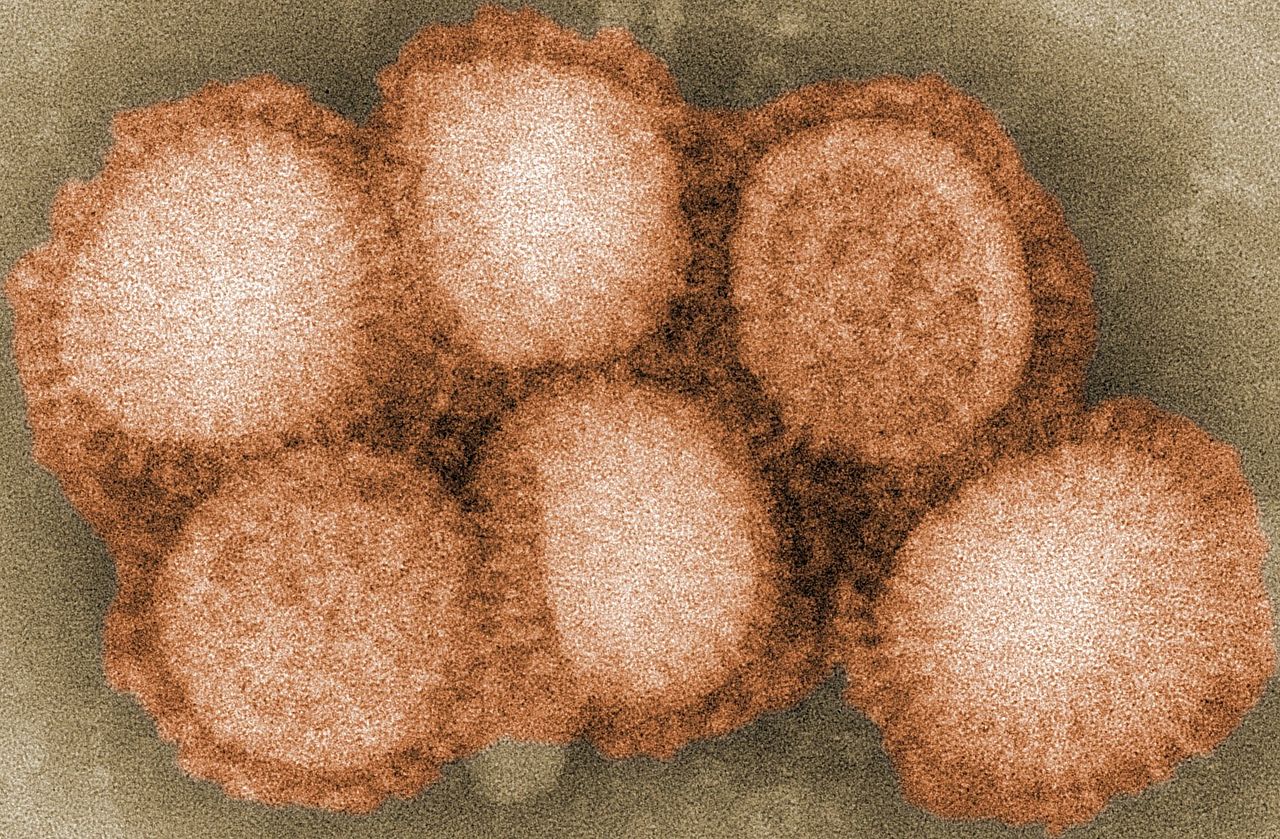
A transmission electron micrograph (TEM) of the reconstructed 1918 pandemic influenza virus. The bottom structure represents membrane debris from the cells used to amplify the virus.[15]

A transmission electron micrograph (TEM) of the reconstructed 1918 pandemic influenza virus. The bottom structure represents membrane debris from the cells used to amplify the virus.[15]

Diagram of influenza nomenclature

Diagram of influenza nomenclature

The eight major flyways used by shorebirds (waders) on migration[41] .mw-parser-output .legend{page-break-inside:avoid;break-inside:avoid-column}.mw-parser-output .legend-color{display:inline-block;min-width:1.25em;height:1.25em;line-height:1.25;margin:1px 0;text-align:center;border:1px solid black;background-color:transparent;color:black}.mw-parser-output .legend-text{} Pacific Mississippi and Amazon West Atlantic East Atlantic Mediterranean and Black Sea West Asia and Africa Central Asia and India East Asia and AustralasiaImage by Pinpin, licensed under Creative Commons Attribution-Share Alike 3.0

The eight major flyways used by shorebirds (waders) on migration[41] .mw-parser-output .legend{page-break-inside:avoid;break-inside:avoid-column}.mw-parser-output .legend-color{display:inline-block;min-width:1.25em;height:1.25em;line-height:1.25;margin:1px 0;text-align:center;border:1px solid black;background-color:transparent;color:black}.mw-parser-output .legend-text{} Pacific Mississippi and Amazon West Atlantic East Atlantic Mediterranean and Black Sea West Asia and Africa Central Asia and India East Asia and Australasia

Sign in Central Park in New York City advising against handling birds

Sign in Central Park in New York City advising against handling birds

Photos of Avian Influenza
Live poultry market in Xining, China, 2008Image by M M (Padmanaba01), licensed under Creative Commons Attribution-Share Alike 2.0

Live poultry market in Xining, China, 2008

Symptoms In Birds

When birds get avian influenza, they might show some strange signs 🐦❗. They could stop eating or drinking, which makes them feel weak and tired. Their feathers might look messy, and they may even have trouble breathing. Sick birds can also have swollen heads and eyes with yellowish-white areas. Some birds might lay fewer eggs or even none at all! If you see these symptoms in birds, it is important to tell an adult so they can help keep the birds safe.

Historical Outbreaks

Bird flu has been around for many years! 🌊📜 One famous outbreak occurred in Hong Kong in 1997, where the H5N1 virus affected chickens and even made people sick. This was the first time scientists found bird flu in humans. Since then, there have been many outbreaks around the world. Another example is the H7N9 outbreak in China in 2013. Thankfully, global efforts have helped control these outbreaks, but scientists continue to study the virus to be ready for any possible future events!

Vaccination Strategies

Vaccinating birds is a great way to keep them healthy 🎉💉! Vaccines help birds build protection against avian influenza. Farmers often give vaccines to their chickens and turkeys to help stop the spread of the virus. Some countries use vaccination programs to protect large groups of birds. This can help prevent outbreaks and keep healthy birds safe! While vaccines work well, it is still essential to monitor birds for sickness carefully. By combining vaccines with good hygiene, we can create a healthy environment for our feathered friends!

Transmission And Spread

Bird flu spreads mostly through contact with sick birds or their droppings 🦢💩. When a healthy bird is near an infected bird, it can catch the virus. The virus can also travel through the air! If birds fly to the same place, like a pond, they can share the flu 🦆🌊. It can even spread through humans if they touch infected birds without washing their hands. Keeping birds away from sick ones helps stop the spread of the virus. It's important to keep bird areas clean and safe!

Impact On Poultry Industry

The poultry industry is all about raising chickens, ducks, and turkeys for food. When bird flu spreads, it can be very bad news 🥚🚫. Farmers might have to take sick birds away to protect the healthy ones. This can lead to fewer eggs and chicken for people to eat. Sometimes, entire farms need to shut down to prevent sickness from spreading. This can cause prices to go up in stores, making it harder for families to buy food. Everyone works together to keep birds healthy so we can keep enjoying yummy meals!

Prevention And Control Measures

To keep bird flu from spreading, there are some smart ways to prevent it! 🛡️ First, washing hands after touching birds or their areas is super important. Also, keeping sick birds away from healthy ones helps a lot! Farmers can use special nets to keep wild birds from mixing with farm birds. If someone sees sick birds, they must report it to the authorities right away. Wearing gloves and masks around sick birds can also protect humans. Together, these measures help keep both birds and people safe!

Types Of Avian Influenza Viruses

There are different types of avian influenza viruses! Some are very mild and don't hurt the birds too much, while others are more dangerous. The dangerous ones are called Highly Pathogenic Avian Influenza (HPAI) viruses. They can cause severe illness and sometimes even death in birds 😢. Some examples of HPAI are H5N1 and H7N9. Less harmful types are called Low Pathogenic Avian Influenza (LPAI) viruses. These can be found in many healthy birds but may cause mild symptoms. Scientists monitor these viruses carefully to keep everyone informed and safe!

Global Surveillance And Reporting

Bird flu is taken very seriously around the world 🌐! Countries have programs to watch for bird flu outbreaks. This is called global surveillance. When birds get sick, scientists report it to health organizations. They track the virus to see how it spreads and if it affects people. Monitoring bird flu helps scientists find patterns and create plans to stop it from spreading. Organizations like the World Organization for Animal Health work with countries to keep everyone informed and ready for any challenges that come with avian influenza!

Legislation And Biosecurity Practices

To keep birds safe, many countries have rules called legislation 🏛️📜. These laws help protect birds from dangerous diseases like avian influenza. Biosecurity practices are ways to keep birds healthy by preventing the virus from spreading. For instance, farmers may need to sanitize their equipment and limit visitors on their farms. There are also rules about reporting sick birds to local authorities. Strong laws and biosecurity practices help support the health of birds and ensure that everyone can enjoy chicken nuggets and eggs without worry! 🍗🍳

Zoonotic Potential And Human Health Risks

Bird flu can sometimes jump from birds to humans, which means it's a zoonotic disease 🌍👩‍⚕️. Scientists worry about strains like H5N1 because they can make people very sick. While the chances of catching bird flu are low, it can happen if someone touches a sick bird or their droppings. Symptoms in humans can be fever, cough, and sore throat. If you think you have been in contact with infected birds, it's important to tell an adult! The more we learn about this virus, the better we can protect ourselves!

Avian Influenza Quiz

Q1
Question 1 of 10

Learn more about Avian Influenza

Ready to create?

Drop Files here
Make

To create a safe space for kid creators worldwide!

Create

Vibe Coding

Kids GPT

All Tools

Kibu

Resources

Worksheets

SafeTube

Blog

FAQ

Account

Pricing

Log-in

Sign-up

Data Deletion

Company

About

Community Guidelines

Privacy Policy

Terms of Service

2025, URSOR LIMITED. All rights reserved. DIY is in no way affiliated with Minecraft™, Mojang, Microsoft, Roblox™ or YouTube. LEGO® is a trademark of the LEGO® Group which does not sponsor, endorse or authorize this website or event. Made with love in San Francisco.