Asthma Facts For Kids
Asthma is a common long-term inflammatory disease of the airways of the lungs, affecting breathing.
Select reading age
Asthma Facts For Kids
Videos & Quizzesincluded
About this topic
Asthma is a health condition that affects the airways in our lungs. 🌬️ It makes it hard for some people to breathe, especially when they are exercising or exposed to certain things. Asthma can be found all over the world, and it affects millions of kids and adults, too! The airways can swell up and get tight, making it difficult for air to flow. The famous doctors, like Dr. Thomas E. Starzl, have helped make progress in understanding asthma. Learning about asthma is essential because it helps us know how to stay healthy! 🏥
Explore with ChatDinoKey Points
There are several types of asthma!
Asthma is like having a little storm in your lungs!
Asthma can be triggered by different things!
Treating asthma can involve different methods!
Living with asthma can be a little tricky, but many kids have fun and stay active!
If someone has asthma, they may experience symptoms like coughing, especially at night or during exercise.
To know if you have asthma, doctors use different methods!
Asthma and allergies often go hand-in-hand!
Managing asthma means taking steps to stay healthy and avoid triggers!
Photos of Asthma
Asthma — photo 1

Asthma — photo 2

An audio speaker emitting sound waves, in the Gnome style

Asthma — photo 4


Salbutamol metered dose inhaler commonly used to treat asthma attacks

Fluticasone propionate metered dose inhaler commonly used for long-term control
![Rates of asthma in 2021[282]](https://upload.wikimedia.org/wikipedia/commons/thumb/8/8d/Asthma_prevalence%2C_OWID.svg/960px-Asthma_prevalence%2C_OWID.svg.png)
Rates of asthma in 2021[282]
🌈 Types Of Asthma
There are several types of asthma! 🌈One common type is allergic asthma, which happens when someone reacts to allergens. Another is exercise-induced asthma, which might happen during sports or heavy activity. Some people have occupational asthma because of irritants in their workplaces. There is also viral-induced asthma that occurs after a cold or flu. Knowing which type of asthma someone has helps doctors provide better treatment!
Go deeper⛈️ What Is Asthma?
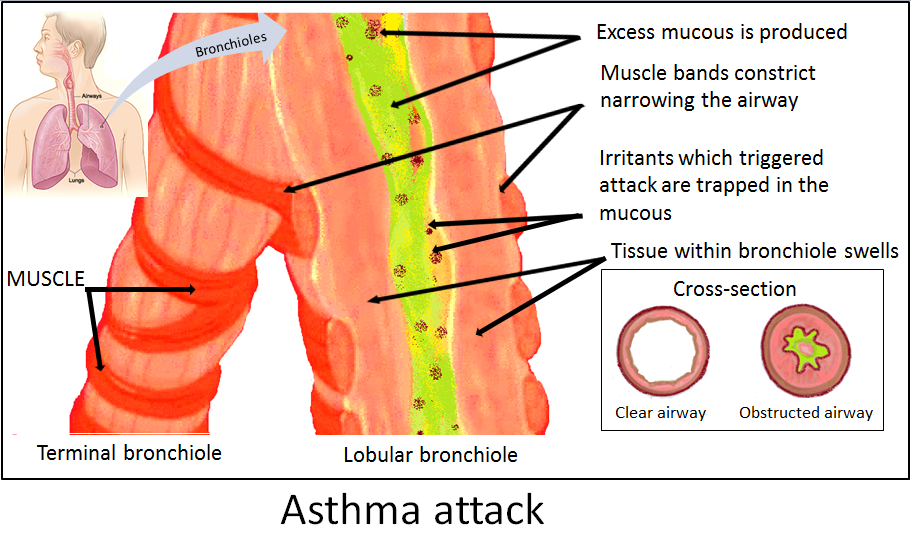
Asthma is like having a little storm in your lungs! ⛈️ It is a long-term condition that makes your airways sensitive. When someone with asthma breathes in dust, pollen, or smoke, their airways can get inflamed (swollen) and produce extra mucus. This causes the person to feel out of breath. Asthma is not contagious, which means you can’t catch it from someone else. People of all ages can have asthma, but it often starts in childhood. 🌈
Go deeper🌟 Causes Of Asthma
Asthma can be triggered by different things! 🌟Some common causes include allergens like pollen from flowers, dust mites, animal dander (tiny particles from pets), and smoke from cigarettes. Other causes may be physical activities, cold air, or even strong smells. In some cases, asthma can run in families, which means it can be passed down from parents to children. Understanding what triggers asthma is important because it helps manage this condition better!
Go deeper💊 Treatment Options
Treating asthma can involve different methods! 💊Doctors may prescribe inhalers, which are small devices that deliver medicine directly to the lungs. There are quick-relief inhalers for emergencies and long-term control inhalers for daily use. Some doctors might also recommend allergy medications or other treatments to help with symptoms. It's important for people with asthma to follow their doctor's advice and take all medicines as prescribed. This can help keep their asthma under control!
Go deeper🏃♂️ Living With Asthma
Living with asthma can be a little tricky, but many kids have fun and stay active! 🏃♂️ Having asthma does not mean you can't play sports or enjoy life. It’s important to inform friends, teachers, and coaches about your asthma so they can help if needed. Kids can think of their inhaler as a “super tool” for breathing! 🌈With proper management and care, kids with asthma can lead happy and healthy lives, just like anyone else!
Go deeper🤒 Symptoms Of Asthma
If someone has asthma, they may experience symptoms like coughing, especially at night or during exercise. 🤒They might also wheeze, which sounds like a whistling noise when breathing. Shortness of breath is common, and some may feel tightness in their chest, like wearing a tight t-shirt! It's essential to talk to an adult if you have these symptoms so they can help. Recognizing these signs early helps people with asthma breathe easier and feel better! 👍
Go deeper🩺 Diagnosis Of Asthma
To know if you have asthma, doctors use different methods! 🩺They usually start by asking questions about your health and family history. Sometimes, they will listen to your breathing using a stethoscope. A common test is called spirometry, which measures how much air you can breathe in and out. This test shows how well your lungs are working. In some cases, they may also do allergy tests. Getting diagnosed helps in finding the right way to manage asthma! 📋
Go deeper🤝 Asthma And Allergies
Asthma and allergies often go hand-in-hand! 🤝Many people with asthma are also allergic to pollen, dust, or pet dander. When allergies are triggered, they can make asthma symptoms worse. It’s essential for children with both conditions to learn what their triggers are. By managing allergies, they can also help control their asthma. Sometimes, doctors may suggest allergy shots or medications to help with both situations! 🌟
Go deeper🌼 Asthma Management And Prevention
Managing asthma means taking steps to stay healthy and avoid triggers! 🌼Kids with asthma should have an asthma action plan created by their doctor. This plan shows what to do during an asthma attack and how to avoid triggers. Keeping a clean environment, staying away from smoke, and using air filters can help. Regular check-ups are also important to make sure everything is going well. Remembering to take daily medicines, if prescribed, helps with asthma management! 👍
Go deeper