Art History Facts For Kids
Art history is the study of how art has evolved over time, examining various artistic movements, cultural influences, and technological impacts that shape how art is made and understood.
Select reading age

Art History Facts For Kids
Videos & Quizzesincluded
About this topic
Art history is the study of how people created art over a long time! 🎨It helps us learn about paintings, sculptures, and different creations all the way back to ancient times. Art tells stories about cultures, emotions, and the world around us. People make art to express feelings and share ideas. This fascinating history starts in places like cave paintings in France, about 36,000 years ago! 🌍By studying art, we can understand how societies have changed and grown, making it a fun way to learn about history!
Explore with ChatDinoKey Points
The very first art came from our early ancestors who lived in caves.
Art has changed a lot over the years!
Contemporary art refers to the art made today!
Art criticism involves understanding and discussing art!
Art is shaped by the cultures of different people!
Many famous artists created remarkable artworks that we still admire today!
Technology has changed how art is made!
Art restoration is important for keeping artworks safe and beautiful!
Museums and galleries are special places that show art to everyone!
Art history is a worldwide story!
Photos of Art History

An conservation technician working on a painting. c. 2010

Giorgio Vasari, Self-portrait c. 1567

Anton von Maron, Portrait of Johann Joachim Winckelmann, 1768
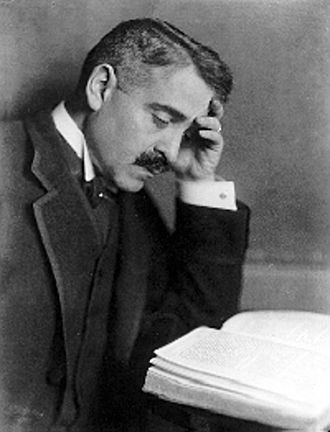
Photographer unknown, Aby Warburg c. 1900
🌌 The Origins Of Art
The very first art came from our early ancestors who lived in caves. 🌌They used natural pigments, like charcoal and ochre, to create beautiful pictures of animals and scenes from their lives. These rock paintings were found in places like Lascaux, France. Over time, people began crafting sculptures from materials such as clay and stone. 🗿Ancient Egyptians painted on walls to tell stories about their gods and pharaohs. Art was important for sharing beliefs and experiences, and it began more than 40,000 years ago!
Go deeper🎉 Major Art Movements
Art has changed a lot over the years! There are different styles, called art movements. 🎉One famous movement is Impressionism, which started in the late 1800s in France. Artists like Claude Monet painted colorful pictures of nature. Another movement is Cubism, created by Pablo Picasso, making objects look like geometric shapes. This began in the early 1900s! 🖼️ Modern art includes many styles, like Abstract art, where artists use colors and shapes to express feelings rather than representing real things. Each movement has unique ideas and ways of seeing the world!
Go deeper🎉 Contemporary Art Trends
Contemporary art refers to the art made today! 🎉Artists use many styles and materials, often blending traditional techniques with new ideas. Some explore themes like identity, technology, and climate change. Installations—art that transforms spaces—combine various elements, engaging the viewer. For example, a recent trend is interactive art, where people can participate and influence the artwork. 🎨Also, artists use everyday materials, like trash, to show people how we can recycle and care for our planet. Contemporary art offers fresh ways to think about our world and express ourselves! 🌎
Go deeper🧐 Art Criticism And Theory
Art criticism involves understanding and discussing art! 🧐Critics share their opinions on what they see and how it makes them feel. They help people appreciate the meaning and techniques behind a piece. Art theories explain why artists create in certain ways and how art affects society. For example, some critics focus on emotions evoked by a painting, while others study the colors and techniques used. 🖌️ Reading and discussing art can help everyone see it from different viewpoints, making it more exciting and meaningful! 📖
Go deeper🌿 Cultural Influences In Art
Art is shaped by the cultures of different people! For instance, Indigenous peoples of North America create beautiful pottery and beadwork that tell stories of their heritage. 🌿In Japan, traditional art is rooted in nature, like the famous woodblock prints called ukiyo-e. 🌸African art often features vibrant colors and patterns, representing communities and ceremonies. Every culture has its own style and meanings, which helps artists communicate their beliefs. This way, we can learn about different peoples and their histories through their artworks! 🌈
Go deeper🎨 Famous Artworks And Artists
Many famous artists created remarkable artworks that we still admire today! 🎨Leonardo da Vinci painted the "Mona Lisa," a mysterious portrait, in the early 1500s. Vincent van Gogh created "Starry Night," a swirling night scene, in 1889. 🌀One of the most famous sculptures is Michelangelo’s "David," made from marble in the 1500s! Modern artists like Banksy, a street artist, are known for their thought-provoking graffiti. Each artist adds their unique voice and ideas to the world of art, making it richer for everyone! 🌟
Go deeper🎬 Impact Of Technology On Art
Technology has changed how art is made! 🎬For example, cameras were invented in the 19th century, allowing artists to capture real-life scenes easily. With the rise of computers, digital art became popular! Artists can now create graphics and animations using software. 🎮Virtual reality (VR) lets you explore 3D art in amazing new ways! 3D printing even allows artists to make real sculptures from digital designs. As technology continues to grow, it influences how artists create, share, and experience art all over the world! 🚀
Go deeper🛠️ Art Restoration And Conservation
Art restoration is important for keeping artworks safe and beautiful! 🛠️ Over time, paintings and sculptures can get damaged by dirt, age, or accidents. Restorers carefully clean and repair these pieces so they can be enjoyed for many years. They use special tools and techniques to make sure the original art stays intact while fixing any damage. 🌟Conservation focuses on preventing future damage, like controlling light and temperature in museums. Thanks to these dedicated people, we can enjoy historic art and learn from it today!
Go deeper🖼️ The Role Of Museums And Galleries
Museums and galleries are special places that show art to everyone! 🖼️ They help you learn about different artists, styles, and cultures. The Louvre in Paris is one of the largest museums, housing the famous "Mona Lisa." 🎨 The Museum of Modern Art (MoMA) in New York City showcases contemporary artists’ works and new ideas! Galleries often host exhibitions to provide a space for local artists to display their creations. By visiting these places, you can appreciate the beauty of art and gain a deeper understanding of its history! 🏛️
Go deeper🌏 Global Perspectives In Art History
Art history is a worldwide story! 🌏Different cultures share their unique perspectives through art. In Africa, artists use clay and textiles to reflect their communities and experiences. In Asia, artists create calligraphy and beautiful ink paintings. Latin American art often features bright colors and expresses cultural heritage. 🌺By studying art from around the globe, we learn about diverse viewpoints and histories. This helps us connect with each other and celebrate our differences, making art a universal language that brings people together! 👫
Go deeper