Arsenic Facts For Kids
Arsenic is a toxic metalloid element used in various applications, including industrial processes and agriculture, known for its potential health risks.
Select reading age
Arsenic Facts For Kids
Videos & Quizzesincluded
About this topic
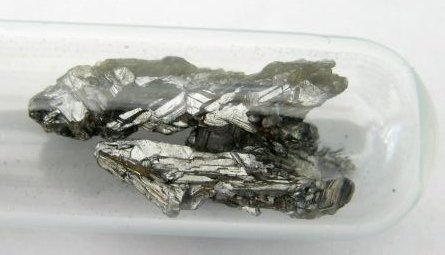
Arsenic is a chemical element with the symbol As and atomic number 33! It is a shiny, silver-gray solid that can be found in nature. 🌍Arsenic is commonly known for being harmful to humans and animals. It can be found in some rocks and minerals, mostly in regions like the Andes in South America and parts of China. Interestingly, arsenic has been known for thousands of years, celebrated in ancient writings! Although it's dangerous in high amounts, arsenic does have some important uses in small doses, especially in industries.
Explore with ChatDinoKey Points
Arsenic is very harmful to human health!
People have known about arsenic since ancient Egypt!
Arsenic is naturally found in the earth!
Arsenic is a metalloid, which means it has properties of both metals and nonmetals!
Arsenic doesn't just affect people; it can harm the environment too!
While arsenic is mostly known as a poison, it has some important uses too!
Governments have made rules to limit arsenic exposure!
Detecting arsenic is crucial to keep environments and humans safe!
Photos of Arsenic

Rhombohedral crystal structure.

Crystal structure common to Sb, AsSb and grey As


Trimethylarsine

A large sample of native arsenic from Sainte-Marie-aux-Mines, France

Arsenic output in 2006[53]

Realgar

Alchemical symbol for arsenic

The arsenic labyrinth, part of Botallack Mine, Cornwall
🚨 Health Effects
Arsenic is very harmful to human health! 🚨Short-term exposure can cause dizziness, headaches, and stomach pain. Long-term exposure can lead to serious diseases, like cancer. Interesting fact: In the 1970s, scientists discovered that many people were getting sick from drinking high-arsenic water. Children are especially at risk because their bodies are still growing! Protecting kids from arsenic is super important, which is why we always have to check our water and food sources. Remember, safe food and clean water are essential for good health! 🍏💧
Go deeper📜 Historical Context
People have known about arsenic since ancient Egypt! 📜They used it in certain medicines, but that wasn't safe. In the 18th century, scientists recognized it as a poison. One famous person who studied arsenic was the chemist Antoine Balard in the 1800s. He helped in discovering its properties! Over time, people learned that arsenic was often found in drinking water in places like Bangladesh and India, leading to health problems. In recent years, scientists have worked hard to reduce arsenic use and help protect people's health worldwide! 🌍
Go deeper🌍 Sources Of Arsenic
Arsenic is naturally found in the earth! 🌍It can be found in minerals, groundwater, and even some foods. Common foods that may contain small amounts of arsenic include rice and fish. Rivers can carry arsenic from rocks into the soil, and in some places, this makes the water unsafe to drink. Many people in Bangladesh face this problem because their drinking water has high levels of arsenic. That's why scientists and governments are working hard to find ways to keep people's water clean and safe. 🥤
Go deeper✨ Chemical Properties
Arsenic is a metalloid, which means it has properties of both metals and nonmetals! ✨It melts at 817°C (1503°F) and boils at 613°C (1135°F). Arsenic can exist in different forms, called allotropes, with the most common being gray arsenic. It's important to know that arsenic forms compounds with other elements, which can be very poisonous. Arsenic can combine with oxygen to create arsenic trioxide, which is extremely toxic. Scientists measure arsenic using tools that can detect very tiny amounts, as even a little can be dangerous! ⚗️
Go deeper🌿 Environmental Impact
Arsenic doesn't just affect people; it can harm the environment too! 🌿When arsenic seeps into the soil and water, it can kill plants and animals. This can upset entire ecosystems, where animals rely on plants for food. Some fish can absorb arsenic from water, making them toxic to eat. Furthermore, when humans mine for arsenic, it can pollute nearby rivers and lakes. That’s why scientists and environmentalists are working hard to clean up contaminated sites and find safe ways to use arsenic. Protecting our environment helps animals and keeps us healthy! 🐟🌳
Go deeper🧪 Uses And Applications
While arsenic is mostly known as a poison, it has some important uses too! 🧪In small amounts, arsenic can be used in electronics, like semiconductors for computers. It's also used to treat certain types of cancer medicines. Interestingly, some types of pressure-treated wood have a tiny bit of arsenic to help it resist bugs and decay! However, because of its dangers, many countries are now switching to safer alternatives for wood treatments. Learning how to use chemical elements safely is important for building a better world! 🔌💻
Go deeper🌍 Regulations And Safety
Governments have made rules to limit arsenic exposure! 🌍The World Health Organization (WHO) says drinking water should have less than 0.01 mg of arsenic per liter to be safe. Countries like the USA and Canada have strict guidelines for food and water safety. They also monitor arsenic levels in drinking water regularly. Schools help educate kids about the importance of safety and preventing arsenic exposure. Remember to always wash fruits and veggies and drink clean, filtered water! Protecting our health is everyone’s job! 👩⚕️👨⚕️
Go deeper🔍 Detection And Measurement
Detecting arsenic is crucial to keep environments and humans safe! 🔍Scientists use tests and tools to measure how much arsenic is in water, food, and soil. One common method is using spectrometers, which can detect tiny amounts of arsenic. Another method is a simple water test that can change colors if arsenic is present. Schools may even use kits to make sure water is safe to drink. Regularly checking for arsenic helps prevent health problems and ensures clean water for everyone! Research and technology keep improving, making it easier to find arsenic when it's hiding! ⚗️
Go deeper