Areca Catechu Facts For Kids
Areca catechu is a tall palm native to the Philippines, cultivated mainly for its areca nuts, which are chewed for their stimulating effects.
Select reading age

Areca Catechu Facts For Kids
Videos & Quizzesincluded
About this topic
Areca catechu, also known as the betel nut palm, is a tall palm tree 🌴 found in tropical regions. It can grow up to 30 meters (about 98 feet) high! This tree produces areca nuts, which are often chewed with betel leaves in many cultures, especially in South and Southeast Asia. Countries like India, Indonesia, and the Philippines 🌏 grow these palms a lot. The nuts are usually harvested once they turn orange or red. Eating areca nuts can be a fun activity in festivals, but they come with good and bad health effects!
Explore with ChatDinoKey Points
Like all plants, areca catechu can face challenges!
As of now, Areca catechu is not considered endangered!
Areca palms play an important role in their environment.
Areca catechu holds a special place in many cultures!
Areca nuts are used in many ways.
Areca catechu thrives in warm, tropical climates.
The areca palm has a tall, slender trunk 🏆 with many green, feathery leaves at the top.
Areca catechu has both benefits and risks!
Cultivating areca catechu is an important job in many tropical countries.
Areca catechu belongs to the Arecaceae family, which is the scientific name for the palm family.
Photos of Areca Catechu

Areca Catechu — photo 1

19th century drawing of Areca catechu

Areca nut garden

Areca catechu farm in Kerala, India

Areca nut at Penang's flag

Areca Catechu — photo 7


🐞 Pests And Diseases
Like all plants, areca catechu can face challenges! 🐞There are pests like the rhinoceros beetle and mealybugs that can harm the palm. These pests can weaken the tree and affect nut production. Diseases such as leaf spot and root rot can also cause problems. Farmers need to keep an eye on their palms and use natural methods, like introducing helpful insects or using organic treatments, to protect them. Taking care of areca palms means they can thrive for many years! 🌿
Go deeper🌍 Conservation Status
As of now, Areca catechu is not considered endangered! 🌍It is widely cultivated and used in many countries. However, sustainable farming practices are super important to keep it healthy in the long run. There are concerns about habitat loss due to deforestation and climate change. 🌡️ By conserving natural habitats and practice responsible farming, we can help protect this wonderful palm and its many benefits for future generations! Let's keep our environment safe and clean! 🌟
Go deeper🌱 Environmental Impact
Areca palms play an important role in their environment. 🌱They provide shade and shelter for birds, insects, and other wildlife. Farmers often grow them alongside other crops, which helps improve soil quality. This is called intercropping! However, if not managed properly, large-scale plantations can lead to deforestation and loss of biodiversity. 🌳It's important for farmers to practice sustainable techniques to make sure areca palms benefit the earth along with humans. Balancing nature is key! 🌼
Go deeper🎉 Cultural Significance
Areca catechu holds a special place in many cultures! In countries like India and Bangladesh, people chew areca nuts with betel leaves during celebrations, marriages, and festivals. 🎉The act of chewing the nut is not just a snack; it's a part of social traditions! Areca nuts are also given as gifts during special occasions. However, in some regions, the nut is believed to have spiritual properties, bringing good luck and protection. 🌟People often share stories and make memories while enjoying this unique treat together!
Go deeper🍃 Uses And Applications
Areca nuts are used in many ways. The most common use is chewing them with betel leaves, which gives a refreshing sensation and a burst of flavor! 🍃Some people also use areca nuts to make traditional drinks or sweets. Additionally, the palm's leaves can be used to make eco-friendly plates and cups because they are biodegradable! In some parts of the world, crushed areca nuts are used in traditional medicines, 🌿while the wood from the palm can be used for construction and crafts.
Go deeper🌴 Habitat And Distribution
Areca catechu thrives in warm, tropical climates. 🌴It is native to the Philippines but can also be found in countries like India, Indonesia, and Sri Lanka. These palms like to grow near rivers and in moist environments with well-drained soil. They prefer areas that receive plenty of sunlight, as they need lots of energy to grow tall and strong! You can find large plantations of areca palms in places like Kerala in India, where locals cultivate them for various uses. 🌏
Go deeper🏆 Physical Characteristics
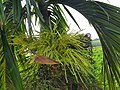
The areca palm has a tall, slender trunk 🏆 with many green, feathery leaves at the top. Its leaves can be up to 2.5 meters (about 8 feet) long! The flowers grow in clusters and are small and yellowish. After pollination, the flowers develop into round fruit, which are known as areca nuts. These nuts are green at first but turn orange or red as they ripen. The tree's trunk can be smooth or rough, and it grows upwards to soak up sunlight. ☀️ This helps it thrive in the jungle!
Go deeper😷 Health Benefits And Risks
Areca catechu has both benefits and risks! Some people believe that chewing areca nuts can improve digestion, increase energy, and lift mood. However, it's important to know that chewing these nuts can also be harmful in the long run! 😷It can lead to mouth and tooth problems, and some studies say it might increase the risk of certain cancers. It's good to be aware of both sides! Always remember to enjoy treats in moderation and keep an eye on what's safe. 🥳
Go deeper🌾 Cultivation And Agriculture
Cultivating areca catechu is an important job in many tropical countries. 🌾Farmers plant young seedlings in rows to create plantations. It usually takes around 5 to 7 years for the trees to start producing nuts. Areca palms need regular watering, especially in dry seasons. Farmers often use mulch and fertilizers to keep the plants healthy. Harvesting the nuts is done by hand, and it can be a fun community activity! After harvesting, the nuts can be processed to be sold in local markets. 💵
Go deeper🌴 Taxonomy And Classification
Areca catechu belongs to the Arecaceae family, which is the scientific name for the palm family. 🌴It was first described by a botanist named Carl Linnaeus in 1753. The genus name "Areca" comes from the Malay word "areca," and "catechu" means it's related to the state of being cut. Within its family, there are many species, but only a few are cultivated for their nuts. Areca catechu is also known as the betel palm. 🌿It is a unique species, important for many local traditions!
Go deeper