Arctostaphylos Uva-ursi Facts For Kids
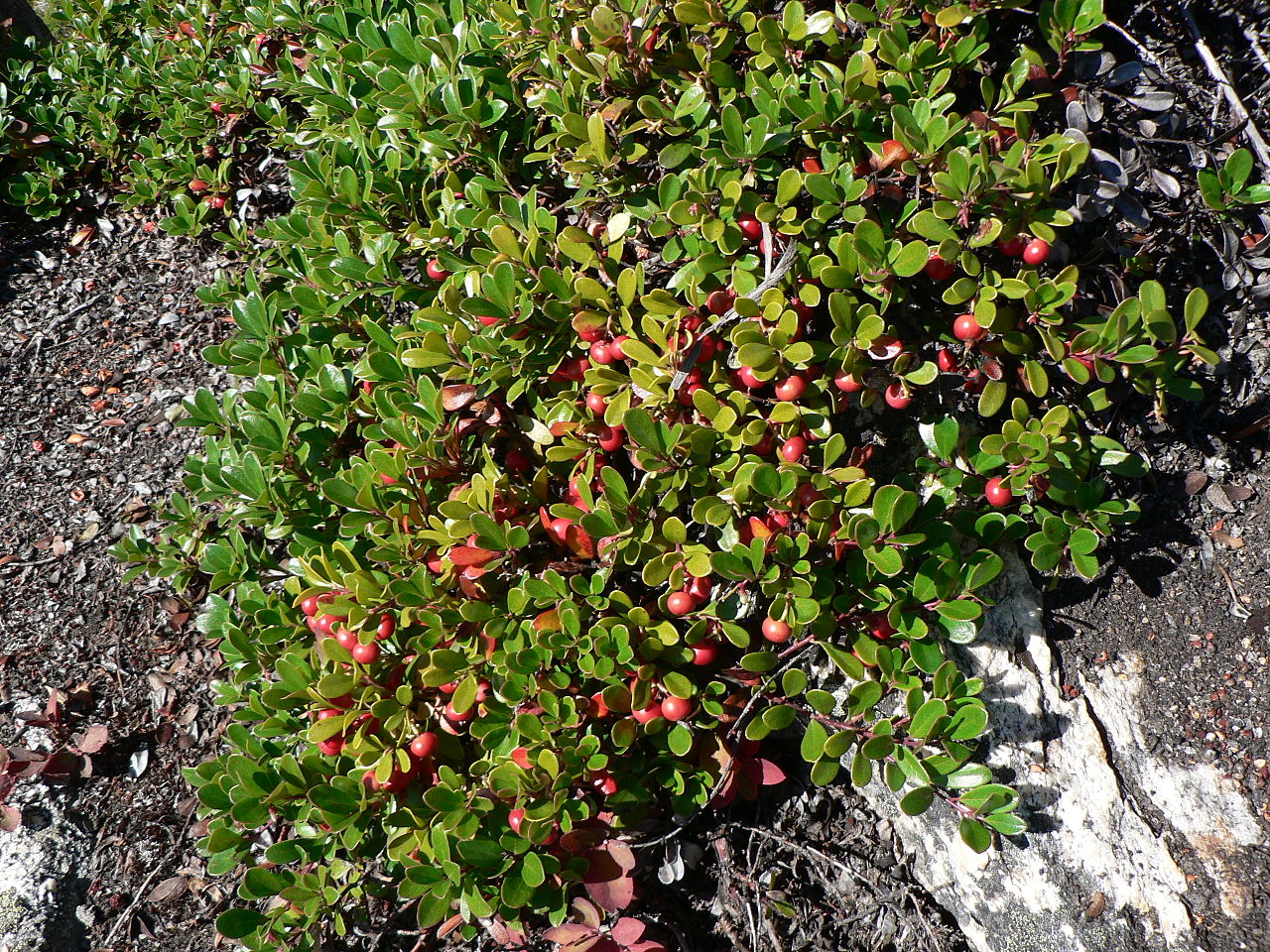
Arctostaphylos uva-ursi, or bearberry, is a hardy evergreen shrub found in circumboreal regions, known for its small flowers and bright red berries.
Select reading age
Arctostaphylos Uva-ursi Facts For Kids
Videos & Quizzesincluded
About this topic
Arctostaphylos uva-ursi, also known as bearberry, is a cool plant! 🌿It belongs to the heath family and grows in the northern parts of the world. You can find it in places like Canada, Alaska, and even parts of Europe and Asia! This plant is often found on sandy or rocky ground, and it has lovely, small red berries that bears adore! 🐻It’s also a low-growing shrub that stays close to the ground, making it special in the plant world. Isn’t it amazing how plants can live in different environments?
Explore with ChatDinoKey Points
Bearberry has some interesting relatives!
Growing bearberry is fun and easy!
Bearberry has a rich cultural history!
Bearberry plays an important role in its ecosystem.
People have found many uses for the bearberry plant!
Bearberry thrives in circumboreal regions of the subarctic Northern Hemisphere.
Bearberry is a small plant that grows low to the ground, usually only 5 to 30 centimeters tall!
Although bearberry is tough, it faces some challenges!
Bearberry is part of the plant family called Ericaceae, which includes many wonderful plants like blueberries and cranberries!
Photos of Arctostaphylos Uva-ursi

Arctostaphylos Uva-ursi — photo 1

Arctostaphylos Uva-ursi — photo 2

Arctostaphylos Uva-ursi — photo 3

Arctostaphylos Uva-ursi — photo 4
🌳 Related Species
Bearberry has some interesting relatives! 🌳Other members of the Arctostaphylos genus include Arctostaphylos manzanita, better known as the manzanita bush, which can be found in California. Also, there are other types of bearberry like the red bearberry and the mountain bearberry! They all share similar characteristics but thrive in different areas. 🌄Each family member has unique traits, yet they all contribute to the exciting diversity of plants!
Go deeper🌼 Cultivation And Care
Growing bearberry is fun and easy! 🌼If you want to try planting it, it likes to be in sunny spots and well-drained soil. It’s a tough little plant that can survive in dry conditions! 🌞To help it grow, water it well after planting, but don’t overwater! Bearberry can also grow from cuttings, making it a good choice for someone new to gardening. Just remember, it likes cooler temperatures, so it’s perfect for many outdoor spaces!
Go deeper✨ Cultural Significance
Bearberry has a rich cultural history! ✨In many Indigenous cultures, the plant is significant due to its medicinal uses and berry harvests. It symbolizes important connections to nature and heritage. In some regions, bearberry is even featured in stories and folklore, often representing resilience and survival in tough conditions. 🌟It also reflects the important relationships between people and plants throughout history. How cool is that?
Go deeper🍂 Ecological Importance
Bearberry plays an important role in its ecosystem. 🍂The plant helps prevent soil erosion by keeping the soil intact with its roots. This is especially valuable on rocky slopes where soil can wash away easily. 🏞️ The berries are a yummy food source for animals like birds and, yes, bears! 🐻Other small creatures, like rodents, also munch on these fruits. This plant helps support various wildlife, so it plays a big part in keeping nature balanced and healthy!
Go deeper🍓 Uses And Applications
People have found many uses for the bearberry plant! 🍓Long ago, Native Americans used its leaves to make tea, which was believed to have healing properties. Today, bearberry leaves are sometimes used in herbal medicine! The berries are edible for humans, but they are often more popular with animals. You may also find bearberry in gardens because it can be a lovely ground cover plant. 🌳It’s even used in landscaping to decorate areas that need a touch of greenery!
Go deeper🌍 Habitat And Distribution
Bearberry thrives in circumboreal regions of the subarctic Northern Hemisphere. 🌍This means you can find it in chilly places, like the Arctic tundra, tundra-covered mountains, and cool forests. It prefers dry, sandy, or well-drained soil and often grows on rocky slopes. You might spot bearberry in areas across Canada, Alaska, Greenland, and parts of Europe like Norway and Sweden. Even more exciting, it can be found at different elevations, making it a true adventurer in nature! 🏔️
Go deeper🌱 Physical Characteristics
Bearberry is a small plant that grows low to the ground, usually only 5 to 30 centimeters tall! 🌱It has thick, leathery leaves that are dark green on top and lighter green underneath. The leaves help the plant save water, which is super important in the harsh environments where it grows. One of the coolest things about bearberry is its small, pinkish-white flowers that bloom in spring! 🌸These adorable flowers turn into bright red berries that are not just tasty; they look fantastic on the plant!
Go deeper🌪️ Threats And Conservation
Although bearberry is tough, it faces some challenges! 🌪️ Habitat loss due to human activities like building or farming can harm this plant’s growth. Climate change also threatens bearberry by changing temperatures and weather patterns. 🌡️ To conserve bearberry, people work to protect its habitats in national parks and nature reserves. Always be kind to plants and avoid picking them in the wild, as this helps keep our ecosystems healthy!
Go deeper🍇 Taxonomy And Classification
Bearberry is part of the plant family called Ericaceae, which includes many wonderful plants like blueberries and cranberries! 🍇The scientific name "Arctostaphylos uva-ursi" has special meaning. "Arctos" means bear in Greek, and "uva-ursi" means bear grape in Latin. So, its name literally means “bear grape” because bears love its fruit! In many categories, it is classified as a deciduous shrub, which means it loses its leaves in the winter. This makes bearberry quite unique among other shrubs!
Go deeper