Antibiotic Facts For Kids
An antibiotic is a type of antimicrobial substance that is effective against bacterial infections in our bodies, helping to fight off harmful bacteria and support our immune system.

About this topic
Key Points
Photos of Antibiotic

Antibiotic — photo 1
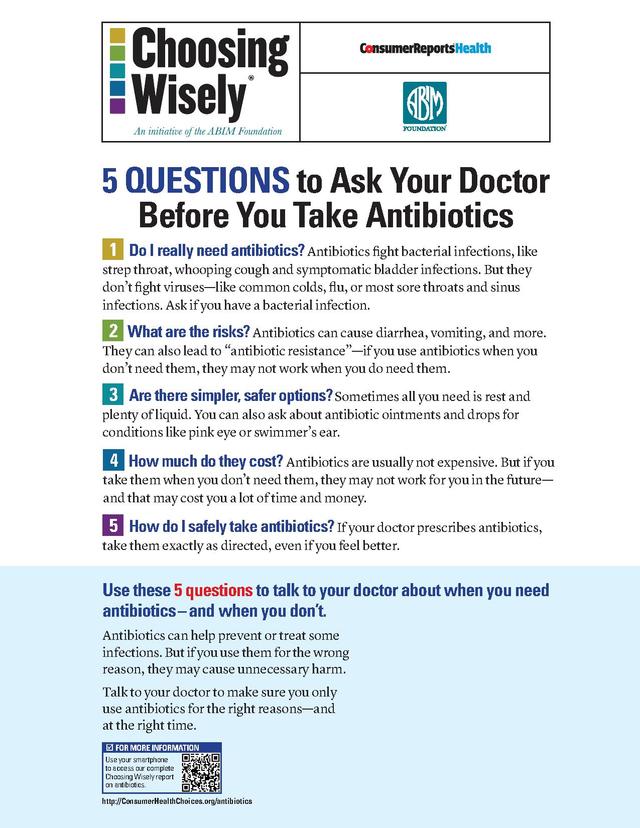
Health advocacy messages such as this one encourage patients to talk with their doctor about safety in using antibiotics.

Scanning electron micrograph of a human neutrophil ingesting methicillin-resistant Staphylococcus aureus (MRSA)

This poster from the US Centers for Disease Control and Prevention "Get Smart" campaign, intended for use in doctors' offices and other healthcare facilities, warns that antibiotics do not work for viral illnesses such as the common cold.

Arsphenamine, also known as salvarsan, discovered in 1907 by Paul Ehrlich

Paul Ehrlich and Sahachiro Hata

Penicillin, discovered by Alexander Fleming in 1928

Antibiotic — photo 8

Antibiotic — photo 9
🦸♂️ How Antibiotics Work
🏰 Types Of Antibiotics
1. Penicillins (like penicillin and amoxicillin) – They break down bacterial walls! 🏰
2. Cephalosporins (like cephalexin) – They are similar to penicillin but fight different bacteria! 🧬
3. Macrolides (like erythromycin) – They stop bacteria from making proteins! 💪
4. Tetracyclines (like doxycycline) – They prevent bacteria from growing! 🚫
Each type targets specific bacteria, helping doctors choose the right medicine for you!
🦠 Antibiotic Resistance
🧪 History Of Antibiotics
🏅 Proper Use Of Antibiotics
1. Always take antibiotics exactly as your doctor tells you. 📅
2. Finish all your medicine, even if you start to feel better! 🌈
3. Never share your antibiotics with others, as they might not need them. 👎
4. Don’t use leftover antibiotics for future illnesses. 🗑️
Following these rules helps keep bacteria from becoming resistant and ensures the antibiotics work effectively!
🐄 Antibiotics In Agriculture
🤢 Side Effects Of Antibiotics
- Nausea: Feeling sick to your stomach. 🤢
- Diarrhea: Going to the bathroom more often. 🚽
- Rashes: Some people might get itchy or red spots on their skin. 🩹
If you experience side effects, it's important to tell an adult or your doctor immediately! Most of the time, the benefits of getting better from an infection outweigh the side effects! ✅
🎤 Common Antibiotic Treatments
- Strep throat: Antibiotics help reduce pain and get rid of the bacteria. 🎤
- Ear infections: They can clear up painful infections in children’s ears. 👂
- Urinary tract infections (UTIs): Antibiotics help treat these uncomfortable infections. 🚻
- Pneumonia: They are used to treat lung infections and help with breathing. 🌬️
It's important to take antibiotics exactly as prescribed by a doctor to help eliminate the infection!
🔍 Future Of Antibiotic Development
- Natural antibiotics: Using plants or fungi that have antibacterial properties. 🍄
- Bacteriophages: Tiny viruses that can kill harmful bacteria without harming our bodies! 🦠
- New combinations of antibiotics: Mixing different antibiotics to create stronger treatments! 🧪
With more discoveries, the future of antibiotics looks promising, helping to keep us all healthy and safe! 🌟