Anthurium Facts For Kids
Anthurium is a genus of around 1,000 species of tropical flowering plants known for their vibrant flowers and air-purifying qualities.
Select reading age

Anthurium Facts For Kids
Videos & Quizzesincluded
About this topic
Anthuriums are colorful, exotic plants! 🌺They belong to the Araceae family and are found in tropical places like Colombia and Ecuador. Did you know there are around 1,000 different types of Anthuriums? These plants have shiny, heart-shaped leaves and come in beautiful colors like red, white, pink, and purple! 🌈Anthuriums are famous for their unique flower shape, which looks like a spade. They often bloom for many months and can make your home or garden feel more vibrant and cheerful! 🎉With the right care, an Anthurium can live for years and be a lovely addition to any space.
Explore with ChatDinoKey Points
Like all plants, Anthuriums can face some unwanted pests!
There are many types of Anthurium plants!
Anthuriums are fantastic for landscaping!
Growing Anthuriums at home can be fun and easy!
Anthuriums have a rich cultural background!
You can grow new Anthuriums from their roots!
Anthuriums are native to tropical rainforests, mainly in Central and South America.
Anthuriums have some cool features!
Notable hybrids of Anthuriums are super interesting!
Photos of Anthurium

Anthurium — photo 1

Anthurium scherzerianum inflorescence

Anthurium andraeanum Princess Amalia Elegance
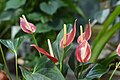
Anthurium — photo 4

Anthurium polyschistum, a juvenile plant
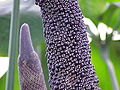
Anthurium — photo 6

Anthurium — photo 7

Anthurium — photo 8

Anthurium.andraeanum1web
🦗 Pests And Diseases
Like all plants, Anthuriums can face some unwanted pests! 🦗Common pests include spider mites, mealybugs, and aphids. They can make your plant look sick and unhappy. If you see tiny webs or sticky leaves, it might be time for some pest control! You can use insecticidal soap or neem oil to help get rid of pests. 🌿Anthuriums can also face diseases like root rot, which happens when their roots sit in too much water. 🚫Always make sure they have good drainage! If you take care of them, they will be healthy and flourish in your home! 🌼✨
Go deeper🌟 Types Of Anthurium
There are many types of Anthurium plants! 🌟Some popular species include the Anthurium andraeanum (also called the Flamingo Flower) known for its bright red spathes, and Anthurium scherzerianum, which has twisty flowers! 🌪️ Another type is Anthurium clarinervium, which has gorgeous heart-shaped leaves and white veins. 🌼You’ll also find Anthurium magnificum, famous for its big leaves and striking appearance. Each type has its own special color and shape, making it fun to collect! 🎨So if you love flowers, you can choose from lots of different and exciting types to grow at home!
Go deeper🌿 Uses In Landscaping
Anthuriums are fantastic for landscaping! 🌿They can brighten up gardens and outdoor spaces because of their vibrant colors. Many people use them in flower beds or as beautiful border plants. 🌼They’re also great in pots for patios, balconies, or entryways. Since they thrive in warm climates, they can be planted outdoors in tropical areas! 🌞Anthuriums can even be mixed with other plants to create stunning arrangements. With their tropical look, they can transform any area into a paradise! 🌺So if you see them in gardens, remember how special they are!
Go deeper🌟 Cultivation And Care
Growing Anthuriums at home can be fun and easy! 🌟They need well-draining soil, like a potting mix with peat moss or perlite. Make sure to water them when the top inch of soil is dry. 💧They love bright, indirect sunlight; too much direct sun can burn their leaves. Using a humidifier or misting the leaves can help them feel cozy! 😌Fertilize every few months during the growing season with a balanced fertilizer. Just remember to check for pests like spider mites! With love and care, your Anthurium can shine beautifully in your home! 🌺✨
Go deeper🎁 Cultural Significance
Anthuriums have a rich cultural background! In many countries, people give them as gifts to celebrate special occasions like birthdays and anniversaries. 🎁In Hawaii, the Anthurium is the state flower and symbolizes hospitality, making it popular in flower arrangements. 🌺It’s often used in decorations for luaus and celebrations! Additionally, some Native American tribes view the plant as a symbol of love and friendship. ❤️ With their beautiful colors and unique shapes, Anthuriums are loved worldwide and bring joy to homes and gardens! 🌎
Go deeper🌱 Propagation Techniques
You can grow new Anthuriums from their roots! 🌱The best way to propagate them is through division. When an Anthurium is well-developed, carefully remove it from its pot. Look for sections with roots; these can be separated and potted into new containers. 🌿Always use clean tools to avoid infections! You can also try growing these plants from seeds, but it's more challenging and takes patience! 🕰️ Make sure to provide enough light and humidity for the new plants to grow healthy. With a little effort, you'll have new Anthurium plants blooming soon! 🌺✨
Go deeper🌎 Habitat And Distribution
Anthuriums are native to tropical rainforests, mainly in Central and South America. 🌎They love warm temperatures, usually between 70°F to 85°F (21°C to 29°C), and high humidity. Areas like the Amazon rainforest provide the perfect environment! 🌲Countries like Colombia, Ecuador, and Costa Rica have many different Anthurium species. These plants often grow on tree trunks or in the soil, making them epiphytes or terrestrial plants. 🌳They enjoy the shade of larger trees, which helps them get the right amount of sunlight without drying out too much! 🌧️ This is why they thrive in cozy indoor corners too!
Go deeper🌿 Botanical Characteristics
Anthuriums have some cool features! 🌿They are unique because they have a colorful "flower" that's actually a spathe, a modified leaf. Inside the spathe is a spike called a spadix, where tiny flowers grow. Anthuriums are very sturdy, with glossy leaves that can be dark green or variegated. They can grow up to 2 feet tall! 🌱Most Anthurium species like warm, humid climates, and they thrive in bright but indirect sunlight, making them perfect houseplants! 🌞Plus, they can clean the air by removing toxins, which means they help keep our environment healthy!
Go deeper🌟 Notable Hybrids And Cultivars
Notable hybrids of Anthuriums are super interesting! 🌟One popular hybrid is the Anthurium ‘Super Nova,’ which boasts unique coral-colored flowers. 🌈Another favorite is the ‘Black Love’ Anthurium, known for its dark purple spathes that almost look black! 🖤These hybrids are often created by crossing different types to produce new colors and shapes. 🌼Some cultivars are specifically bred for their unique features and resilience, making them popular among gardeners. This means you can find special Anthurium plants that are one-of-a-kind and can add charm and beauty to your collection! 🌺✨
Go deeper