All Articles

Ancient Celts

Ancient Celts Facts For Kids

The Celts were a collection of Indo-European people known for their vibrant culture, unique languages, and rich traditions, predominantly located in Europe and parts of Asia from around 800 BC to AD 100.

🎨 Reading age for 6-8
Background blob
Ancient Celts
Ancient Celts
Facts for Kids!
Image by QuartierLatin1968,The Ogre,Dbachmann, licensed under Creative Commons Attribution-Share Alike 3.0

Do more with AI

Introduction

The Celts were a group of ancient people who lived in Europe, especially in countries like Ireland, France, and Britain. 🌍They are famous for their unique cultures, languages, and traditions. The Celts existed about 2,500 years ago and loved storytelling, music, and art! 🎶They had vibrant and colorful clothing, often made from wool. The Celts were skilled in farming, metalworking, and trading with other cultures. They had many tribes, and each had its own customs. Today, people still admire Celtic culture, especially through music and dance, which keeps their spirit alive! 🎉

Images of Ancient Celts

Photos of Ancient CeltsImage by Joshua Jonathan, licensed under Creative Commons Attribution-Share Alike 4.0
The Dying Gaul, an ancient Roman statue at the Capitoline Museums of Rome, Italy.Image by antmoose, licensed under Creative Commons Attribution 2.0

The Dying Gaul, an ancient Roman statue at the Capitoline Museums of Rome, Italy.

La Tène–style ceremonial Agris Helmet, 350 BC, Angoulême city Museum in France.Image by Rosemania, licensed under Creative Commons Attribution 2.0

La Tène–style ceremonial Agris Helmet, 350 BC, Angoulême city Museum in France.

Reconstruction of the Hochdorf Chieftain's Grave, Stuttgart, Germany, c. 530 BC.Image by marsupium photography https://www.flickr.com/people/43405950@N07, licensed under Creative Commons Attribution-Share Alike 2.5

Reconstruction of the Hochdorf Chieftain's Grave, Stuttgart, Germany, c. 530 BC.
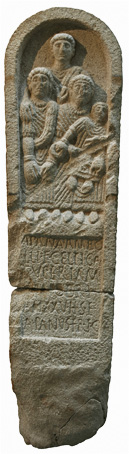
Celto-Latin stele from Galicia, 2nd century, referring to "CELTICA SUPERTAM(arica)".

Celto-Latin stele from Galicia, 2nd century, referring to "CELTICA SUPERTAM(arica)".

Overview of the Hallstatt and La Tène cultures. The core Hallstatt territory (HaC, 800 BC) is shown in solid yellow. The eventual area of Hallstatt influence (by 500 BC, HaD) in light yellow. The core territory of the La Tène culture (450 BC) in solid green. The eventual area of La Tène influence (by 250 BC) in light green. The territories of some major Celtic tribes of the late La Tène period are labelled.Image by Dbachmann, licensed under Creative Commons Attribution-Share Alike 3.0

Overview of the Hallstatt and La Tène cultures. The core Hallstatt territory (HaC, 800 BC) is shown in solid yellow. The eventual area of Hallstatt influence (by 500 BC, HaD) in light yellow. The core territory of the La Tène culture (450 BC) in solid green. The eventual area of La Tène influence (by 250 BC) in light green. The territories of some major Celtic tribes of the late La Tène period are labelled.

A map of Europe in the Bronze Age, showing the Atlantic network in red.Image by Xoil, licensed under Creative Commons Attribution-Share Alike 3.0

A map of Europe in the Bronze Age, showing the Atlantic network in red.
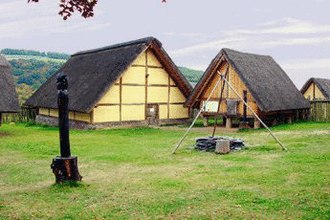
'Keltendorf' in Altburg bei Bundenbach

'Keltendorf' in Altburg bei Bundenbach

Photos of Ancient CeltsImage by Marek Novotnak, licensed under Creative Commons Attribution-Share Alike 3.0

Trade And Economy

The Celts were great traders! 🌍They exchanged goods like metals, textiles, and food with neighboring tribes and cultures. They used rivers and roads to transport items, making trade easier. One large trade center was in the area now known as France, where Celts traded with Romans and others. They also traded pottery, jewelry, and weapons. The Celts enjoyed luxury items and made many beautiful crafts to share. These connections helped them learn from other cultures, leading to new ideas and innovations that shaped their civilizations! 🛒🌟

Art And Craftsmanship

Celtic art is known for its beautiful patterns and designs! 🎨They loved intricate knots, spirals, and animals in their artwork. Many ancient artifacts showcase their talent, including jewelry, pottery, and weaponry. The Celts were skilled metalworkers and created stunning gold and silver items. 🪙They also used natural materials like wood and bone to craft everyday tools. Their art often carried special meanings, telling stories of their gods and legends. You can still see Celtic influences in modern art and design, celebrating their creativity that continues to inspire today! 🌈

Origins And Migration

The Celts first appeared around 1,200 BCE in Central Europe, mainly in regions that are now Austria and Switzerland. 🗺️ From there, they began to spread out to many parts of Europe, including Ireland, France, and the British Isles. One of their biggest migrations happened around 500 BCE. Many historians believe they moved due to population growth and the search for fertile lands to farm. 🌾Some Celts even traveled to areas near the Black Sea in Anatolia (modern-day Turkey)! Their movement created a vast network of Celtic tribes across Europe, where they shared languages and traditions. 🌍✨

Religion And Mythology

The Celts were deeply spiritual, worshipping many gods and goddesses. 🌌They believed in a rich mythology filled with magical creatures and brave heroes. One famous hero is Cú Chulainn, who protects his people and battles fierce enemies. The Celts celebrated festivals like Samhain, which marked the end of the harvest and the beginning of winter. 🎃They also honored the sun and the moon, believing they were powerful forces. Druids were special priests that guided the people in their beliefs, offering wisdom and conducting rituals, making religion a vital part of Celtic life! 🔮

Iron Age Technology And Warfare

The Celts lived during the Iron Age, a time when they mastered iron tools and weapons. ⚔️ They made strong swords, shields, and farming equipment. Iron farming tools improved their harvests, allowing them to grow more food. The Celts were also skilled in building forts called "hillforts" for protection during battles. 🏰Their warriors used chariots, which made them fierce fighters on the battlefield! The Celts often organized raids against neighboring tribes or empires, showcasing their warrior spirit along with bravery and strategy. This made them both respected and feared throughout ancient Europe. 💥

Celtic Influence On Modern Culture

Today, Celtic influence is everywhere! 🎉In music, you can hear traditional Celtic tunes played on fiddles and flutes. Traditional Irish dances, like river dancing, are famous around the world! Celtic designs inspired many tattoos and artworks. 🌊Many places like towns in Ireland and Scotland have Celtic names and stories that are still celebrated. Festivals celebrating Celtic culture draw people together to enjoy foods, crafts, and music! Learning about the Celts can help us appreciate our shared history and how it influences our lives even today! 🎶✨

Celtic Languages And Writing Systems

Celtic languages are some of the oldest in Europe! 🌟Today, we know six main Celtic languages: Irish, Scottish Gaelic, Welsh, Breton, Cornish, and Manx. They all come from the same family of languages. Ancient Celts used a writing system called Ogham, which used lines and notches carved into stones. Some Ogham stones can still be found in Ireland and Britain! 🪨These languages have influenced many words in English today, especially in place names like “Wales” and “Galway.” Learning about these languages helps us understand the Celtic people even better! 📚

Legacy And Archaeological Discoveries

The legacy of the Celts can be seen in numerous archaeological discoveries. 🏺Thousands of artifacts, such as jewelry, tools, and pottery, have been found in places like Ireland, England, and France. One remarkable site is Stonehenge, believed to be connected to ancient Celtic beliefs! Archaeologists continue to uncover burial mounds and hillforts, providing clues about their lifestyles. These discoveries help us learn about their art, daily lives, and how they interacted with other cultures. By studying the Celts, we can appreciate the rich tapestry of European history! 🗺️💎

Major Historical Events And Conflicts

Celts faced many challenges throughout their history, especially with the Romans! 🏺One famous event is when Julius Caesar invaded Gaul (modern-day France) around 58 BCE. The Celtic tribe of the Helvetii, among others, fought fiercely for their land. The Romans admired Celtic bravery but also wanted to conquer their territories. Many battles were fought, leading to the decline of Celtic power. Despite these conflicts, some Celtic people resisted, maintaining their traditions and community spirit despite the changes brought by new rulers! ⚔️🏆

Social Structure And Tribal Organization

The Celtic society was organized into tribes, each led by a chieftain. 🛡️ These tribes were often made up of clans that lived close together. Families worked hard on farms and in workshops. The Celts also had warriors who defended their lands and raided neighboring tribes. They would meet in councils to make important decisions. The warriors wore decorated armor and were heroes in their communities. 🏺Women held significant roles too! They could own land, run businesses, and even be warriors. The cooperation between families and clans made Celtic communities strong and united! 💪

Ancient Celts Quiz

Q1
Question 1 of 10

Learn more about Ancient Celts

Ready to create?

Drop Files here
Make

To create a safe space for kid creators worldwide!

Create

Vibe Coding

Kids GPT

All Tools

Kibu

Resources

Worksheets

SafeTube

Blog

FAQ

Account

Pricing

Log-in

Sign-up

Data Deletion

Company

About

Community Guidelines

Privacy Policy

Terms of Service

2025, URSOR LIMITED. All rights reserved. DIY is in no way affiliated with Minecraft™, Mojang, Microsoft, Roblox™ or YouTube. LEGO® is a trademark of the LEGO® Group which does not sponsor, endorse or authorize this website or event. Made with love in San Francisco.