Anchovy Facts For Kids
Anchovies are small, nutrient-dense fish often used in cooking for their unique flavor and health benefits.
Select reading age
Anchovy Facts For Kids
Videos & Quizzesincluded
About this topic
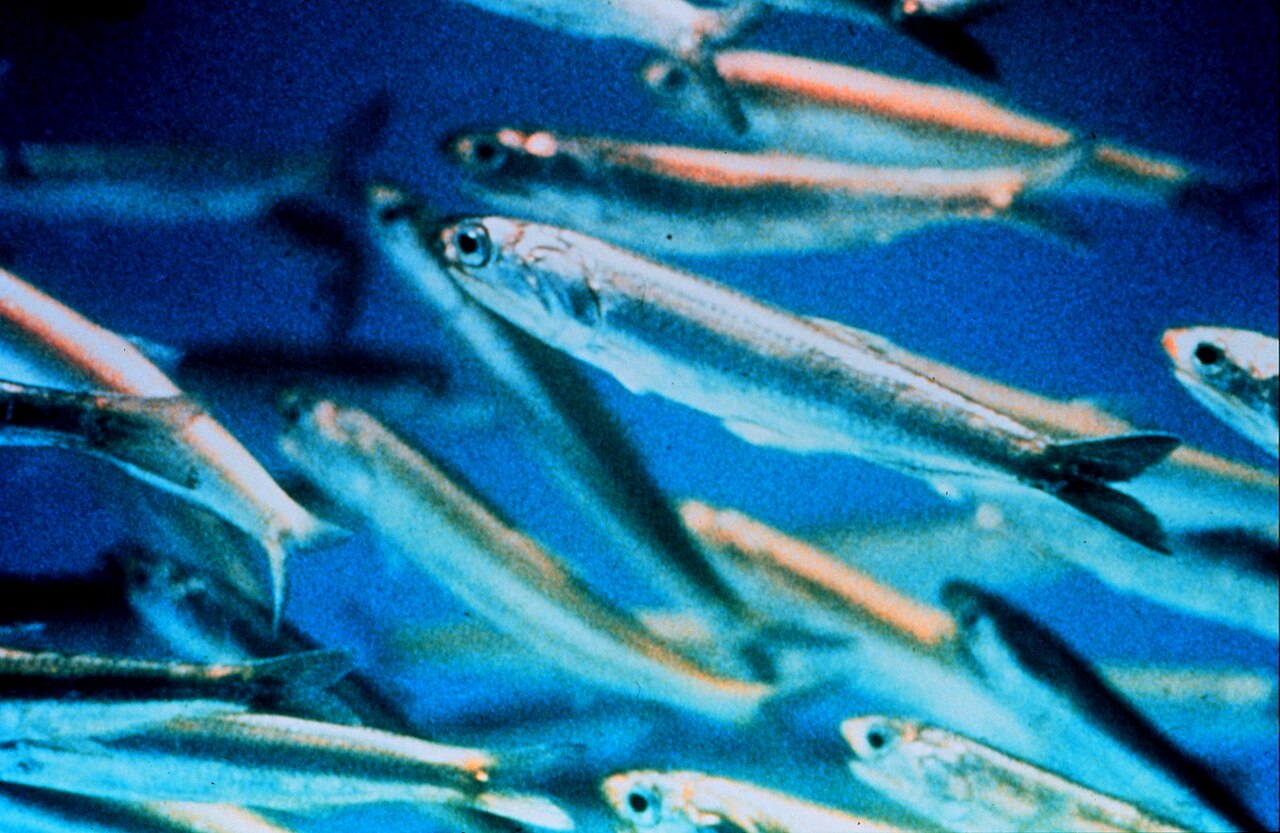
Anchovies are small fish that live in oceans around the world. 🎣They belong to the Engraulidae family and are usually about 2 to 8 inches long. The most common type is the European anchovy, found in the Mediterranean Sea! 🌊These little fish are known for their strong and salty flavor, which makes them popular in foods like pizza and Caesar salad. Anchovies are often packed in oil or salt, making them a tasty topping for many dishes. Did you know? These fish can swim in schools, which means they stick together in groups! 🐟
Explore with ChatDinoKey Points
Anchovies are a staple in many cuisines around the world.
Anchovies are not just delicious; they are also very nutritious!
Fishing for anchovies can be fun and is usually done with nets!
Currently, some species of anchovies face challenges due to overfishing and habitat loss.
Anchovies have a rich history in many cultures!
Anchovies play an important role in the ocean ecosystem.
Anchovies live in warm coastal areas of the world’s oceans.
Anchovies have a slender body and a silver stripe along their sides.
Photos of Anchovy

Life restoration of the extinct "saber-toothed anchovy" Monosmilus

European anchovy, Engraulis encrasicolus


Peruvian anchoveta (E. ringens), one of the most commercially important fish species

Still Life with Anchovies, 1972, Antonio Sicurezza
🍕 Culinary Uses
Anchovies are a staple in many cuisines around the world. 🍕In Italy, they're used in dishes like pasta, pizza, and sauces. People love their strong, salty flavor! 🧂In Asia, anchovies are often made into fish sauce, which adds a unique taste to soups and stir-fries. 🌏You can also find anchovy paste in tubes, which is easy to use in recipes. Many chefs say that anchovies can make dishes tastier without being the main ingredient! So, don’t be afraid to try them! 🥗
Go deeper🥗 Nutritional Value
Anchovies are not just delicious; they are also very nutritious! 🥗These little fish are a great source of protein, which helps our bodies grow strong! They also contain healthy fats, omega-3 fatty acids, that are good for our hearts and brains. 🧠Anchovies are rich in vitamins like Vitamin D and Vitamin B12, which help keep our bones healthy and our bodies energized! Just two small servings can give you the benefits of calcium, iron, and selenium too! 🌈Eating anchovies can help your body stay strong and healthy!
Go deeper🎣 Fishing Techniques
Fishing for anchovies can be fun and is usually done with nets! 🎣Fishermen use large nets called "seine nets" to catch schools of anchovies close to the shore. Sometimes they also use small boats with special traps! 🌊In some places, people catch anchovies by hand during festivals! Those who fish for anchovies must know the best times and places for catching them, as they tend to swim near the surface, usually early in the morning. 🌅
Go deeper🌍 Conservation Status
Currently, some species of anchovies face challenges due to overfishing and habitat loss. 🌍The European anchovy is considered a "vulnerable" species, which means it needs protection to prevent extinction. 🌿Organizations are working hard to help manage fish populations and promote sustainable fishing practices. By using eco-friendly techniques and protecting the waters where anchovies live, we can help ensure that these little fish thrive for generations to come! Let's all do our part! 🌱
Go deeper🎭 Cultural Significance
Anchovies have a rich history in many cultures! 🎭In ancient Rome, people loved eating anchovies and even made fish sauces from them! Traditional Mediterranean recipes, like tapenade, include anchovies for a pop of flavor! 🍽️ In Japan, people enjoy dried anchovies as snacks. In Italy, it's believed that having anchovies on your pizza brings good luck! 🍀Many children grow up eating anchovies in their family dishes or at restaurants. It shows how food can bring families and cultures together! 👫
Go deeper🐟 Ecological Importance
Anchovies play an important role in the ocean ecosystem. 🐟They are a vital food source for many larger fish, birds, and marine mammals. 🌊When schools of anchovies swim together, they help keep the ocean balanced. Because they eat plankton, they help control its population, ensuring that no single species takes over. 🌍By being part of the food chain, anchovies contribute to the health of our oceans. Protecting their habitats is essential to maintaining the biodiversity of marine life! 🐬
Go deeper🌊 Habitat And Distribution
Anchovies live in warm coastal areas of the world’s oceans. 🌊You can find them in places like the Atlantic, Pacific, and Indian Oceans. In the United States, they are commonly caught off the coast of California! 🏖️ These fish prefer shallow waters where they can find plenty of plankton to eat. They usually stay near the surface of the water, swimming in large schools. 🐠During spawning season, anchovies move to deeper waters to lay their eggs.
Go deeper🏊♂️ Biology And Classification
Anchovies have a slender body and a silver stripe along their sides. 🏊♂️ Scientists classify them under the phylum Chordata, which means they have a backbone! The family Engraulidae includes about 17 different species of anchovies. 🌟One of the most famous scientists who studied fish was Carl Linnaeus, who named many species in the 1700s! Anchovies have a special ability to communicate using sounds, and their keen sense of smell helps them find food, which is mostly tiny plankton. 🌍
Go deeper