Anacaona Facts For Kids
Anacaona was a revered Taino cacique known for her leadership, resistance to Spanish colonization, and cultural contributions in the late 15th century.
Select reading age

Anacaona Facts For Kids
Videos & Quizzesincluded
About this topic
Anacaona was a brave Taíno leader born around 1470 on the island of Hispañola, which is now made up of Haiti and the Dominican Republic. 🏝The Taíno people were the island's first inhabitants. Anacaona was known for her intelligence and courage and played a big role in her community. She is often remembered as a symbol of strength and resistance against the Spanish colonizers. 🌟Her name means "golden flower" in the Taíno language, which shows how precious she was to her people!
Explore with ChatDinoKey Points
Anacaona grew up in a time when the Taíno people lived peacefully in villages, farming, fishing, and celebrating their culture.
As Cacique of Higüey, Anacaona ruled over many Taíno communities in the area.
Anacaona was a skilled leader and strategist in the Taíno society.
Anacaona fiercely resisted Spanish colonization.
Anacaona's bravery left a lasting impact on history.
Anacaona's life has inspired many artists and writers.
Today, Anacaona is celebrated in various ways!
Anacaona is often compared to other indigenous leaders, such as Tecumseh and Sitting Bull from North America.
Photos of Anacaona

Massacre of the queen and her subjects, by Joos van Winghe, from A Short Account of the Destruction of the Indies by Bartolomé de las Casas.
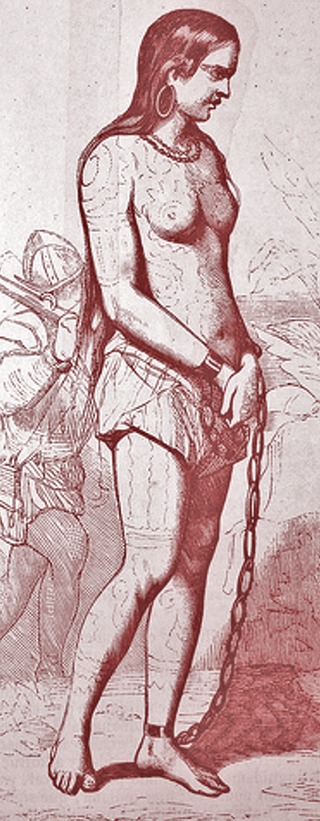
Anacaona in chains, from A History of the Life and Voyages of Christopher Columbus by Washington Irving


Illustration depicting the Battle of Vega Real, during which Anacona's husband, Caonabo, was captured
🌾 Early Life
Anacaona grew up in a time when the Taíno people lived peacefully in villages, farming, fishing, and celebrating their culture. 🌾She was born into a respected family; her brother was a powerful Cacique (chief). As a child, Anacaona learned about Taíno traditions, storytelling, and the importance of nature. 🌳When she became an adult, she married another important Cacique named Caonabo, making her even more influential in Taíno society. Her education and experiences prepared her for a crucial role in her people's lives during difficult times.
Go deeper🏡 Cacique Of Higüey
As Cacique of Higüey, Anacaona ruled over many Taíno communities in the area. 🏡She was known for her wisdom and empathy, caring for her people's needs. Anacaona built strong alliances with other tribes and sought to maintain peace despite the growing presence of Spanish explorers. However, she was also aware of the dangers posed by the Spanish, who wanted to take over her land. ⚔️ Anacaona communicated with fellow native leaders to prepare for any conflicts, working to protect her people from the threatening colonizers.
Go deeper🌺 Role In Taino Society
Anacaona was a skilled leader and strategist in the Taíno society. 🌺After her brother's death, she became the Cacique of Higüey, which is located in the present-day Dominican Republic. She managed the resources of her people, organized festivals, and led her community through challenges. Anacaona also helped to keep the Taíno culture alive through music and dance. 🎶Her leadership was vital in inspiring her people to unite and resist against the incoming Spanish colonizers in the late 15th century.
Go deeper💪 Resistance Against Colonization
Anacaona fiercely resisted Spanish colonization. 💪When the Spanish, led by Christopher Columbus and later Diego Velázquez, demanded gold and resources, she and her people stood strong. Anacaona used her intelligence to negotiate, but tensions rose. In 1492, settlers began taking land from the Taíno. In 1503, Anacaona finally decided to fight for her people's freedom, organizing brave warriors to protect their homes. 🏹Unfortunately, the might of the Spanish was overwhelming, and Anacaona faced many challenges during this tough time.
Go deeper🌍 Legacy And Historical Significance
Anacaona's bravery left a lasting impact on history. 🌍She is remembered not just as a Cacique of the Taíno but also as a symbol of resistance against oppression. Many view her as a warrior who fought for her people's rights and culture. Anacaona's story teaches us about the importance of standing up for what is right and protecting our heritage. 🦋Today, we remember her contributions through history books and educational programs that celebrate indigenous leaders worldwide.
Go deeper🎨 Cultural Impact In Literature And Arts
Anacaona's life has inspired many artists and writers. 🎨Books, poems, and plays honor her courage and leadership. Some authors highlight her story to show how important it is to honor indigenous voices and cultures. For example, young readers might find stories featuring Anacaona in children's literature that illustrate her strength and wisdom. 📚Artists often create paintings depicting her as a hero, showcasing her beauty and influence in Taíno society, ensuring that her legacy lives on through art!
Go deeper🎉 Modern Interpretations And Representations
Today, Anacaona is celebrated in various ways! 🎉Many schools teach children about her life and contributions. In art and pop culture, she appears in movies and performances that highlight her strength. 🎭Some organizations support indigenous rights, drawing inspiration from her story. Through these modern interpretations, people of today learn about Anacaona’s values of courage, hope, and community, spreading her legacy and showing new generations the importance of protecting cultures around the world! 🌎
Go deeper🌄 Comparative Analysis With Other Indigenous Leaders
Anacaona is often compared to other indigenous leaders, such as Tecumseh and Sitting Bull from North America. 🌄Like them, she fought to protect her land, culture, and people from colonization. However, each leader had to face unique challenges depending on their geographic location and historical context. Anacaona's leadership style emphasized diplomacy and strength, just like Tecumseh, while Sitting Bull focused on fierce resistance. 🤝Each of these leaders stands out for their bravery and dedication to their communities.
Go deeper