Alumina Facts For Kids
Alumina is a versatile material made of aluminum oxide, known for its hardness, thermal stability, and extensive use in ceramics, abrasives, and more.
Select reading age
Alumina Facts For Kids
Videos & Quizzesincluded
About this topic
Alumina, also known as aluminum oxide, is a special material made from aluminum. 🌟It's a white powder and is often found in rocks called bauxite, which is mined in places like Australia and Guinea. Did you know that alumina is super strong and can resist heat? 🔥This makes it very useful for many things! People use alumina in making tiles, ceramics, and even special glasses. It's also important in the process of creating aluminum metal! So, next time you see something made of aluminum, remember that alumina is a key part of it! 🏗️
Explore with ChatDinoKey Points
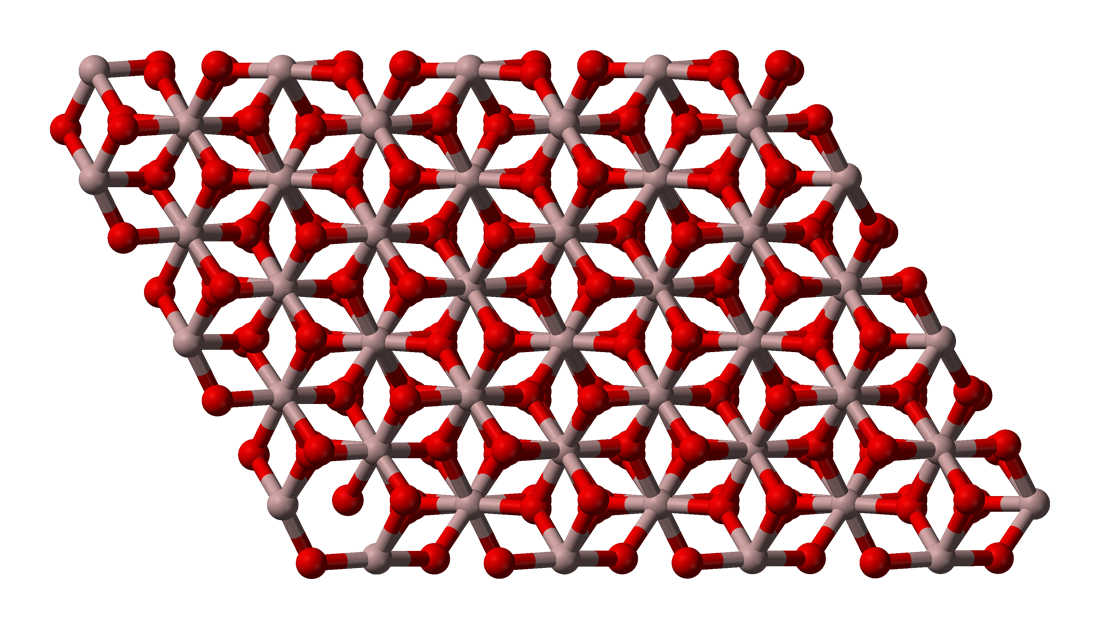
Alumina is a chemical compound with the formula Al₂O₃, which means it has two aluminum (Al) atoms and three oxygen (O) atoms.
You might not see it right away, but alumina is around you every day!
Alumina is used in many amazing ways!
The production process of alumina involves several steps!
Alumina has some interesting chemical properties!
Producing alumina can have an impact on the environment.
Did you know that alumina is found in rubies and sapphires?
Scientists are always looking for new uses for alumina!
When we compare alumina with other materials, it shines!
Photos of Alumina


Aluminium oxide in its powdered form

Corundum from Brazil, size about 2×3 cm.

Aluminium oxide output in 2005

Aluminium residue from a '50s vintage ice cream scoop.
🌈 What Is Alumina?
Alumina is a chemical compound with the formula Al₂O₃, which means it has two aluminum (Al) atoms and three oxygen (O) atoms. 🌈It appears as a white powder and can also form crystals! Alumina is naturally found in many minerals. The process to extract alumina from its ore, bauxite, is called Bayer process. 🌍It’s super important for making aluminum metal, which is used in many everyday items like cans and airplane parts. It doesn’t mix easily with water, making it very stable. Isn’t that cool? 🌟
Go deeper🌈 Alumina In Daily Life
You might not see it right away, but alumina is around you every day! 🌈From the cans we drink soda from to the tiles on our floors, it plays a significant role. It's used in cookware because it can handle high heat! 🍳Did you know that alumina is also in some toothpaste to help make it smooth? Additionally, it's used in beauty products for its soothing properties. When you visit a dental office, alumina also helps make crowns and fillings. So, every time you munch your favorite snack from an aluminum foil, you are using alumina! 🍪
Go deeper🌟 Applications Of Alumina
Alumina is used in many amazing ways! 🌟For example, it’s found in ceramics, which are used to make tiles and dishes! It’s also an important ingredient in aluminum production. Furthermore, alumina is used to create abrasives, like sandpaper, which helps smooth surfaces. 💼In the electronics world, it’s used to make insulators, which keep electricity from escaping. And don’t forget about its use in dental products! Yep, alumina helps create strong dental ceramics. There are endless possibilities when it comes to alumina! 🌈
Go deeper🌍 Alumina Production Process
The production process of alumina involves several steps! 🌍First, bauxite ore is mined and crushed. Then, it's mixed with a strong chemical called sodium hydroxide in a big tank, creating a slurry. This step is called the Bayer Process! 📦The mixture is heated to remove impurities, and then involves filtering to separate the alumina. The final step involves drying and heating the alumina powder to make it pure and ready for use. This journey takes about 6-10 hours! 🚀It’s interesting to know how much work goes into making materials we use every day!
Go deeper🧪 Chemical Properties Of Alumina
Alumina has some interesting chemical properties! 🧪For example, it is quite hard and has a high melting point of about 2,072°C (3,762°F)! So it's great for things that need to resist heat. 🔥Alumina is also an insulator, which means it doesn’t let electricity pass through easily. This is why it helps keep electronics safe. Additionally, it can react with acids and bases, making it very versatile in science and industry. Overall, these properties make alumina a superhero in the world of materials! 💪
Go deeper😢 Environmental Impact Of Alumina
Producing alumina can have an impact on the environment. 😢Mining bauxite affects nature because it requires large open-pit mines. This can harm plants and animals living nearby. 🌱Moreover, the Bayer Process creates waste called red mud, which can be harmful if not managed carefully. However, companies are now working to reduce these effects by recycling water and finding safer ways to dispose of waste. 🌊It’s essential to take care of our planet while using materials like alumina. We all must help protect the Earth! 🌏
Go deeper💎 Interesting Facts About Alumina
Did you know that alumina is found in rubies and sapphires? 💎These beautiful gemstones are actually aluminum oxide with a little bit of color added! Another cool fact is that alumina can be used to make super-tough sandpaper, making it perfect for crafting! 🎨When alumina is heated, it gets a shiny, glass-like appearance. This is because it forms aluminum metal when melted! Also, about 90% of the alumina produced today is transformed into aluminum! How surprising is that? ⚡️ It’s truly a fascinating material!
Go deeper🦾 Future Trends In Alumina Research
Scientists are always looking for new uses for alumina! 🦾Researchers are exploring how to improve the production process to make it more eco-friendly. 🌿They're also finding ways to use alumina in energy storage, like batteries, and advances in electronics. In addition, some are investigating its use in biomedicine, like artificial joints. 🤖As technology and understanding grow, alumina will likely play a big role in innovations we can't even imagine yet! So keep an eye out—alumina has a bright future ahead! 🌟
Go deeper✨ Comparative Analysis With Other Materials
When we compare alumina with other materials, it shines! ✨For instance, it's much stronger than glass but lighter than steel, making it great for construction. 🏗️ In comparison to ceramic materials, it is often tougher and more heat-resistant. Alumina is also more affordable than diamond, which is known for its strength! 💎These unique properties make alumina a popular choice for industries, from manufacturing to technology. So, while many materials have special traits, alumina stands out for its versatility and reliability! 🔥
Go deeper