Aloe Facts For Kids
Aloe is a genus containing over 650 species of flowering succulent plants known for their water-storing leaves and healing properties.
Select reading age
Aloe Facts For Kids
Videos & Quizzesincluded
About this topic
Aloe is a special type of plant known for its juicy leaves and beautiful flowers! 🌺There are over 650 types of Aloe around the world. One of the most famous types is Aloe vera, which can grow in places like Africa and the Canary Islands. These plants can live in hot, sunny areas and are often used for healing and health benefits. Isn't that amazing? Many people keep Aloe plants at home because they are easy to take care of and look really cool! 🌞🪴
Explore with ChatDinoKey Points
Just like any plant, Aloe can have pesky pests!
Did you know Aloe vera is also good for your health?
Aloe plants have been significant to many cultures for thousands of years!
While there are over 650 species, some are more famous than others!
Aloe is used in many products we see today!
Aloe belongs to the family Asphodelaceae.
Aloe plants are mostly found in warm, dry places like Africa, Madagascar, and the Arabian Peninsula.
Aloe plants are known for their thick, fleshy leaves that store water.
Growing Aloe is easy and fun!
Aloe has been used for a long time in traditional medicine.
Photos of Aloe

Succulent plants, such as this aloe, store water in their enlarged fleshy leaves, stems, or roots, as shown in this split aloe leaf. This allows them to survive in arid environments.

Spikes on an Aloe Vera houseplant

Multiple Aloe species with a variety of growth forms. UCLA Botanical Garden
![Depiction of Aloe, labeled in Greek "ΑΛΟΗ" (Aloë) from the Juliana Anicia Codex, a copy, written in Constantinople in 515 AD, of Dioscorides' 1st century AD work.[22]](https://upload.wikimedia.org/wikipedia/commons/thumb/2/20/Aloe%2C_Juliana_Anicia_Codex.jpg/960px-Aloe%2C_Juliana_Anicia_Codex.jpg)
Depiction of Aloe, labeled in Greek "ΑΛΟΗ" (Aloë) from the Juliana Anicia Codex, a copy, written in Constantinople in 515 AD, of Dioscorides' 1st century AD work.[22]

Aloe — photo 5

Aloe — photo 7

Aloe — photo 8

🐜 Pests And Diseases
Just like any plant, Aloe can have pesky pests! 🐜Common ones include aphids, mealybugs, and spider mites. These tiny bugs can suck the juice from the leaves, making the plant weak. If you see tiny bugs, it's important to tell an adult! They can help you remove them with a gentle spray of water or insect soap. 🌊Aloe plants can also get root rot if overwatered, so it’s crucial to check the soil. Keeping your Aloe healthy means watching for these issues!
Go deeper🌟 Nutritional Benefits
Did you know Aloe vera is also good for your health? The gel inside the leaves is packed with vitamins A, C, and E! 🌟Aloe juice is often consumed as a drink and is said to help with digestion and boost your immune system. However, it's essential to only eat Aloe that's meant for consumption (like Aloe vera), as some types can be toxic! Always ask an adult before trying something new! 🍹
Go deeper👸 Cultural Significance
Aloe plants have been significant to many cultures for thousands of years! In ancient Egypt, Aloe was called the "plant of immortality" and was used to make special ointments for the skin. 👸Pharaohs would have this plant around their tombs to keep them vibrant in the afterlife. Different cultures, like the Native Americans, have also used Aloe for healing and wellness. Today, many people regard Aloe as a symbol of health and beauty! 🌟
Go deeper🌳 Common Species Of Aloe
While there are over 650 species, some are more famous than others! The most well-known is Aloe vera, but there is also Aloe arborescens, which can grow into a big shrub! 🌳Another type is Aloe ferox, known for its tall flower spikes and medicinal properties. You might see Aloe brevifolia, which is great for small gardens and rocks! 🌵Each species has its own unique looks and benefits, but they all share that juicy, healing gel inside their leaves!
Go deeper🧴 Aloe In Modern Products
Aloe is used in many products we see today! You can find Aloe vera in lotions, creams, and even shampoos! 🧴It helps keep your skin soft and smooth, and it’s popular for soothing after sunburns! 🌞You might also see Aloe in drinks labeled as “aloevera juice.” Companies love using this plant because it's natural and good for your health! Isn't it neat how something so simple can be found in so many products we use every day? 🌼
Go deeper🌷 Botanical Classification
Aloe belongs to the family Asphodelaceae. This means it is related to other plants like lilies! 🌷Scientists use a system to name plants called "binomial nomenclature." Aloe vera, for example, has this name: Aloe vera L. The "L" means Carl Linnaeus, the scientist who first named it! Aloe plants can thrive in dry, desert-like environments, and they come in various sizes and colors, from green to blue-grey. 🌈They need sunlight and well-drained soil to grow well!
Go deeper🌍 Habitat And Distribution
Aloe plants are mostly found in warm, dry places like Africa, Madagascar, and the Arabian Peninsula. 🌍For example, Aloe vera is native to the Arabian Peninsula but is now grown all over the world! These plants love sunshine and can tolerate drought, which is why you can often find them in gardens and homes. 🏡In cold areas, gardeners sometimes grow Aloe plants indoors to keep them safe from frost. This helps the Aloe thrive all year round!
Go deeper💧 Physical Characteristics
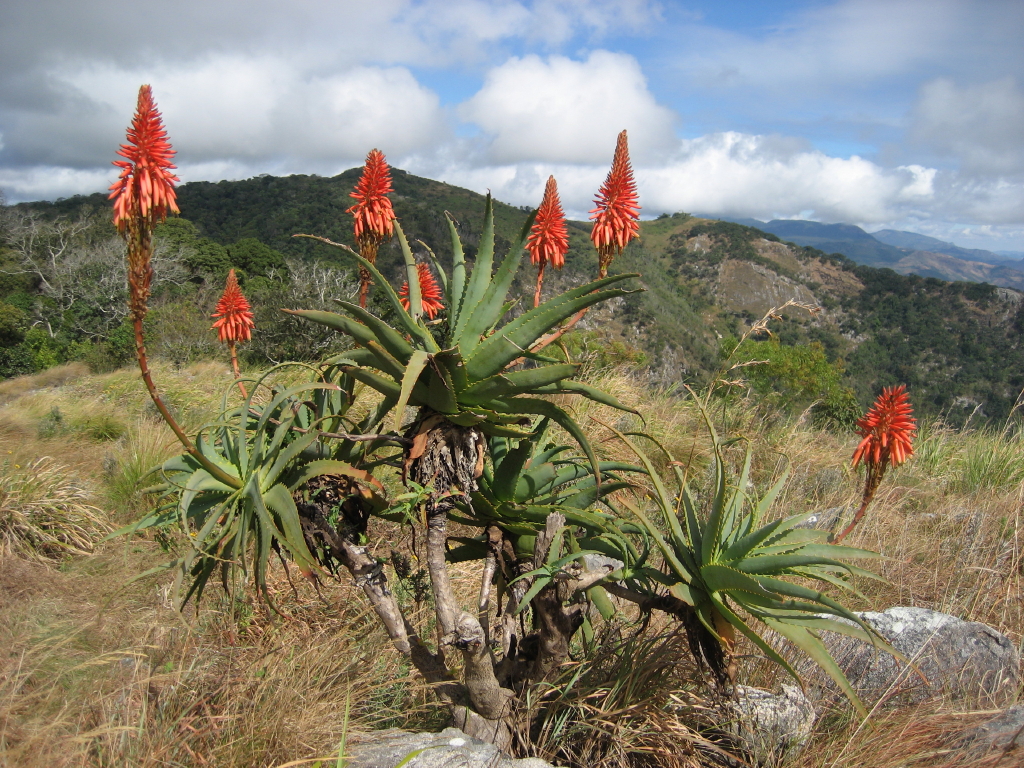
Aloe plants are known for their thick, fleshy leaves that store water. 💧These leaves can have sharp edges and can grow up to 3 feet long! Aloe vera plants have pointed leaves that are usually green, and some even have cool white speckles. When they bloom, they produce tall flower spikes with clusters of colorful, tubular flowers. 🌼Depending on the species, these flowers can be red, orange, or yellow! When you cut an Aloe leaf, a clear gel comes out, which is often used for skin care.
Go deeper🌱 Aloe Cultivation And Care
Growing Aloe is easy and fun! 🌱First, you need to plant it in well-draining soil, like cactus mix. Make sure it gets plenty of sunlight—at least 6 hours a day! If you're taking care of Aloe indoors, place it by a sunny window. 🪟Water the plant once every 2-3 weeks, letting the soil dry out in-between. Avoid overwatering, as Aloe plants do not like soggy feet! 🌧️ With proper care, your Aloe will thrive and produce lots of beautiful leaves!
Go deeper🏖️ Uses In Traditional Medicine
Aloe has been used for a long time in traditional medicine. People have used Aloe vera gel to help with burns, cuts, and even sunburns! 🏖️ The gel is soothing and can help skin heal faster. 🌿In some cultures, Aloe juice is consumed for digestive health. It can help with tummy troubles! Always remember to consult an adult or a doctor before using Aloe for health that way, to ensure it's safe for you!
Go deeper